Breakthrough in Catalyst Stability
Researchers have unveiled a new catalyst architecture designed for low-temperature hydrogen fuel cells, demonstrating remarkable durability by retaining 85% of its initial performance after 150,000 operational cycles. This development addresses one of the key challenges in fuel cell technology: the degradation of catalysts over time, which has limited the lifespan and commercial viability of hydrogen fuel cells.
The catalyst, developed by a team of scientists, is specifically engineered to withstand the harsh conditions inside a fuel cell, where repeated start-stop cycles and fluctuating loads can cause material fatigue. By maintaining high performance over an extended number of cycles, this new catalyst could significantly extend the operational life of fuel cells, making them more practical for applications ranging from vehicles to stationary power generation.
Addressing the Durability Challenge
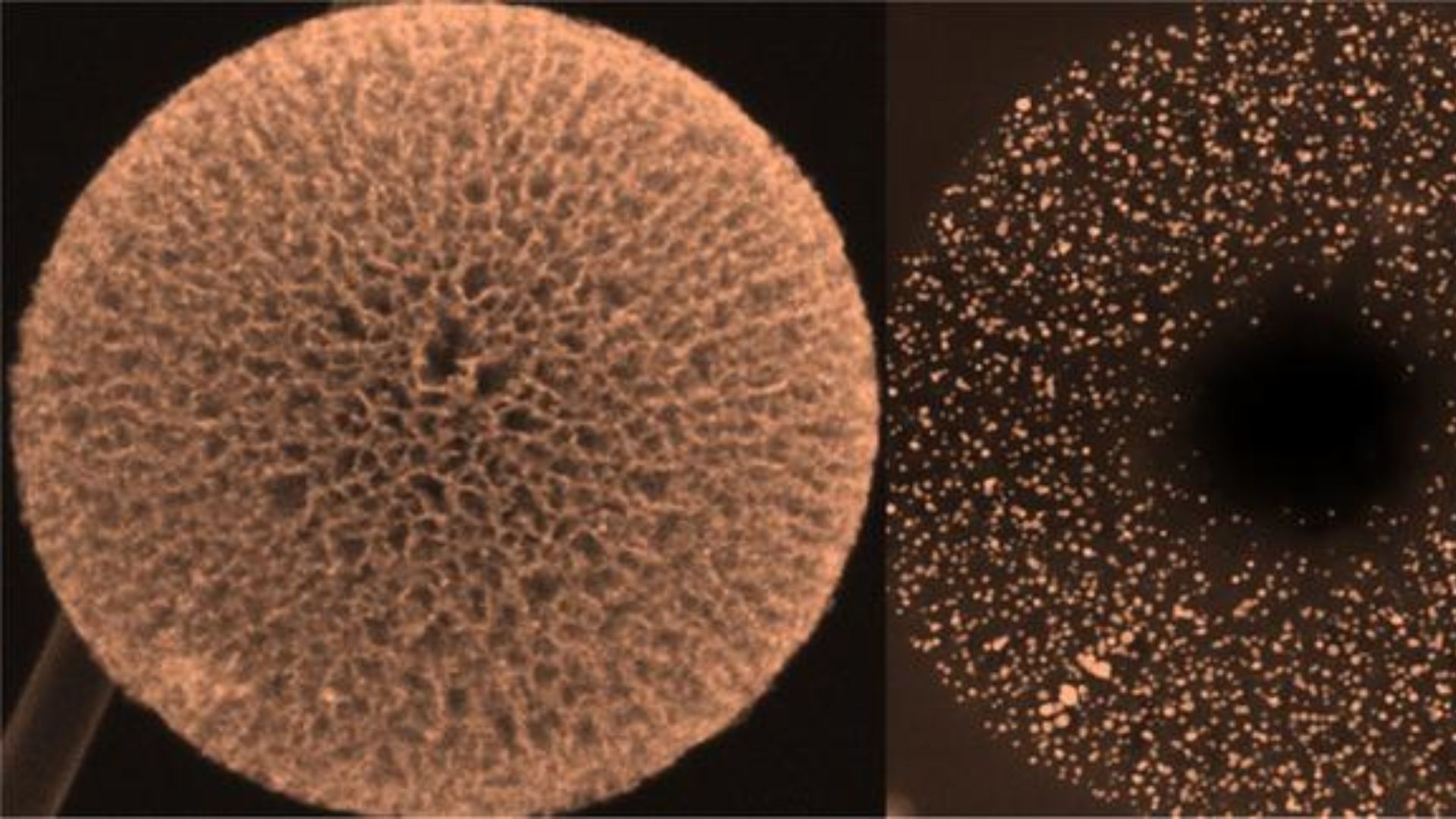
Traditional fuel cell catalysts, often based on platinum, suffer from degradation due to particle growth, dissolution, and carbon support corrosion. These issues lead to a gradual loss of electrochemical surface area and catalytic activity, reducing efficiency and power output. The new catalyst architecture aims to mitigate these degradation mechanisms through innovative structural design and material composition.
While the exact details of the catalyst's composition and structure are not fully disclosed in the available information, the reported performance retention after 150,000 cycles suggests a significant improvement over conventional catalysts. For context, typical automotive fuel cell stacks are expected to last around 5,000 to 10,000 hours, with performance degradation being a major factor in their end-of-life. A catalyst that can endure 150,000 cycles without substantial loss could enable fuel cells to last much longer, reducing maintenance costs and improving overall economics.

Implications for Hydrogen Fuel Cell Adoption
The advancement comes at a time when hydrogen fuel cells are increasingly seen as a key technology for decarbonizing transportation and heavy industry. Fuel cells offer high energy density and fast refueling times compared to batteries, making them attractive for long-haul trucks, buses, trains, and even marine vessels. However, the high cost of platinum and the limited durability of fuel cell components have been major barriers to widespread adoption.

By improving catalyst stability, this new development could lower the total cost of ownership for fuel cell systems. Longer-lasting catalysts mean fewer replacements and less downtime, which is critical for commercial fleet operators. Additionally, if the catalyst allows for a reduction in platinum loading without sacrificing performance, it could directly reduce the cost of fuel cell stacks, making them more competitive with internal combustion engines and battery-electric systems.
Potential Applications and Future Research
The new catalyst is designed for low-temperature hydrogen fuel cells, which operate at temperatures around 60-80°C. These are the most common type of fuel cells for automotive and portable applications. The ability to maintain performance over 150,000 cycles could enable fuel cells to be used in more demanding applications, such as heavy-duty trucks that accumulate high mileage over their lifetime.
Future research will likely focus on scaling up the production of this catalyst, ensuring its cost-effectiveness, and integrating it into full-scale fuel cell stacks. Additionally, researchers may explore whether the same architectural principles can be applied to other types of fuel cells, such as those operating at higher temperatures or using alternative fuels like methanol.
Conclusion
The development of a catalyst that retains 85% performance after 150,000 cycles marks a significant step forward in hydrogen fuel cell technology. While many challenges remain in the widespread deployment of hydrogen as an energy carrier, improvements in catalyst durability bring us closer to a future where fuel cells can reliably power vehicles and provide clean energy. As research continues, this breakthrough could play a pivotal role in accelerating the transition to a hydrogen economy.
This article is based on reporting by Interesting Engineering. Read the original article.
Originally published on interestingengineering.com