Introduction
In a significant step for nuclear innovation, Deep Fission has received safety approval from the U.S. Department of Energy (DOE) to proceed with a commercial pilot of its underground nuclear reactor. The reactor, which will be situated one mile beneath the Earth's surface, leverages the immense pressure and stability of deep geology to enhance safety and efficiency. This approval marks a pivotal moment for the company and the broader nuclear industry, which has long sought designs that address public concerns about safety and waste.
How Deep Fission Works
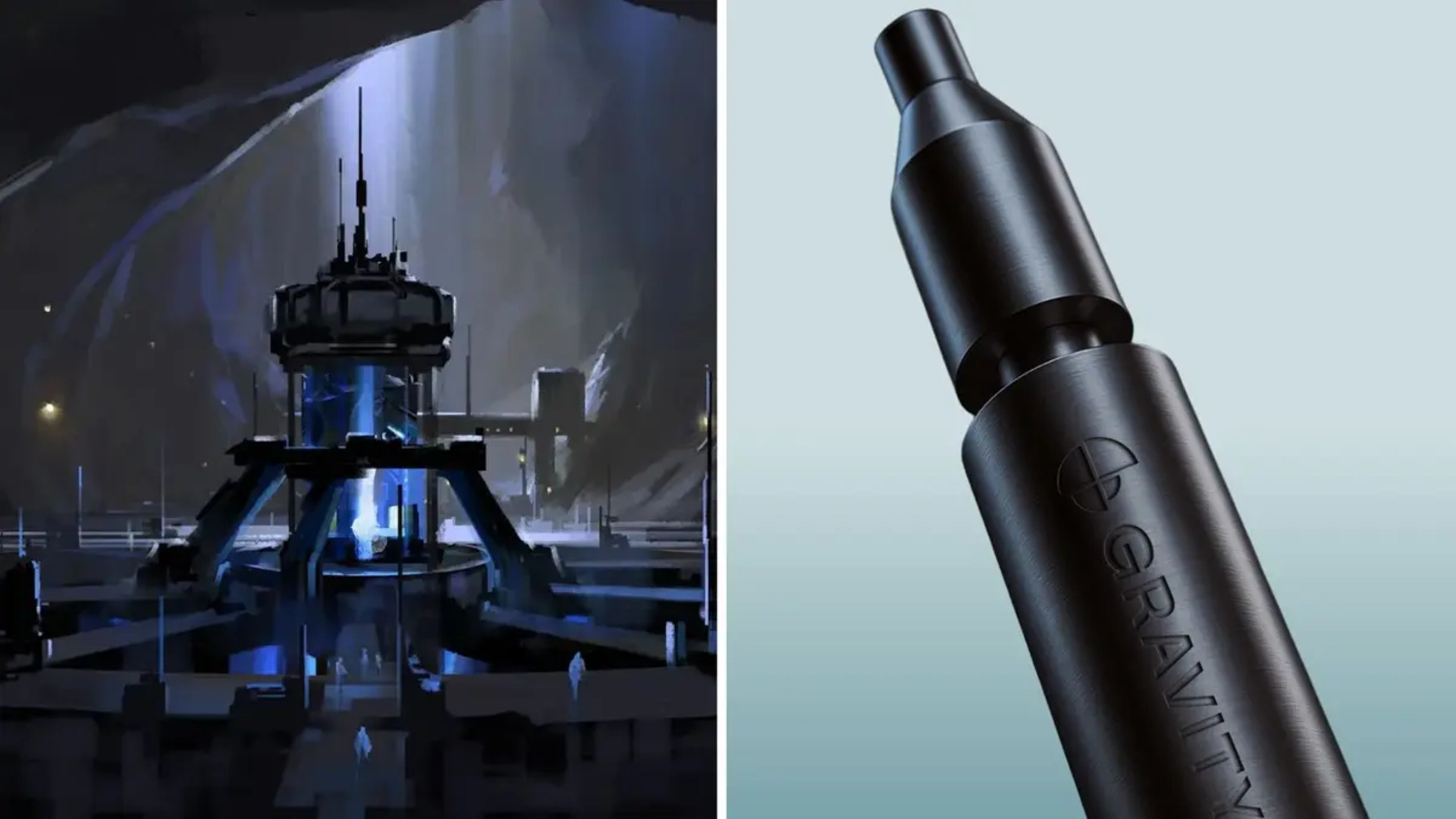
Deep Fission's concept is elegantly simple: place a small nuclear reactor in a deep borehole, where the surrounding rock provides natural containment and cooling. At one mile deep, the pressure is about 1,600 times atmospheric pressure, which allows the reactor to operate at higher temperatures without boiling water, thus increasing thermal efficiency. The design uses a conventional pressurized water reactor (PWR) core, but instead of a massive containment structure, it relies on the Earth itself. The reactor is lowered into a 2.5-kilometer-deep hole, and the overburden pressure ensures that any accident would be contained underground, eliminating the risk of a Chernobyl-style release.

DOE Approval and Pilot Plans
The DOE's safety approval is a critical regulatory milestone. It validates the safety case for the deep borehole concept, which includes multiple redundant barriers and passive safety features. With this approval, Deep Fission can now move forward with a commercial pilot. The pilot will demonstrate the technology at a smaller scale, generating up to 50 megawatts of electricity, enough to power about 50,000 homes. The company plans to partner with a utility to integrate the pilot into the grid, providing a real-world test of the technology's reliability and economics.
Regulatory Significance
This approval is notable because it is one of the first for a non-traditional reactor design under the DOE's new regulatory framework for advanced reactors. It signals that the DOE is open to innovative approaches that could reduce costs and improve safety. The deep borehole design could potentially be sited in many locations, including near population centers, because the safety case does not require large exclusion zones.
Potential Benefits
The deep underground approach offers several advantages over conventional reactors. First, safety is inherent: the geology provides containment, and the high pressure prevents coolant loss. Second, the design is modular and scalable, allowing for factory fabrication and rapid deployment. Third, it reduces the footprint and cost of construction, as there is no need for a massive containment dome. Fourth, waste management is simplified: the reactor can be left in place at the end of its life, with the borehole sealed, providing permanent disposal.
Moreover, the high pressure and temperature could enable higher efficiency, potentially lowering the cost of electricity. The company estimates that the levelized cost of electricity could be competitive with natural gas, making nuclear power a viable option for baseload generation without carbon emissions.
Challenges and Considerations
Despite the promise, there are challenges. Drilling a one-mile-deep hole is expensive and requires specialized equipment. The pilot will need to demonstrate that the drilling and installation can be done reliably and cost-effectively. Additionally, while the DOE approval is a major step, the Nuclear Regulatory Commission (NRC) will also need to license the design. The NRC's process for advanced reactors is still evolving, and this could introduce delays.
Another consideration is public perception. While the deep underground design may alleviate some fears, there may still be concerns about long-term safety and the potential for groundwater contamination. Deep Fission will need to engage with communities and regulators to build trust.
Industry Context
This development comes at a time when nuclear energy is gaining renewed attention as a clean and reliable power source. Many countries are looking to extend the life of existing plants and build new ones to meet climate goals. However, the industry has struggled with cost overruns and construction delays. Innovations like Deep Fission could help overcome these hurdles by offering a simpler, safer, and more affordable path.
The DOE's approval is also a signal to other startups in the nuclear space that the regulatory environment is becoming more receptive. Several companies are working on small modular reactors (SMRs) and microreactors, and the deep borehole concept is one of the most radical departures from traditional designs.
Next Steps
Deep Fission will now focus on securing funding and partners for the pilot. The company plans to begin site selection and drilling in the next couple of years, with the goal of having the pilot operational by the early 2030s. The pilot will provide valuable data on performance, safety, and economics, which will inform future commercial deployments.
If successful, the deep borehole reactor could be a game-changer for nuclear energy, offering a way to provide clean, reliable power with minimal environmental impact. It also opens the door to using nuclear energy in remote locations, such as mining sites or military bases, where traditional reactors are impractical.
Conclusion
The DOE's safety approval for Deep Fission's underground reactor is a landmark achievement. It validates a novel approach that could address many of the challenges facing nuclear power. While there is still much work to be done, this approval brings the vision of safe, affordable, and scalable nuclear energy one step closer to reality. As the world seeks to decarbonize, innovations like this will be crucial in meeting our energy needs sustainably.
This article is based on reporting by Interesting Engineering. Read the original article.
Originally published on interestingengineering.com