Toyota ने अगली पीढ़ी की Lexus EV परियोजना को छोड़ दिया
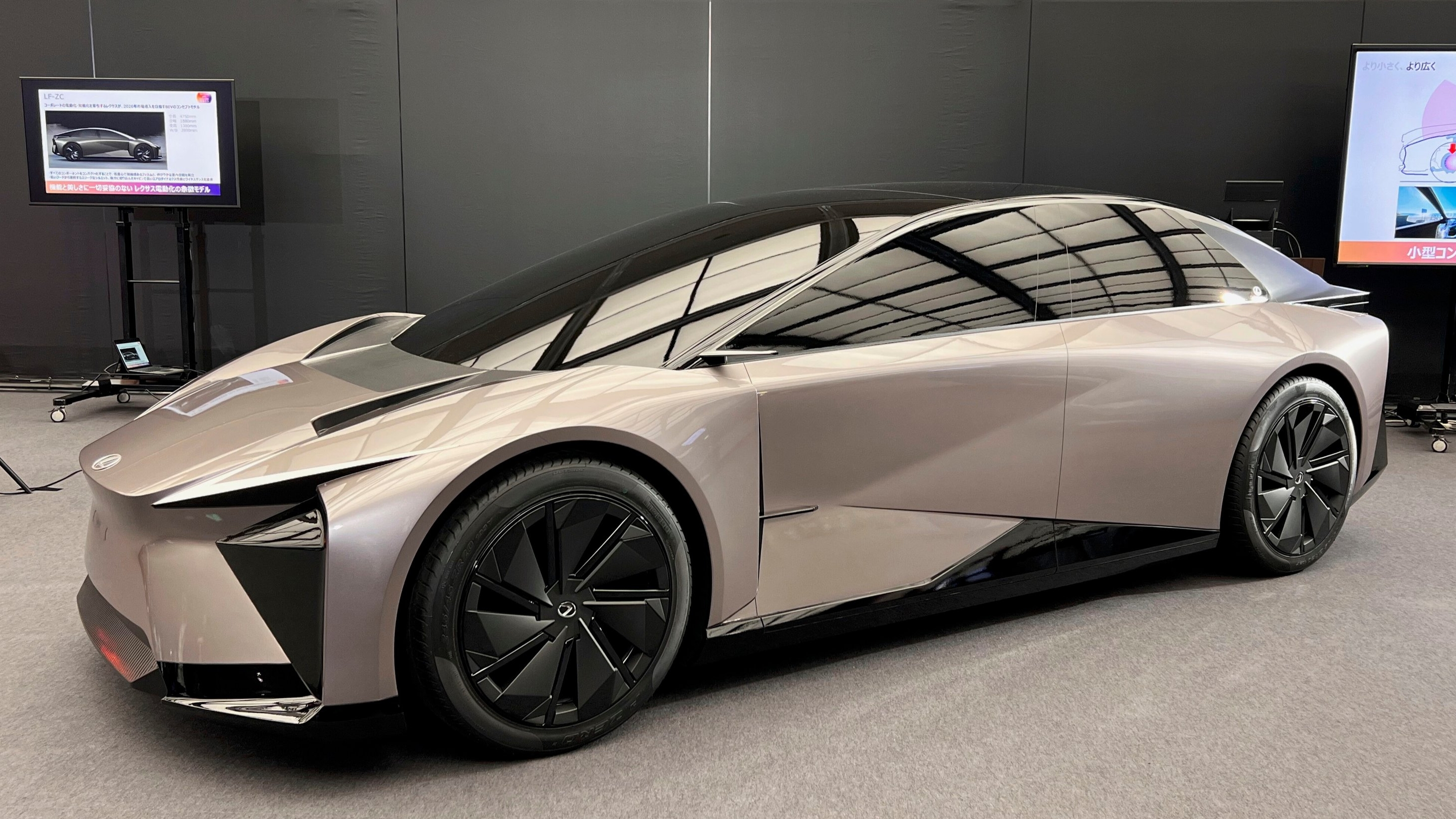
Toyota ने Lexus LF-ZC के विकास को रद्द कर दिया है, जो एक अगली पीढ़ी की इलेक्ट्रिक सेडान थी और जिसे लक्ज़री ब्रांड के लिए फ्लैगशिप EV के रूप में पेश किया गया था। Automotive News की रिपोर्ट के अनुसार, यह कदम प्रमुख जापानी ऑटोमेकर्स में इलेक्ट्रिक-वाहन विकास से व्यापक पीछे हटने की प्रवृत्ति का हिस्सा है।
संदर्भ सामग्री Toyota के इस फैसले को दो बड़े बाजार दबावों से जोड़ती है: वैश्विक EV मांग की धीमी गति और अमेरिका में प्रोत्साहनों का समाप्त होना। सीमित जानकारी के बावजूद यह framing बताती है कि इस रद्दीकरण को किसी एक मॉडल के अलग निर्णय के रूप में नहीं, बल्कि यह देखने के व्यापक पुनर्मूल्यांकन के हिस्से के रूप में लिया जा रहा है कि स्थापित निर्माता निकट अवधि के EV बाजार को कैसे पढ़ रहे हैं।
यह उतना ही प्रतीकात्मक झटका है जितना उत्पाद रद्दीकरण
LF-ZC केवल अपनी बिक्री संभावनाओं के कारण महत्वपूर्ण नहीं था, बल्कि इसलिए भी कि फ्लैगशिप परियोजनाएं अक्सर किसी कंपनी के किसी तकनीकी दिशा पर विश्वास का संकेत देती हैं। अगली पीढ़ी की Lexus इलेक्ट्रिक सेडान डिज़ाइन, सॉफ़्टवेयर, बैटरी रणनीति और ब्रांड पोज़िशनिंग के लिए एक शोकेस बनती। इसलिए इसे छोड़ देना उस वैश्विक उद्योग के भीतर प्रतीकात्मक वजन रखता है जो अभी भी दीर्घकालिक विद्युतीकरण लक्ष्यों और अल्पकालिक लाभप्रदता, तथा असमान उपभोक्ता मांग, के बीच संतुलन बनाने की कोशिश कर रहा है।
स्रोत सामग्री यह भी कहती है कि Toyota EV विकास योजनाओं से पीछे हटने में Honda, Mazda, और Subaru के साथ जुड़ रही है। यह महत्वपूर्ण है, क्योंकि यह किसी एक कंपनी की हिचकिचाहट के बजाय क्षेत्रीय पैटर्न की ओर इशारा करता है। यदि कई जापानी ऑटोमेकर्स एक साथ पीछे हट रहे हैं, तो मुद्दा संभवतः एक मॉडल से अधिक, अपनाने की गति और अर्थशास्त्र के बारे में अपेक्षाओं का है।
मांग के संकेत निवेश निर्णयों को बदल रहे हैं
ऑटोमेकर्स ने पिछले कई वर्षों में ऐसे बाजार के लिए योजना बनाने की कोशिश की है जो रणनीतिक रूप से विद्युतीकरण के प्रति प्रतिबद्ध है, लेकिन व्यावसायिक रूप से क्षेत्र-दर-क्षेत्र असंगत है। ऐसे माहौल में, फ्लैगशिप EV कार्यक्रम जोखिम भरे होते हैं। उनके लिए बड़े पूंजीगत निवेश, जटिल आपूर्ति-श्रृंखला योजना, और यह विश्वास चाहिए कि खरीदार प्रीमियम मूल्य स्तर पर मांग बनाए रखेंगे।
LF-ZC का रद्द होना संकेत देता है कि Toyota अब उस दांव को उसके मूल रूप में सही ठहराने के लिए समय या मांग वातावरण को पर्याप्त मजबूत नहीं मानती। संदर्भ सामग्री में अमेरिकी प्रोत्साहनों के समाप्त होने का उल्लेख विशेष रूप से महत्वपूर्ण है, क्योंकि नीति समर्थन EV मांग समीकरण का बड़ा हिस्सा रहा है। जब सब्सिडी बदलती है, तो उत्पादन और उपभोक्ता खरीद निर्णयों दोनों का अर्थशास्त्र तेज़ी से बदल सकता है।
जापानी उद्योग की EV रणनीति फिर से जांच के घेरे में है
जापानी निर्माताओं को अक्सर संयुक्त राज्य, यूरोप, और चीन के कुछ प्रतिस्पर्धियों की तुलना में बैटरी-इलेक्ट्रिक वाहनों पर अधिक सावधान माना गया है। कई EV विकास कार्यक्रमों से यह कथित पीछे हटना इस बहस को तेज़ कर सकता है कि क्या यह सावधानी रणनीतिक रूप से समझदारी साबित हो रही है या यदि बाजार गति अपेक्षा से तेज़ लौटती है, तो कंपनियों को जोखिम में छोड़ रही है।
Toyota के लिए यह सवाल विशेष रूप से महत्वपूर्ण है, क्योंकि कंपनी का पैमाना और प्रभाव बहुत बड़ा है। उसके उत्पाद निर्णय केवल व्यावसायिक विकल्प नहीं माने जाते, बल्कि तकनीकी तैयारी, उपभोक्ता रुझान, और आपूर्ति-श्रृंखला विश्वास के संकेत भी माने जाते हैं। Lexus EV फ्लैगशिप को रद्द करना किसी निच परियोजना को चुपचाप टालने से कहीं मजबूत संदेश देता है।
यह निर्णय क्या बताता है और क्या नहीं
दी गई स्रोत सामग्री सीमित है, इसलिए यह नहीं बताती कि LF-ZC की जगह Lexus की भविष्य की लाइनअप में क्या आएगा, और न ही यह स्पष्ट करती है कि Toyota संसाधनों को hybrids, अन्य battery-electric मॉडल्स, या अलग platform strategies की ओर मोड़ रही है या नहीं। लेकिन यह इतना जरूर स्थापित करती है कि एक अगली पीढ़ी की Lexus EV sedan रद्द कर दी गई है, और इस निर्णय को कमजोर मांग और घटे हुए नीति समर्थन से जोड़ा जा रहा है।
यह वैश्विक EV संक्रमण में इस कदम को एक महत्वपूर्ण डेटा बिंदु बनाता है। उद्योग अब उस चरण में नहीं है जहाँ हर electric program स्वतः विस्तारित हो जाता है। कुछ परियोजनाएँ अब टाली, आकार में घटाई, या पूरी तरह छोड़ी जा रही हैं, क्योंकि निर्माता समय, लागत और market fit के बारे में कठिन सवालों का सामना कर रहे हैं।
परिवहन नीति पर नज़र रखने वालों और ऑटो निवेशकों, दोनों के लिए LF-ZC रद्दीकरण का महत्व इसी बदलाव में है। यह ऐसे बाजार को दर्शाता है जो विद्युतीकरण के अधिक चयनात्मक, कम उत्साही चरण में प्रवेश कर रहा है, जहाँ उच्च-प्रोफ़ाइल EV कार्यक्रम भी अब concept से production तक सुरक्षित यात्रा की गारंटी नहीं हैं।
यह लेख Automotive News की रिपोर्टिंग पर आधारित है। मूल लेख पढ़ें.
Originally published on autonews.com