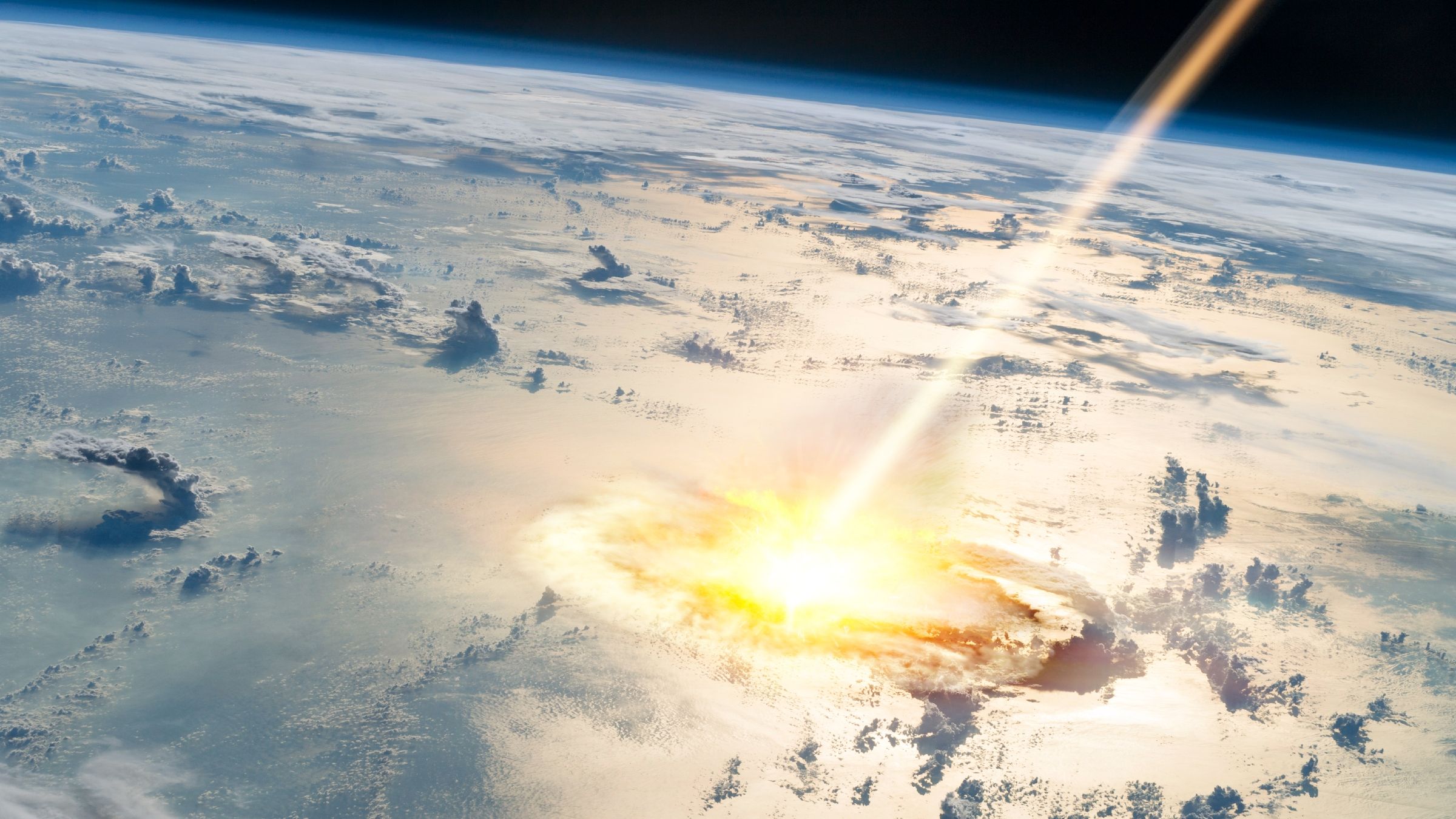
संयुक्त राज्य अमेरिका की सबसे बड़ी ज्ञात impact structures में से एक पहले के अनुमान से काफी नई हो सकती है। Northwestern Oklahoma में buried Ames crater से मिले zircon crystals के नए analysis के अनुसार impact लगभग 370 million years ago हुआ था, यानी Frasnian-Famennian mass extinction के आसपास।
यह revised timeline 10-mile-wide structure का वैज्ञानिक संदर्भ बदलती है। पहले Ames crater को लगभग 467 million years पुराने Ordovician meteor event से जोड़ा गया था।
Study यह सिद्ध नहीं करती कि impact ने extinction पैदा की। हालांकि, यह impact उसी व्यापक काल में हुआ हो सकता है और marine life पर गंभीर दबाव के समय environmental disruption में योगदान दे सकता है।
Oklahoma के नीचे छिपा crater
Ames crater जमीन से दिखाई नहीं देता। Object के टकराने के समय आज का Oklahoma उथले समुद्र के नीचे था। बाद में sediments ने depression को भरकर ढक दिया।
Structure की खोज 1991 में हुई, जब oil prospectors ने उसमें drilling की। यह लगभग 10 miles चौड़ा है और report के अनुसार United States की चौथी सबसे बड़ी impact structure है।
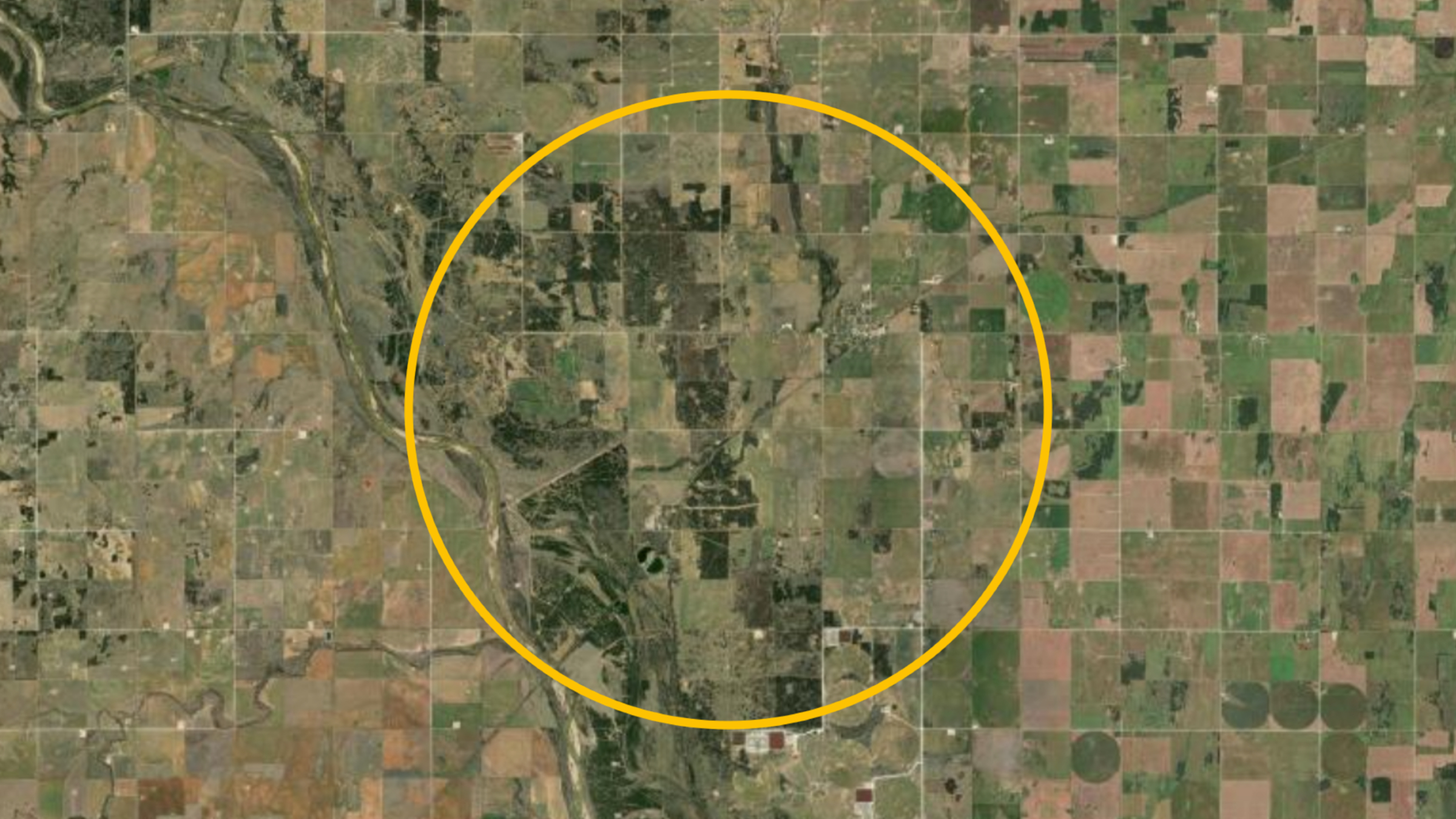
Impact structure के आसपास की rocks extreme shock और deformation के evidence को सुरक्षित रख सकती हैं, भले ही landscape बाद की sediment layers से ढक गया हो।
Zircon crystals ने date क्यों बदली
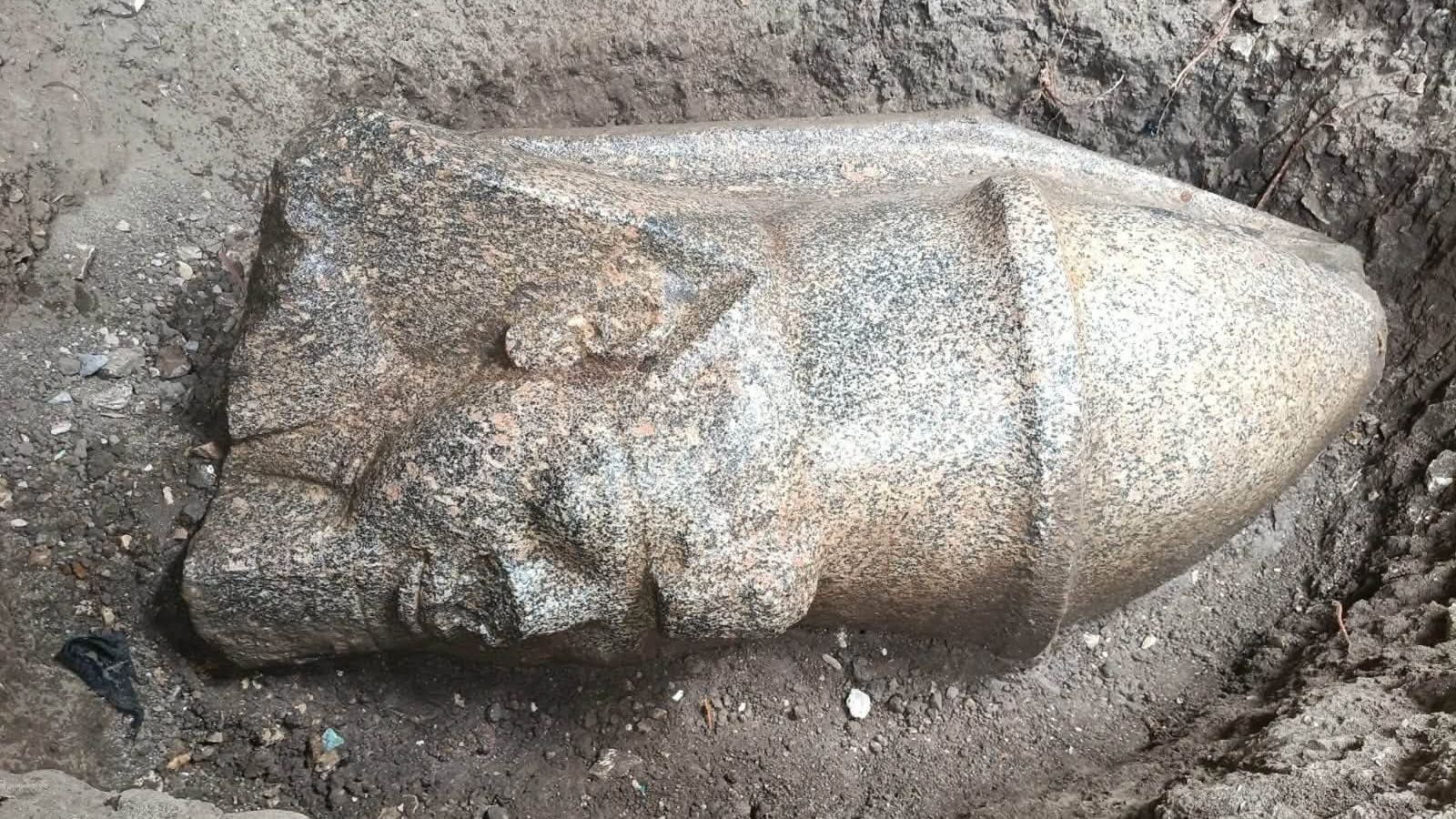
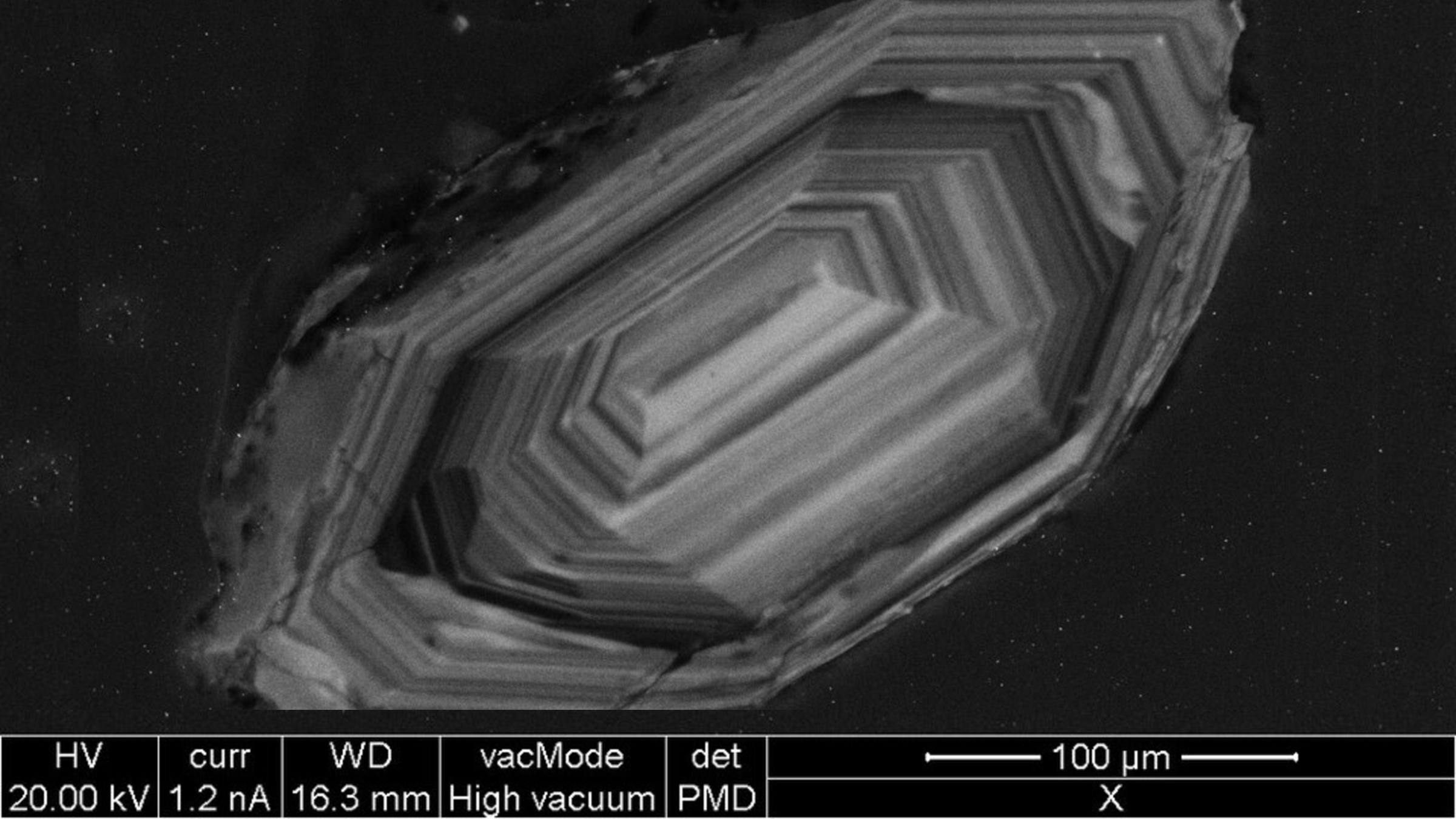
पहली age assignment crater के आसपास मिले marine animal fossils पर आधारित थी। नए काम में researchers ने underground crater में मौजूद tiny zircon crystals के fracture patterns का अध्ययन किया।
Zircon एक durable mineral है जो geological events का record रख सकता है। Crystal-scale damage से संकेत मिला कि impact लगभग 370 million years ago हुआ था, Ordovician event के दौरान नहीं।
नया संदर्भ: Frasnian-Famennian extinction
नई age Ames impact को Frasnian-Famennian mass extinction के समय रखती है। यह overlap वैज्ञानिक रूप से महत्वपूर्ण है, लेकिन chronological overlap causation का प्रमाण नहीं है।
Mass extinctions climate, oceans, ecosystems और atmospheric chemistry में बदलावों के बीच जटिल घटनाएं हो सकती हैं। नई analysis Ames crater के स्थान का पुनर्मूल्यांकन करती है, पर impact के योगदान को तय नहीं करती।
कारणात्मक संबंध स्थापित करने के लिए age match से अधिक evidence चाहिए—सटीक chronology और environmental changes के संकेत भी आवश्यक हैं।
Impact history के लिए नई age का अर्थ
Revision Ames को उस Ordovician impact cluster से अलग करती है जिसमें उसे लंबे समय से रखा गया था। साथ ही यह late Devonian record में एक महत्वपूर्ण American impact structure जोड़ती है।
Buried craters planetary geology में कठिन चुनौती हैं, क्योंकि erosion, sedimentation और tectonic change उनके मूल रूप को मिटा सकते हैं। Ames दिखाता है कि impact सतह से गायब होकर भी नीचे recoverable record छोड़ सकता है।
इस मामले में Oklahoma का छिपा crater Earth-history research के लिए नया प्रश्न बन गया है। अगला कदम direct cause मानना नहीं, बल्कि यह जांचना है कि impact ने क्या consequences पैदा किए और क्या वे geological record में दिखाई देते हैं।
This article is based on reporting by Live Science. Read the original article.
Originally published on livescience.com

