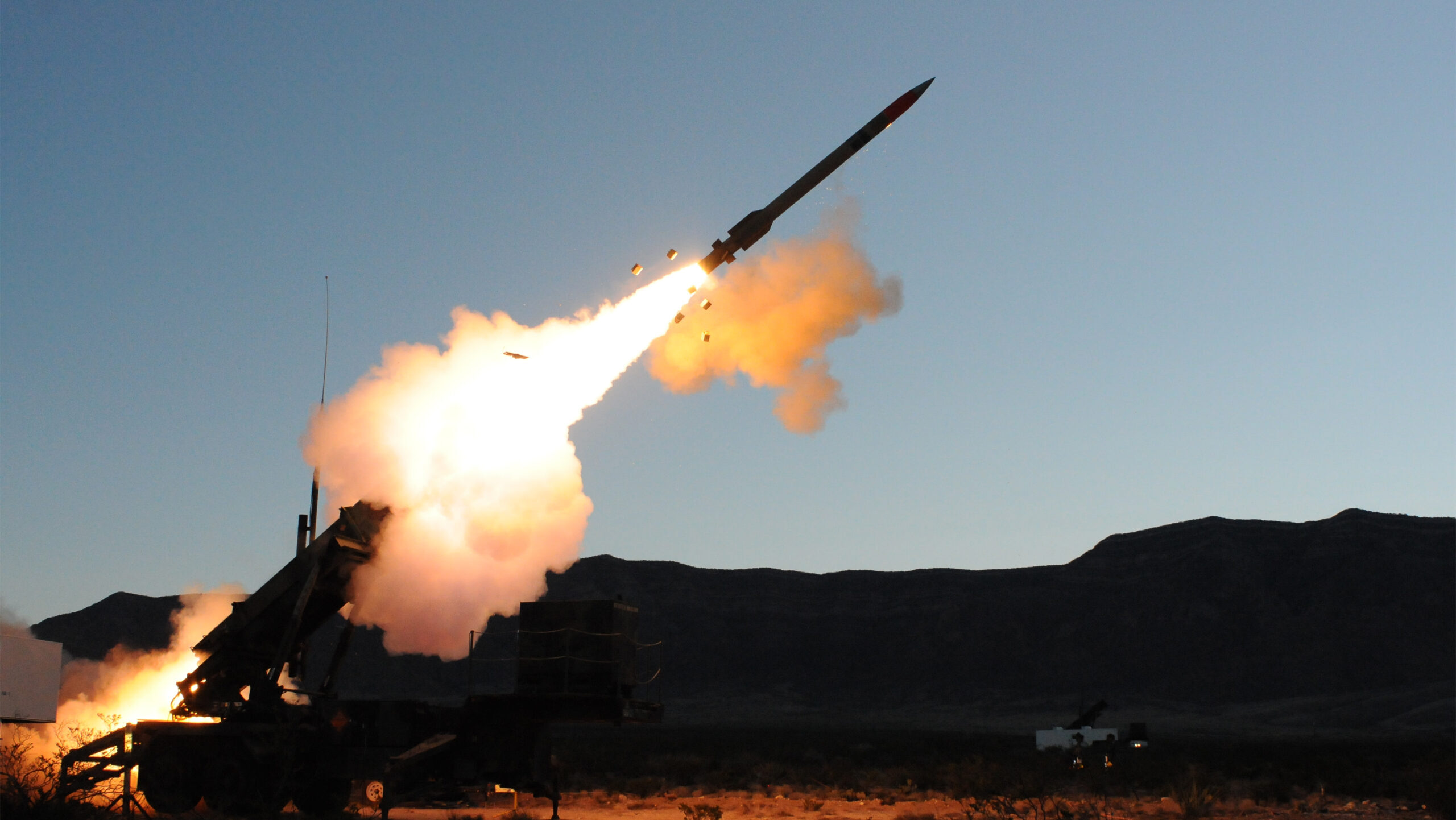
The Pentagon is testing a more interventionist approach to industrial coordination
US Defense Department, ammunition bottlenecks को संबोधित करने के लिए Defense Production Act की एक कम चर्चित विशेषता का उपयोग कर रहा है: structured industry coordination, जिसे अधिकारियों के अनुसार antitrust सीमाओं को पार किए बिना किया जा सकता है। Industrial Base Policy के लिए Assistant Secretary of Defense Michael Cadenazzi द्वारा वर्णित यह कदम संकेत देता है कि Washington अब हथियार आपूर्ति शृंखला में उत्पादन बाधाओं को कितनी गंभीरता से देख रहा है।
यहाँ मुद्दा Defense Production Act के तहत so-called voluntary agreements का उपयोग है। यह एक national security कानून है, जो आपात स्थितियों में घरेलू industrial capacity को आकार देने के लिए president को व्यापक अधिकार देता है। उपलब्ध source text के अनुसार, June 11 को President Donald Trump द्वारा हस्ताक्षरित presidential memo इस mechanism को “systemic constraints in the munitions industrial base” से निपटने के तरीके के रूप में अधिकृत करता है, जिसमें production capacity, long-lead items, supply-chain समस्याएँ, और अन्य bottlenecks शामिल हैं।
Cadenazzi ने इस अधिकार का वर्णन असामान्य रूप से स्पष्ट शब्दों में किया, यह कहते हुए कि यह industry participants को ऐसे तरीकों से संवाद करने और साथ काम करने की अनुमति देगा, जो अन्यथा antitrust चिंताएँ पैदा कर सकते थे। उद्देश्य लाभ के लिए anti-competitive market manipulation को सक्षम करना नहीं है, बल्कि तात्कालिक national security उत्पादन समस्याओं पर समन्वय के लिए सरकार-स्वीकृत ढांचा बनाना है। फिर भी, यह भाषा आधुनिक industrial policy के केंद्र में मौजूद तनाव को उजागर करती है: सरकारें strategic sectors में तेज, घनिष्ठ सहयोग चाहती हैं, लेकिन सामान्य market rules प्रतिस्पर्धियों को मिलीभगत से रोकने के लिए बनाई गई हैं।
Why munitions production is under pressure
यह policy shift ऐसे समय में आ रहा है जब United States output बढ़ाने और stockpiles को फिर से भरने की कोशिश कर रहा है। source text कहता है कि Iran के खिलाफ operations के बाद administration विशेष रूप से munitions production और replenishment पर ध्यान केंद्रित कर रहा है। यह संदर्भ महत्वपूर्ण है, क्योंकि weapons manufacturing कोई ऐसा सिस्टम नहीं है जिसे ज़रूरत पड़ने पर तुरंत चालू किया जा सके। supply chains अक्सर prime contractors, specialized component suppliers, chemical producers, और rocket motors तथा guidance-related subsystems जैसे long-lead items बनाने वालों में बँटी होती हैं।
जब demand अचानक बढ़ती है, तो बाधा अक्सर अंतिम assembly line पर नहीं, बल्कि नीचे कई स्तरों में किसी छिपे supplier पर होती है। किसी manufacturer के पास plant space और workers हो सकते हैं, फिर भी यदि critical component के लिए single-source vendor, specialized tooling, या raw-material bottleneck हो, तो वह तेजी से उत्पादन नहीं बढ़ा सकता। voluntary-agreement mechanism ऐसे blockages को जल्दी सामने लाने और government oversight के तहत companies को प्रतिक्रियाएँ समन्वित करने देने के लिए बनाया गया प्रतीत होता है।
यह पूरी तरह से hands-off procurement model से एक महत्वपूर्ण बदलाव है। केवल अधिक contracts जारी करके market response का इंतज़ार करने के बजाय, सरकार chokepoints के आसपास collaboration को orchestrate करने की कोशिश कर रही है। व्यावहारिक रूप से, इसका मतलब demand signals साझा करना, overlapping constraints की पहचान करना, investment timing को align करना, या यह पता लगाना हो सकता है कि chain के अन्य हिस्सों में duplication पैदा किए बिना suppliers कहाँ विस्तार कर सकते हैं।
How the Defense Production Act fits in
Defense Production Act अक्सर emergency powers, surge production, और strategically important industries के लिए federal support से जुड़ा होता है। यहाँ जो बात विशेष रूप से उभरती है, वह voluntary agreements का विशिष्ट उपयोग है। उपलब्ध रिपोर्टिंग के आधार पर, White House memo उन्हें munitions base में industrial bottlenecks को तोड़ने के tool के रूप में प्रस्तुत करता है, विशेष रूप से production capacity और long-lead procurement के मामले में।

यह mechanism इसलिए महत्वपूर्ण है क्योंकि antitrust rules उस cross-industry communication को हतोत्साहित कर सकती हैं, जिसकी एक constrained defense supply chain को buildup के दौरान आवश्यकता हो सकती है। प्रतिद्वंद्वी companies आम तौर पर production decisions को स्वतंत्र रूप से समन्वित नहीं कर सकतीं या sensitive market information साझा नहीं कर सकतीं। सही ढंग से संरचित DPA framework के तहत, सरकार national security लक्ष्यों से जुड़े सीमित सहयोग के लिए एक legal space बना सकती है।
यह जोखिमों को समाप्त नहीं करता। supply, timing, या investment के आसपास प्रतिस्पर्धियों को align करने की अनुमति देने वाली किसी भी policy के लिए सख्त सीमाएँ और oversight आवश्यक है। source text इन guardrails के procedural details नहीं देता, इसलिए यह मान लेना जल्दबाज़ी होगी कि coordination कितना विस्तृत या संकीर्ण होगा। लेकिन policy direction स्पष्ट है: Pentagon का मानना है कि मौजूदा industrial friction को दूर करने के लिए standard contracting tools पर्याप्त नहीं हैं।
A broader pattern in US defense industrial policy
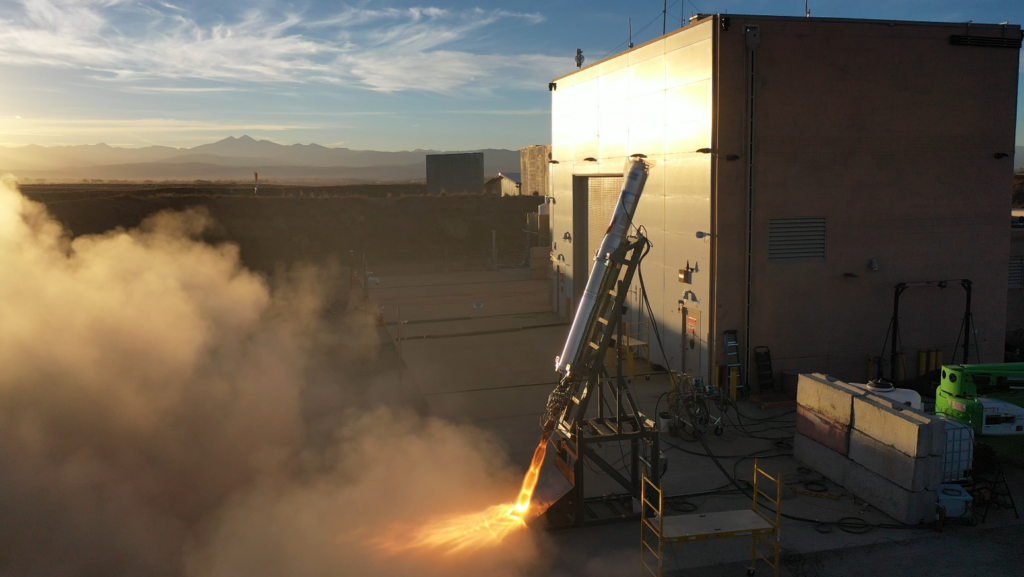
यह voluntary-agreement कदम output को मज़बूत करने के अन्य उपायों के साथ दिखाई देता है। source text नोट करता है कि administration ने कंपनियों के साथ उनके अपने manufacturing facilities में निवेश करने के लिए framework deals, और L3Harris के solid rocket motor business में $1 billion investment सहित कई approaches पर विचार किया है। साथ मिलाकर, ये एक ऐसी industrial strategy दिखाते हैं जो अधिक सक्रिय, अधिक लक्षित, और supplier economics में सीधे हस्तक्षेप करने में अधिक सहज होती जा रही है।
यह प्रवृत्ति Washington में एक व्यापक बदलाव को दर्शाती है। वर्षों तक defense industrial चर्चाएँ consolidation, efficiency, और acquisition reform पर केंद्रित थीं। अब जोर resilience, surge capacity, और strategic redundancy की ओर बढ़ रहा है। तर्क सीधा है: यदि stockpiles को पुनर्निर्मित करने से तेज़ी से खर्च किया जा सकता है, तो deterrence केवल platform sophistication पर नहीं, बल्कि production throughput पर भी निर्भर करेगा।
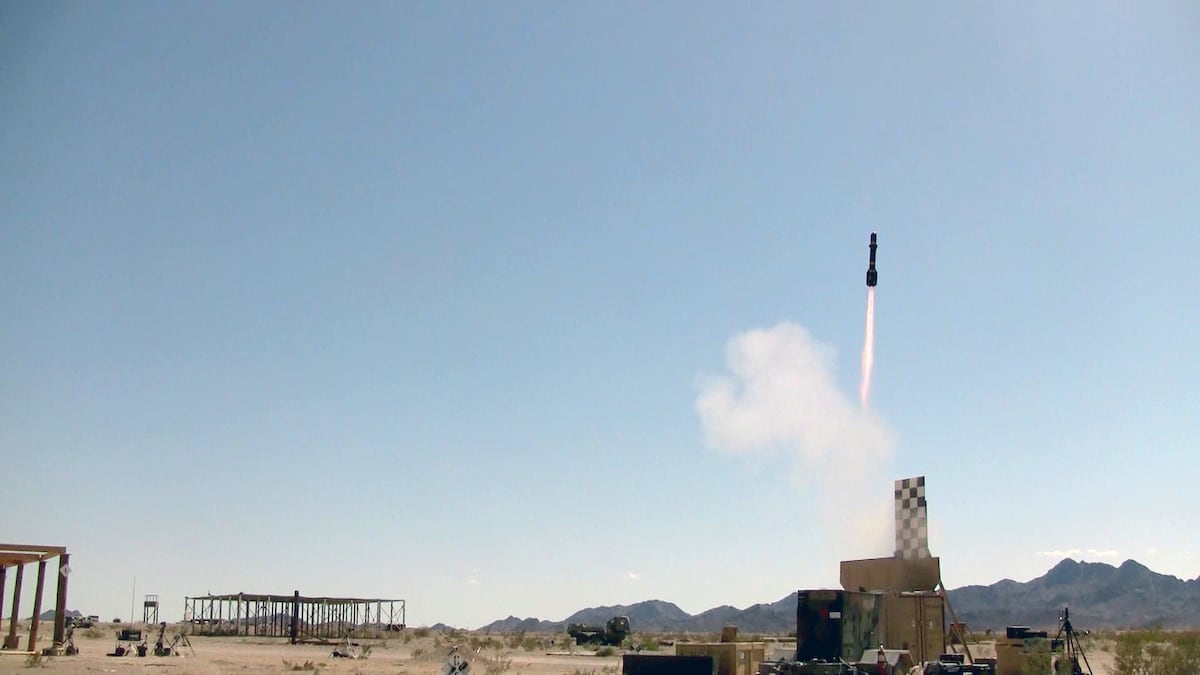
Munition इस समस्या के प्रति विशेष रूप से संवेदनशील हैं, क्योंकि वे उपयोग होती हैं। ships या aircraft के विपरीत, missiles और interceptors को लगातार बदला जाना पड़ता है। केवल peacetime efficiency के लिए optimized supply chain wartime demand, geopolitical shocks, या लंबी operations के अचानक volumes बढ़ने पर संघर्ष कर सकती है। legally structured industry collaboration में Pentagon की रुचि संकेत देती है कि वह coordination failure को ही production constraint मानता है।
What to watch next
June 11 memo का व्यावहारिक प्रभाव execution पर निर्भर करेगा। मुख्य प्रश्न हैं कि industry participants कितनी जल्दी जुड़ते हैं, क्या government bottlenecks को पर्याप्त सटीकता से पहचान सकती है, और क्या यह collaboration capacity तथा delivery times में मापनीय सुधार लाता है। यह भी महत्वपूर्ण होगा कि क्या यह approach केवल munitions तक सीमित रहती है या अन्य defense-critical sectors के लिए मॉडल बनती है, जहाँ supplier concentration और long-lead समस्याएँ समान रूप से मौजूद हैं।
फिलहाल, इसका महत्व एक contract या एक production line से अधिक doctrine में है। Pentagon संकेत दे रहा है कि वह national security authorities का उपयोग केवल अधिक weapons खरीदने के लिए ही नहीं, बल्कि उन्हें बनाने के दौरान companies कैसे समन्वय करती हैं, इसे आकार देने के लिए भी करने को तैयार है। supply fragility और अधिक operational tempo के युग में, यह US defense industrial policy में सबसे अधिक consequential बदलावों में से एक साबित हो सकता है।
This article is based on reporting by Breaking Defense. Read the original article.
Originally published on breakingdefense.com