Audi revient dans la bataille des supercars
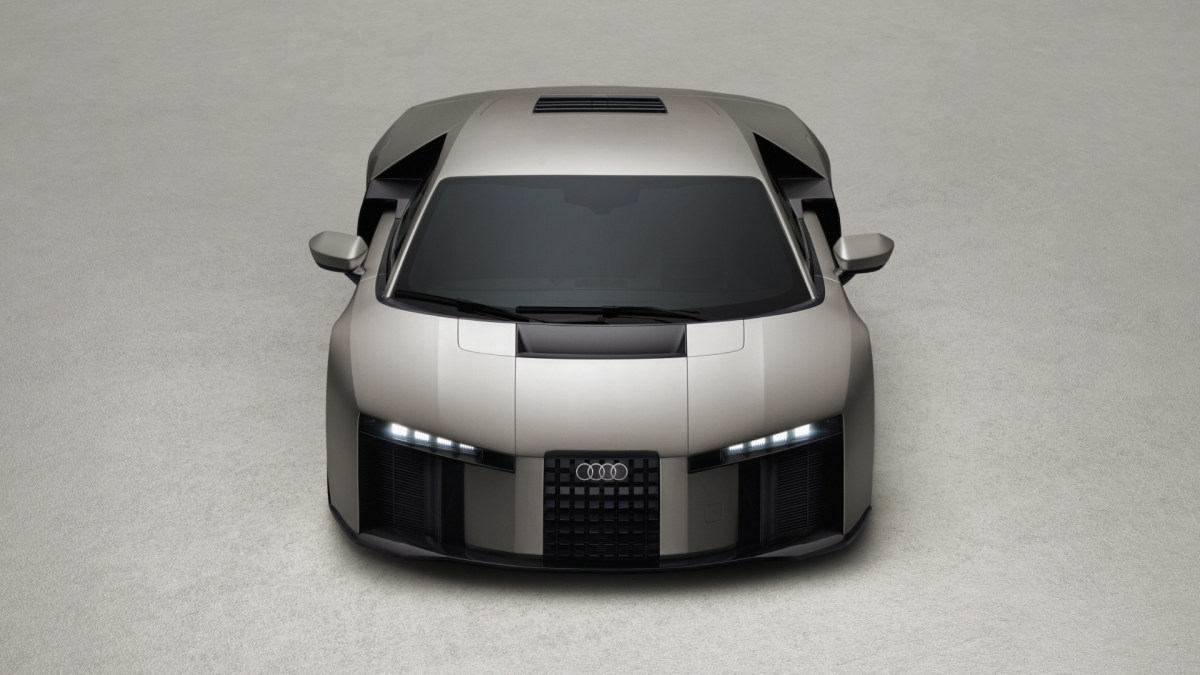
Audi a dévoilé la Nuvolari, une supercar hybride qui, selon la marque, deviendra le modèle de série le plus puissant de l’histoire de l’entreprise. Révélée lors des festivités du Grand Prix de Monaco de Formule 1, la voiture associe un V8 biturbo de 4,0 litres à une architecture électrique à trois moteurs pour une puissance totale d’environ 1 000 chevaux, selon le rapport fourni par The Drive.
Pour Audi, l’enjeu va bien au-delà de la seule puissance affichée. La marque a passé des années davantage associée à des voitures routières haut de gamme et à des berlines sportives qu’à une supercar emblématique de référence. La Nuvolari est une tentative directe de réaffirmer sa présence dans le haut du marché, avec une formule qui mélange le caractère d’un moteur thermique, les performances électrifiées et l’imagerie du sport automobile plutôt qu’un passage intégral au tout électrique.
La chaîne de traction combine du matériel Lamborghini et le réglage Audi
Le rapport fourni indique que le V8 est repris de la Lamborghini Temerario, mais réglé pour délivrer un peu plus de puissance. Il conserve la même configuration de moteurs électriques : deux moteurs à flux axial sur l’essieu avant et un sur l’essieu arrière. Cette architecture hybride est annoncée comme permettant un 0 à 60 mph en 2,6 secondes et une vitesse de pointe de 217 mph.
Une batterie de 7,3 kWh prend en charge une autonomie électrique non divulguée. Même si cette autonomie n’a pas encore été précisée, la présence de la batterie est stratégiquement importante. Audi n’utilise pas ici l’électrification uniquement pour la conformité ou le roulage à basse vitesse. Elle l’emploie pour élargir l’enveloppe de performance grâce à la délivrance du couple, à l’adhérence et au contrôle de la transmission intégrale.
C’est de plus en plus ainsi que sont conçues les supercars haut de gamme : l’électricité n’y remplace pas l’émotion, elle l’amplifie.
L’influence de la Formule 1 va au-delà du style
Le directeur technique d’Audi, Rouven Mohr, a lié la voiture à l’engagement de la marque en Formule 1, et la révélation à Monaco rendait ce lien impossible à manquer. La teinte extérieure en titane est reprise directement de la monoplace F1 d’Audi, selon le rapport, et la structure de la carrosserie reflète elle aussi cette influence du sport automobile.
La Nuvolari utilise un nouvel Audi Space Frame avec une carrosserie en carbone, et le rapport indique qu’elle s’appuie sur les mêmes méthodes de fabrication que celles employées sur les voitures de F1. Le package comprend également une aérodynamique active capable de générer jusqu’à 882 livres d’appui grâce à un aileron arrière déployable avec trois réglages : Closed, Low Downforce et High Downforce.
Ces éléments suggèrent qu’Audi vise plus qu’un simple effet visuel. La stabilité à haute vitesse, le comportement en virage et l’adaptabilité aérodynamique sont devenus centraux dans l’identité d’une supercar moderne. Les acheteurs de cette catégorie attendent des chiffres, mais aussi des récits techniques qui relient les voitures de route à la crédibilité de la compétition.
quattro évolue pour l’ère hybride
La voiture sera équipée du “quattro predictive ride”, décrit dans le rapport comme la dernière version du système de transmission intégrale d’Audi. Il utilise le torque vectoring lors des phases d’accélération, de passage en courbe, de décélération et de freinage, y compris le freinage régénératif.
Cela compte, car les voitures de performance hybrides dépendent de plus en plus du logiciel autant que du matériel. Gérer la puissance de plusieurs moteurs et d’un moteur thermique n’est plus seulement un problème de groupe motopropulseur. Cela devient un problème de châssis et de contrôle, où la stabilité, la réactivité et la confiance du conducteur dépendent de la façon dont la voiture décide, à chaque instant, ce que chaque essieu et chaque roue doivent faire.
L’identité supercar d’Audi a longtemps été liée au quattro. Dans la Nuvolari, cette identité est réécrite par une gestion électrifiée du couple plutôt que par la tradition purement mécanique de la transmission intégrale.
Habitacle minimaliste, message maximal
À l’intérieur, le rapport fourni indique qu’Audi a refusé de surcharger la planche de bord d’écrans supplémentaires. L’habitacle conserve un écran tactile central et un combiné d’instruments numérique, mais il n’embarque pas d’écran passager ni d’effets plus démonstratifs centrés sur les écrans. Cette retenue est notable dans un marché où de nombreux vaisseaux amiraux de la performance ressemblent de plus en plus à des vitrines technologiques avant d’être des voitures de conducteur.
Le résultat semble conçu pour renforcer un message précis : voici une Audi qui veut être perçue comme focalisée, aux lignes tranchantes et sérieuse au sujet de la performance. Même le choix du nom va dans ce sens, en reprenant la légende de la course Tazio Nuvolari et en faisant écho à un concept antérieur du début des années 2000.
La grande question est de savoir si cette voiture peut faire pour Audi ce que la R8 a autrefois fait, mais avec un mélange plus contemporain de puissance hybride et d’association à la Formule 1. Sur le papier, les ingrédients sont là. Une supercar V8 hybride de 1 000 chevaux n’a rien de subtil, et elle n’a pas vocation à l’être. C’est un signal qu’Audi veut être jugée dans la même conversation sur la haute performance que les marques à côté desquelles elle s’est souvent trouvée, sans toujours les défier directement, ces dernières années.
Nuvolari en bref
- V8 biturbo hybride de 4,0 litres avec environ 1 000 chevaux.
- Trois moteurs électriques : deux sur l’essieu avant et un sur l’arrière.
- Les performances annoncées comprennent un 0 à 60 mph en 2,6 secondes et une vitesse de pointe de 217 mph.
- L’aérodynamique active et un châssis space frame à carrosserie carbone relient la voiture au message d’ingénierie d’Audi à l’ère F1.
Cet article s’appuie sur le reportage de The Drive. Lire l’article original.
Originally published on thedrive.com