Small Manned Aircraft Play Enemy Drones in Realistic US Exercises
The United States military has turned to an unconventional solution for one of its most pressing training challenges: how do you prepare troops to fight swarms of cheap, slow-moving kamikaze drones without actually flying swarms of cheap, slow-moving kamikaze drones? The answer, it turns out, involves a small manned aircraft called the KestrelX KX-2, which is being used to simulate Iranian-designed Shahed-136 one-way attack drones during large-scale military exercises across the country.
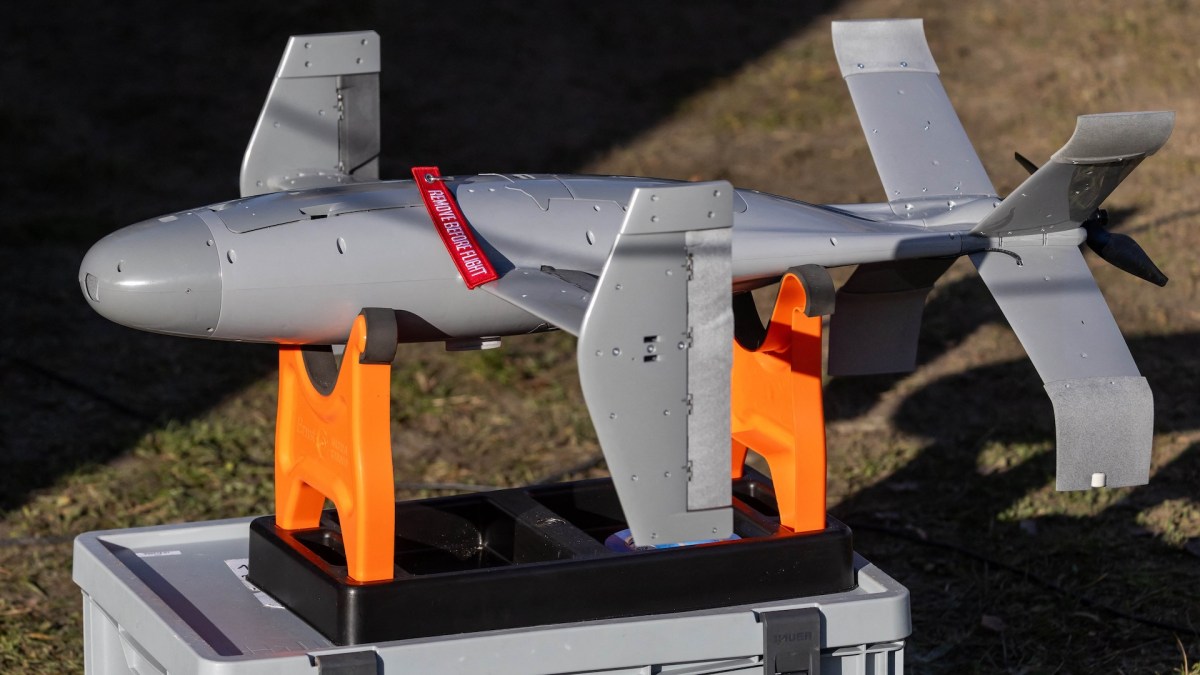
The KX-2, manufactured by KestrelX Aviation, is a lightweight, low-observable aircraft originally designed for special operations and intelligence, surveillance, and reconnaissance (ISR) missions. Its small radar cross-section, low acoustic signature, and ability to fly at the slow speeds and low altitudes characteristic of Shahed-type drones make it an ideal surrogate for replicating the threat profile that US forces would face in a conflict involving Iranian-supplied munitions.
The Training Gap That Needed Filling
The decision to employ manned aircraft as drone surrogates reflects a significant gap in US military training infrastructure. While the armed forces operate a variety of unmanned aerial targets for live-fire exercises, these systems are expensive to operate, limited in availability, and often do not accurately replicate the flight characteristics of the specific threats troops are most likely to encounter.
The Shahed-136, which Iran has exported to Russia for use against Ukraine and to Houthi forces in Yemen, presents a particularly challenging threat profile. It flies at approximately 100 miles per hour at altitudes between 200 and 3,000 feet, using a simple piston engine that produces a distinctive buzzing sound. Its small size, composite construction, and low-altitude flight path give it a minimal radar signature, making it difficult to detect and track with air defense systems designed to counter faster, higher-flying threats.
KX-2 Specifications and Capabilities
The KestrelX KX-2 is a tandem-seat, low-wing monoplane with a wingspan of approximately 30 feet and a maximum takeoff weight under 1,500 pounds. It is powered by a quiet turboprop engine that can be throttled back to match the speed and acoustic profile of a Shahed-136. The aircraft's composite airframe includes radar-absorbing materials that reduce its radar cross-section to levels comparable to the drones it is simulating.
For exercise purposes, the KX-2 is equipped with electronic augmentation pods that can modify its radar and infrared signatures to more closely match specific drone types. The aircraft can also carry transponders that interact with training versions of air defense systems, allowing engagement crews to practice the full detection-tracking-engagement cycle without the safety risks associated with live fire against actual airborne targets.
The presence of a human pilot provides several advantages over unmanned surrogates. The pilot can dynamically adjust flight profiles in response to exercise conditions, simulate evasive maneuvers or formation flying, and abort a run immediately if safety conditions require it. This flexibility allows exercise planners to create more complex and realistic scenarios than would be possible with pre-programmed drone targets.
How the Exercises Work
In recent exercises conducted at military ranges in Nevada and New Mexico, KX-2 aircraft flew simulated attack profiles against ground-based air defense units and naval task forces. The aircraft approached targets from multiple directions at varying altitudes, sometimes in coordinated groups designed to simulate the saturation tactics that Shahed drones employ in combat.
Ground and shipboard crews practiced detecting the incoming threats using a mix of radar, acoustic sensors, and visual observation. They then engaged the surrogates using electronic simulations of weapon systems including the Coyote counter-drone interceptor, directed-energy weapons, and conventional gun-based close-in weapons systems (CIWS). The exercises were scored using the electronic augmentation pods on the KX-2s, which recorded whether engagement criteria had been met.
Multi-Domain Integration
The training scenarios went beyond simple air defense drills. Exercise planners integrated the drone surrogate flights into broader operational scenarios that included simultaneous cyber attacks on air defense networks, electronic warfare jamming of communications and radar, and coordinated strikes by simulated cruise missiles and ballistic missiles. This multi-domain approach is designed to stress-test the ability of US forces to maintain air defense effectiveness even when multiple other threats are competing for attention and resources.
Participating units reported that the exercises provided significantly more realistic training than previous counter-UAS drills. "The KX-2 gives us something we have never had before — a live, breathing threat that behaves like the drones we are reading about in intelligence reports every day," said a senior officer involved in the exercise planning. "You cannot replicate that experience with a PowerPoint briefing or a tabletop exercise."
Broader Implications for US Readiness
The use of manned surrogate aircraft for drone training reflects the broader challenge the US military faces in adapting to asymmetric threats. The Shahed-136 and its variants have proven devastatingly effective in Ukraine, where they have forced Kyiv to expend expensive Western-supplied air defense missiles to counter drones that cost a fraction of the interceptor price. The Houthis have used similar weapons to disrupt global shipping in the Red Sea, demonstrating that low-cost drones can have strategic effects far out of proportion to their material cost.
Preparing US forces to counter these threats requires training that is both realistic and scalable. The KX-2 program addresses the realism requirement, but questions remain about scalability. Each exercise requires multiple aircraft, trained pilots, and significant coordination with range safety authorities. Expanding the program to provide regular training for the large number of units that might face drone threats in a major conflict will require additional investment in aircraft, personnel, and training infrastructure.
Analysis: Innovation Born of Necessity
The KestrelX KX-2 program is a creative response to a real operational need. By repurposing a manned aircraft designed for special operations into a drone surrogate, the military has found a way to provide realistic training without waiting for purpose-built unmanned target systems to work through the acquisition pipeline.
This kind of pragmatic improvisation — using what is available now rather than waiting for the perfect solution later — is exactly the mindset the Department of Defense needs to cultivate as it confronts the rapid evolution of drone warfare. The lessons learned from these exercises will inform not only tactics and training, but also the development of next-generation counter-drone systems that must be effective against threats that are continuously evolving.
The KX-2 program may be a stopgap, but it is a smart one. In an era where the threat is evolving faster than the acquisition system can respond, getting realistic training into the hands of frontline units today matters more than fielding a perfect training system years from now.
This article is based on reporting by The Drive. Read the original article.
Originally published on thedrive.com