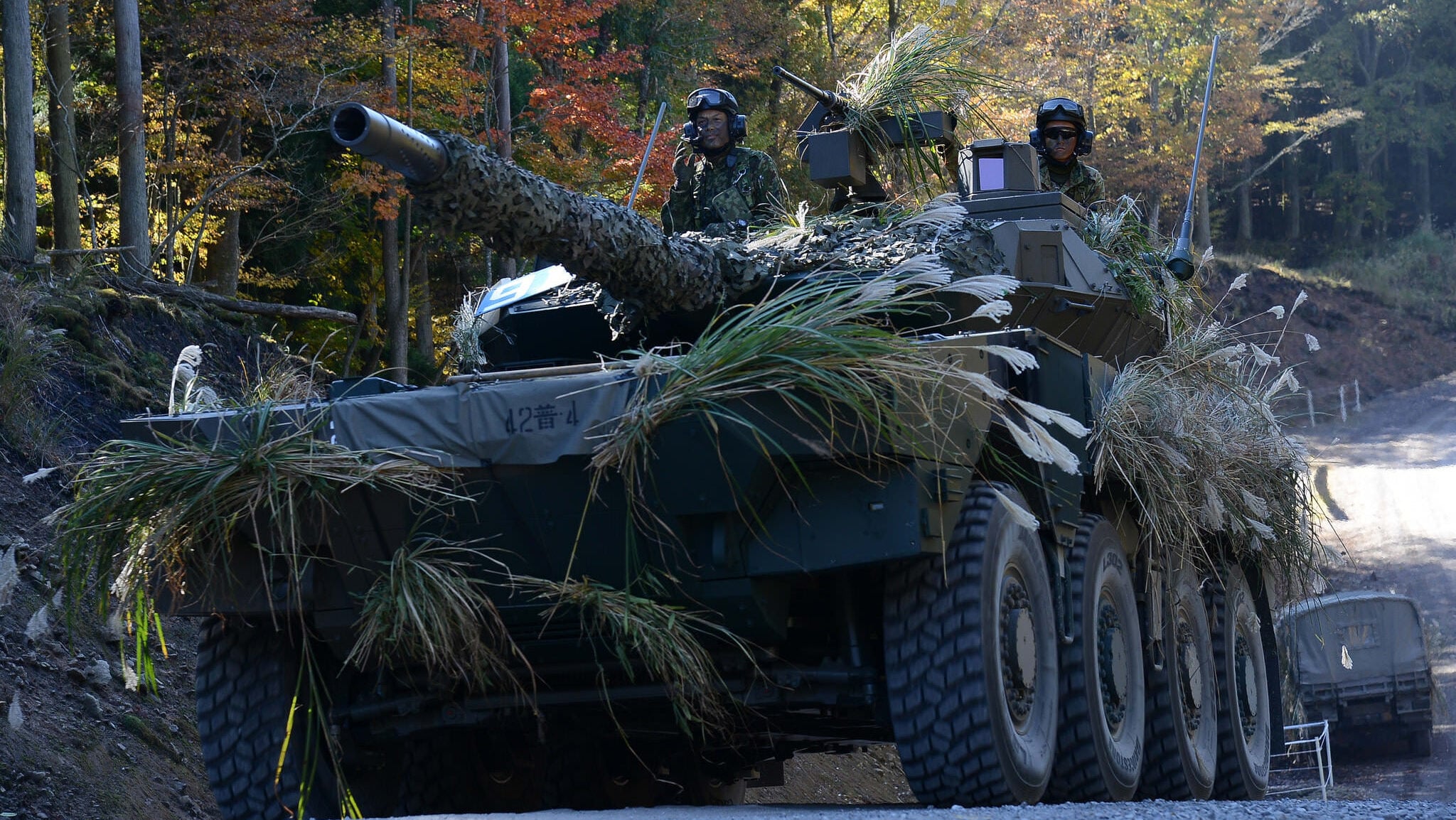
Japón redefine los límites de sus exportaciones de defensa
Japón ha dado un paso importante para alejarse de su histórica contención en las ventas de armas al exterior, al flexibilizar sus normas de exportación armamentística para permitir la transferencia de equipos de defensa letales a un grupo más amplio de países socios. El anuncio de la Secretaría del Gabinete abre la puerta a exportaciones a 17 países que han firmado con Tokio acuerdos de transferencia de equipos y tecnología de defensa, incluidos Estados Unidos, Reino Unido, Australia e India.
El cambio es significativo porque Japón había limitado previamente las exportaciones de defensa a cinco categorías de sistemas no letales o menos sensibles desde el punto de vista político: equipos de contramedidas contra minas, vigilancia, monitoreo, transporte y rescate. Con el marco actualizado, ahora se pueden transferir sistemas letales a un grupo definido de socios y aliados, lo que marca uno de los giros más claros hasta ahora en la forma en que Tokio está posicionando su industria de defensa y su papel en materia de seguridad.
La lógica es estratégica, no solo comercial
La primera ministra Sanae Takaichi enmarcó la decisión como respuesta a un entorno de seguridad regional y global más duro. En una declaración pública, sostuvo que ningún país puede proteger por sí solo su paz y seguridad y que apoyar a los países socios mediante transferencias de equipos de defensa puede reforzar sus capacidades y, a su vez, contribuir a la prevención de conflictos y a la seguridad de Japón.
Esa formulación importa. La medida no se presenta como un cambio rutinario de política industrial ni como una revisión limitada del control de exportaciones. Se justifica como parte de un concepto más amplio de seguridad colectiva, en el que los vínculos industriales de defensa entre aliados se tratan como una extensión de la disuasión.
El momento también subraya esa lógica. El cambio de norma llega después de que Japón anunciara durante el fin de semana que había firmado contratos con Australia para la venta de 11 fragatas clase Mogami mejoradas. Esa secuencia sugiere que Tokio intenta alinear la política con la creciente demanda de los socios cercanos en materia de seguridad por sistemas y tecnologías fabricados en Japón.
Lo que las nuevas reglas siguen sin permitir
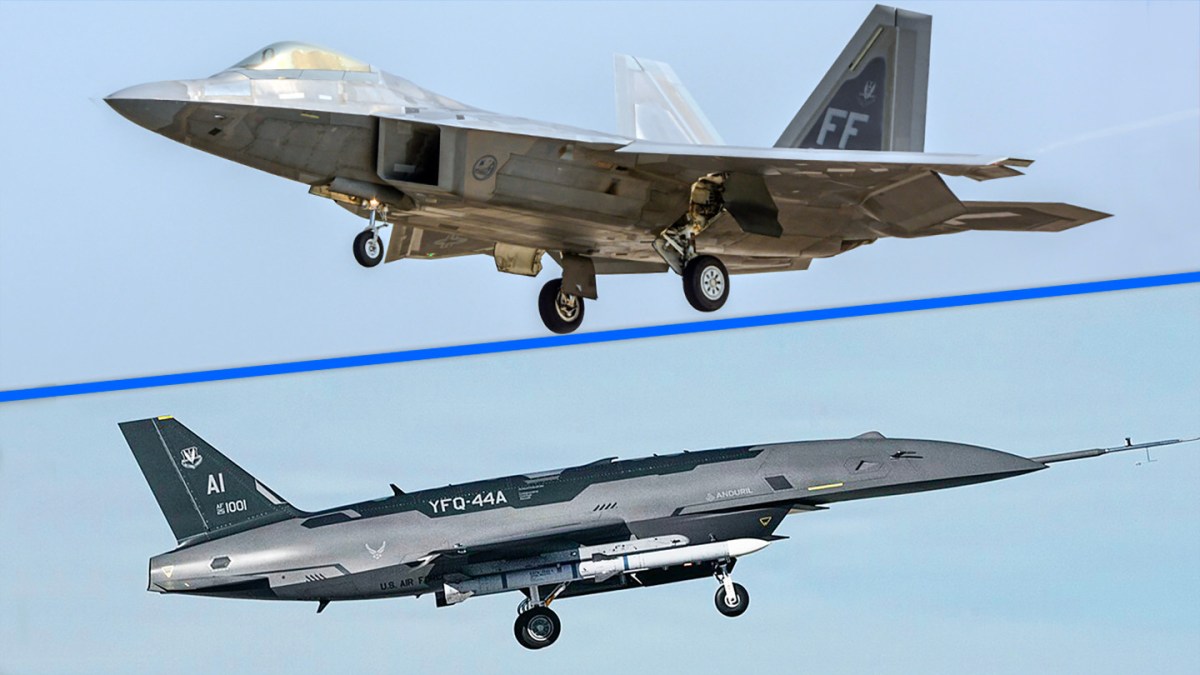
El cambio es sustancial, pero no ilimitado. Japón señaló que las transferencias de armas letales a países involucrados en conflictos en curso siguen prohibidas, salvo en lo que calificó como circunstancias excepcionales, como cuando un país que busca armas está sometido a agresión armada. Incluso entonces, las aprobaciones requerirían la firma de los cuatro ministros que integran el núcleo decisorio del Consejo de Seguridad Nacional de Japón: el primer ministro, el secretario jefe del Gabinete, el ministro de Asuntos Exteriores y el ministro de Defensa.
Takaichi también dijo que Japón seguiría cumpliendo con los marcos internacionales de control de exportaciones y aplicaría revisiones caso por caso más estrictas. Los países receptores, afirmó, tendrían que comprometerse a usar el equipo de acuerdo con la Carta de la ONU, y Tokio garantizaría una gestión adecuada por parte del receptor.
Esas salvedades muestran que Japón intenta ampliar su margen de acción sin abandonar los guardarraíles políticos que durante mucho tiempo han definido su postura de defensa de posguerra. En la práctica, eso significa que el país está señalando más flexibilidad, pero sigue reservándose un alto nivel de escrutinio gubernamental sobre las transferencias controvertidas.
Por qué esto importa más allá de Japón
Para los aliados, la decisión podría ampliar la base de suministro de equipos de defensa avanzados en un momento en que muchos países intentan aumentar sus inventarios con mayor rapidez y reducir la dependencia de un grupo reducido de proveedores. Para Japón, crea una vía más clara para que las alianzas industriales de defensa pasen de la cooperación en investigación y las ventas selectivas a transferencias de armamento más relevantes.
El embajador de Estados Unidos en Japón, George Glass, acogió públicamente la medida, diciendo que contribuiría a la seguridad y la estabilidad del Indo-Pacífico y fortalecería la capacidad colectiva de los países que trabajan con la alianza entre Japón y Estados Unidos. Esa respuesta refleja cómo es probable que los socios vean el cambio: no como un ajuste técnico de las normas de exportación, sino como una señal de que Japón está dispuesto a desempeñar un papel práctico más amplio en la defensa regional.
La importancia interna también es considerable. Durante años, el debate japonés sobre exportaciones de armas ha estado limitado por la cautela política y unas normas restrictivas que a menudo impedían que las empresas japonesas participaran plenamente en las oportunidades de compras de los aliados. La última decisión no elimina esas restricciones, pero sí redefine la línea de base. Tokio está afirmando ahora de forma explícita que las transferencias de equipos de defensa pueden servir a objetivos de seguridad nacional, no solo a intereses industriales.
Un cambio controlado pero inconfundible
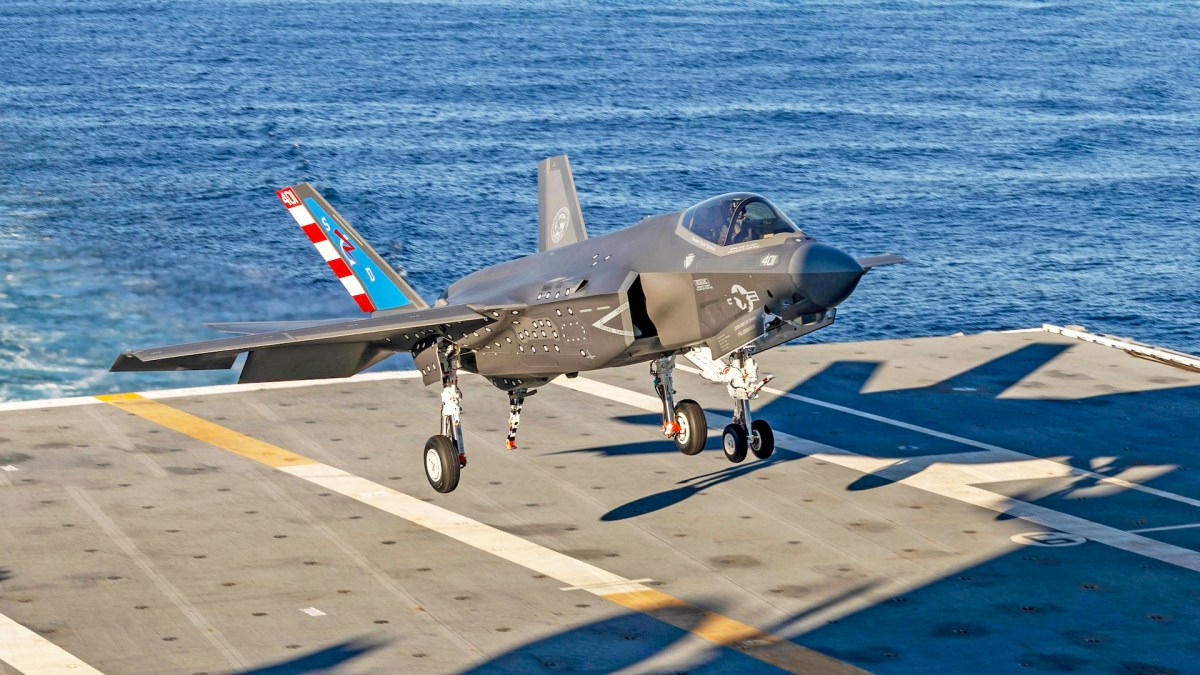
La nueva política deja sin resolver preguntas sobre con qué agresividad usará Japón esta autoridad, qué tipos de sistemas letales tienen más probabilidades de ser aprobados y con qué frecuencia pasarían el examen político los casos excepcionales relacionados con conflictos. Pero la dirección estratégica es clara. Japón está ampliando el círculo de países que pueden recibir su equipo de defensa y lo hace en respuesta a un entorno de seguridad empeorado, expectativas más firmes de sus alianzas y una demanda creciente de capacidades interoperables.
Eso convierte esto en algo más que un simple ajuste de la política de exportaciones. Es un hito en la redefinición gradual del papel de defensa de Japón, con implicaciones para la distribución de cargas entre aliados, la disuasión en el Indo-Pacífico y el futuro de la propia base industrial de defensa japonesa.
Este artículo se basa en una información de Breaking Defense. Leer el artículo original.
Originally published on breakingdefense.com