Un estudio de una planta brasileña apunta a una estrategia antiviral más amplia
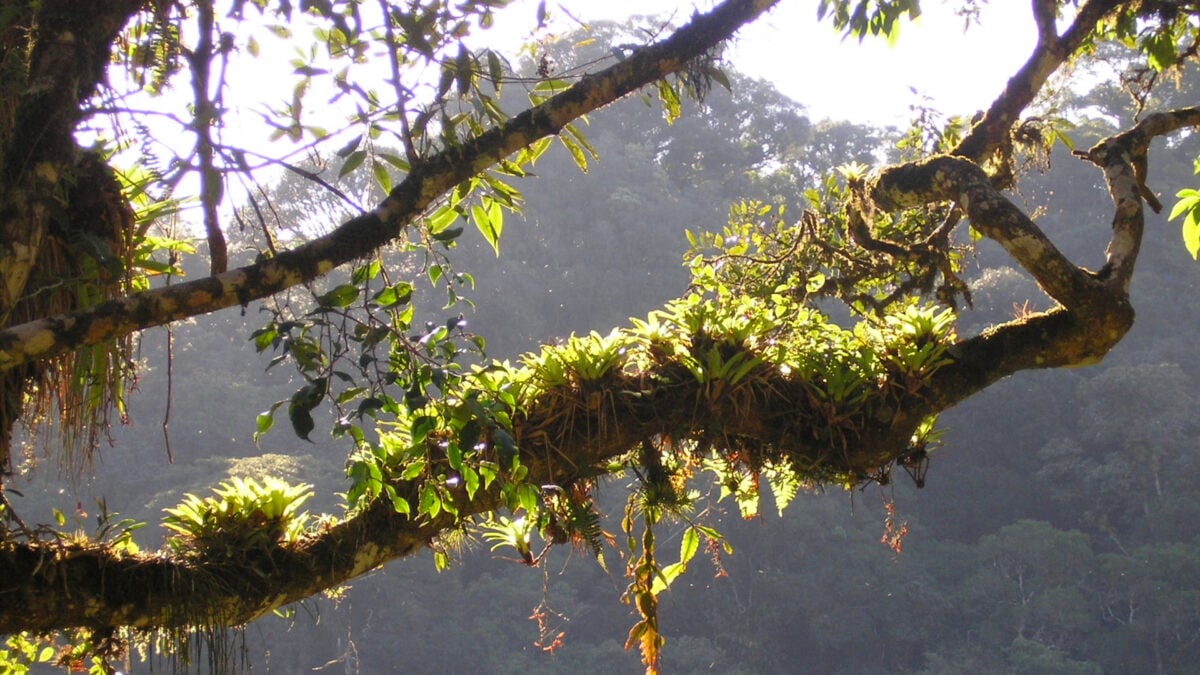
Investigadores que trabajan en la Mata Atlántica de Brasil han identificado un compuesto vegetal que parece neutralizar el Covid-19 a través de más de un punto débil viral, un hallazgo que podría ser importante porque muchos antivirales actúan sobre una sola diana. El trabajo se centra en Copaifera lucens Dwyer, una especie de árbol que se encuentra en la Mata Atlántica, un bioma de selva tropical a lo largo de la costa oriental de Brasil que aporta enormemente a la biodiversidad del país.
Según el informe proporcionado, un equipo internacional de biólogos, inmunólogos y químicos farmacéuticos descubrió que extractos de hojas del árbol contienen ácidos galoilquínicos capaces de desactivar el SARS-CoV-2 mediante lo que los investigadores describieron como un modo de acción multidirigido. Esto importa porque un tratamiento que interfiera con varios componentes virales a la vez puede ser más difícil de evadir por el virus mediante mutaciones.
Por qué destaca el mecanismo
El proyecto fue coordinado por Jairo Kenupp Bastos, de la Facultad de Ciencias Farmacéuticas de Ribeirão Preto de la Universidad de Sao Paulo. En el material de origen, Bastos contrastó el hallazgo con las limitaciones de muchos antivirales existentes, que solo apuntan a una proteína viral. Sostuvo que un mecanismo más amplio podría reducir la probabilidad de que surja resistencia a medida que el virus evoluciona.
El equipo de investigación informó que una configuración, 3,4,5-tri-galloylquinic acid, mostró una fuerte afinidad de unión por el dominio de unión al receptor de la proteína espiga del coronavirus. Esa es la estructura que el virus utiliza para adherirse a las células humanas. El texto de origen también dice que los compuestos fueron evaluados con ensayos de neutralización por reducción de placas, descritos allí como un método de referencia para medir el potencial antiviral.
En términos prácticos, el hallazgo sugiere que las moléculas derivadas de plantas podrían interferir tanto con la maquinaria que el virus usa para entrar en las células como con otras enzimas necesarias para la replicación. Si eso se confirma en trabajos posteriores, el descubrimiento sería notable no solo para el Covid-19 sino también para la búsqueda más amplia de antivirales que sigan siendo útiles a medida que cambian las variantes.

Parte de una cadena más amplia de productos naturales
Los compuestos pertenecen a una clase de taninos, bioquímicos familiares en sustancias como las hojas de té y el vino tinto. Según se informa, los investigadores identificaron seis subcategorías de ácido galoilquínico tras procesar muestras de hojas secas y tratadas, y utilizar métodos de espectroscopia ultravioleta para caracterizarlas.
La fuente también señala que estos ácidos galoilquínicos han mostrado inhibición del VIH-1 y tienen propiedades antivirales y antifúngicas conocidas. Eso no significa que la planta esté lista para convertirse en un medicamento, pero sí sugiere que la química es biológicamente activa de formas que merecen seguir investigándose.
El descubrimiento de fármacos a partir de productos naturales ha dependido durante mucho tiempo exactamente de este tipo de pista: un compuesto aislado de un entorno con gran biodiversidad, seguido de pruebas cada vez más precisas para determinar si puede desarrollarse en una terapia segura y fabricable. La diversidad vegetal de Brasil lo convierte en un lugar especialmente rico para estas búsquedas, y el informe destaca que este hallazgo no proviene del Amazonas sino de la menos reconocida internacionalmente Mata Atlántica.
Qué muestra y qué no muestra el estudio
El texto proporcionado respalda un resultado prometedor en laboratorio, no un tratamiento terminado. Indica que los compuestos neutralizaron el virus e interactuaron con fuerza con dianas virales, pero no aporta pruebas de beneficio clínico en humanos. Aún habría que responder preguntas sobre dosis, toxicidad, fabricación y eficacia en organismos vivos.
Aun así, el trabajo pone de relieve una dirección estratégica en el desarrollo antiviral. En lugar de diseñar fármacos que dependan de una sola interacción molecular tipo llave-cerradura, los investigadores están cada vez más interesados en candidatos que puedan presionar a los virus desde varios ángulos a la vez. En el caso del SARS-CoV-2, eso podría resultar especialmente valioso si nuevas variantes siguen alterando la proteína espiga u otras estructuras críticas.
Por ahora, la importancia principal es científica: un árbol brasileño poco conocido ha producido un indicio molecular creíble, y el mecanismo descrito en la fuente sugiere por qué atrajo atención internacional. En un campo donde la evolución viral socava repetidamente las terapias demasiado estrechas, un compuesto multidirigido de la selva tropical es el tipo de resultado que merece un seguimiento estrecho.
Este artículo se basa en un reportaje de Gizmodo. Leer el artículo original.
Originally published on gizmodo.com