
E-fuels for cars face a steep affordability test
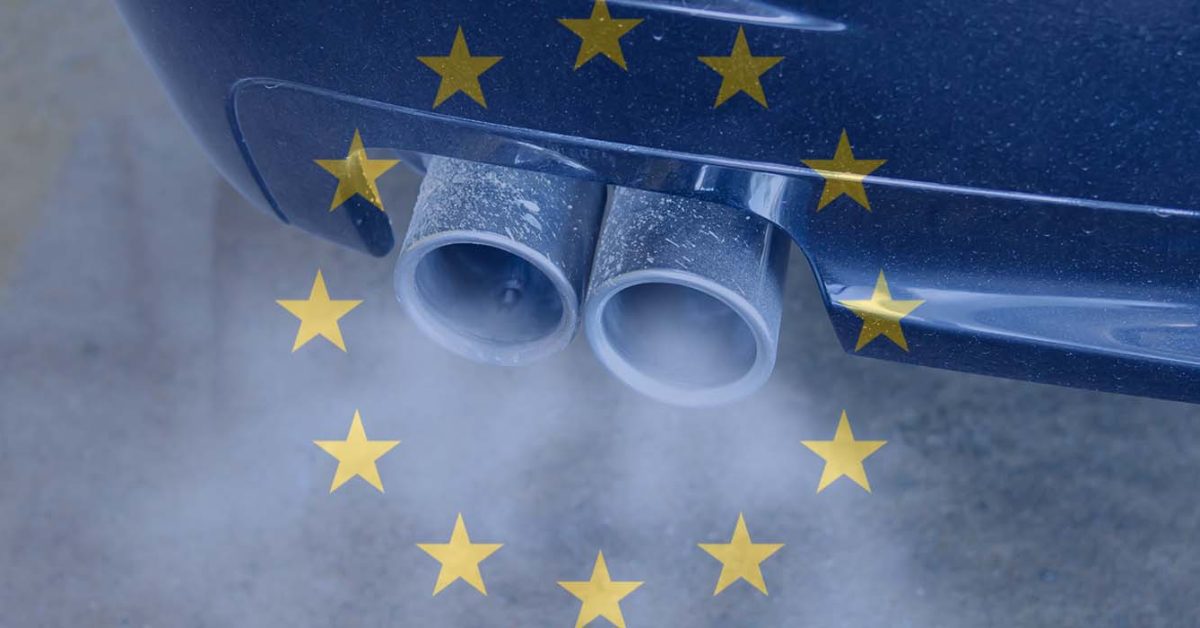
A new analysis feeding into Europe’s car-emissions debate argues that synthetic gasoline is unlikely to become a practical fuel for ordinary drivers in the near term. According to an independent study commissioned by Transport & Environment and carried out by consultancy Ionect, producing e-petrol for cars in 2030 would cost about €4 per litre. By the time that fuel reaches drivers, the report says, pump prices would land near €7 per litre.
That comparison is the central reason the study concludes e-petrol should not be treated as a realistic mass-market substitute for electrification in passenger vehicles. The report contrasts those projected prices with fossil petrol at under €2 per litre and argues that electric mobility remains the lower-cost route for decarbonizing cars.
Why this matters now
The timing is important because e-fuels have moved from a niche engineering topic into an active policy argument. Supporters present synthetic fuels as a way to reduce emissions while preserving combustion-engine vehicles. That has made them relevant to discussions over car CO2 rules and the future shape of the European auto market.
The new study is aimed squarely at that policy window. It seeks to provide what T&E describes as an updated evidence base for lawmakers deciding whether synthetic fuels deserve formal credit inside future vehicle regulations. Its conclusion is blunt: even if e-petrol can be produced, it is likely to be too expensive, too limited in volume, and too weak on local air-pollution benefits to justify a central role in passenger-car policy.
The co-product argument comes under pressure
One of the most common arguments in favor of e-petrol for cars is that aviation’s eventual scale-up of e-fuels could create useful co-products for road transport. In that view, fuel made as part of a larger aviation fuel system could become more available and more affordable for drivers than dedicated production for cars alone.
Ionect’s findings challenge that assumption. The study says e-petrol derived from aviation e-fuel co-products would actually be more expensive than making e-petrol directly for cars. That undercuts one of the stronger narratives used to defend synthetic fuels for road use: that passenger vehicles could take advantage of spare output from another sector’s decarbonization push.
The report also disputes the scale of that opportunity. T&E estimates that any e-petrol volumes generated as aviation co-products would amount to less than 3% of the fossil petrol consumed by European cars in 2035. Even if the co-product route worked technically, the implied supply would be marginal relative to the size of the market it is supposed to serve.
Alternative uses and avoidable output
The study makes a second argument that further weakens the case for road use. It says co-products from aviation e-fuel production are not inevitable. According to the report, they can be avoided entirely with an additional production cost of around 10%. That means future aviation fuel systems do not necessarily have to create a stream of cheap e-petrol for cars.
Where co-products do exist, the analysis suggests they could be directed elsewhere. One alternative named in the source material is the chemicals sector, including plastics. In other words, even limited synthetic fuel output may face competition from uses that are not tied to passenger transport.
This matters because decarbonization policy increasingly depends on matching scarce low-carbon resources to the sectors where they produce the highest system value. If synthetic fuels remain expensive and constrained, regulators may decide they belong in parts of the economy that are harder to electrify rather than in everyday cars.
The regulatory fight behind the numbers
The European Commission has proposed a compensation mechanism inside car CO2 regulation that would reward carmakers with lower CO2 targets for biofuels and e-fuels placed on the market by fuel suppliers. T&E is urging lawmakers to remove that proposed fuel-credits mechanism.
The group’s argument is that such credits would raise the cost of decarbonization for both industry and consumers while delaying the transition toward electric mobility. Based on the study it commissioned, T&E says there is no credible economic case for using e-petrol in cars, and no air-quality justification either, since the fuel does not eliminate tailpipe pollution.
That position does not settle the wider debate, but it does sharpen it. Policymakers are not only being asked whether synthetic fuels can exist. They are being asked whether limited public and industrial capital should support them for passenger cars when cheaper electric options already exist and when other sectors may have fewer alternatives.
What the study changes
The report does not argue that e-fuels are technically impossible. Its claim is narrower and more consequential: for cars, the economics and likely supply outlook remain poor enough that they should not shape mainstream policy. If that view gains traction, synthetic fuels may increasingly be framed as a specialty solution for hard-to-electrify applications rather than a broad rescue path for combustion-engine cars.
That would have implications for automakers, fuel suppliers, and regulators alike. Carmakers lobbying for flexible compliance routes could face a harder road if the cost case for e-petrol keeps deteriorating. Fuel producers would still have incentives to pursue synthetic molecules, but potentially for aviation and industrial feedstocks before road transport. And European lawmakers would face a clearer choice between subsidizing optional complexity and doubling down on the electrification pathway already gaining market scale.
For now, the study’s message is straightforward. In the policy imagination, e-petrol can sound like a clean drop-in replacement that preserves today’s vehicles and habits. In the numbers presented here, it looks more like an expensive niche product with limited volumes and a weak case for mass adoption.
This article is based on reporting by CleanTechnica. Read the original article.
Originally published on cleantechnica.com




