A major German solar project has cleared a key hurdle
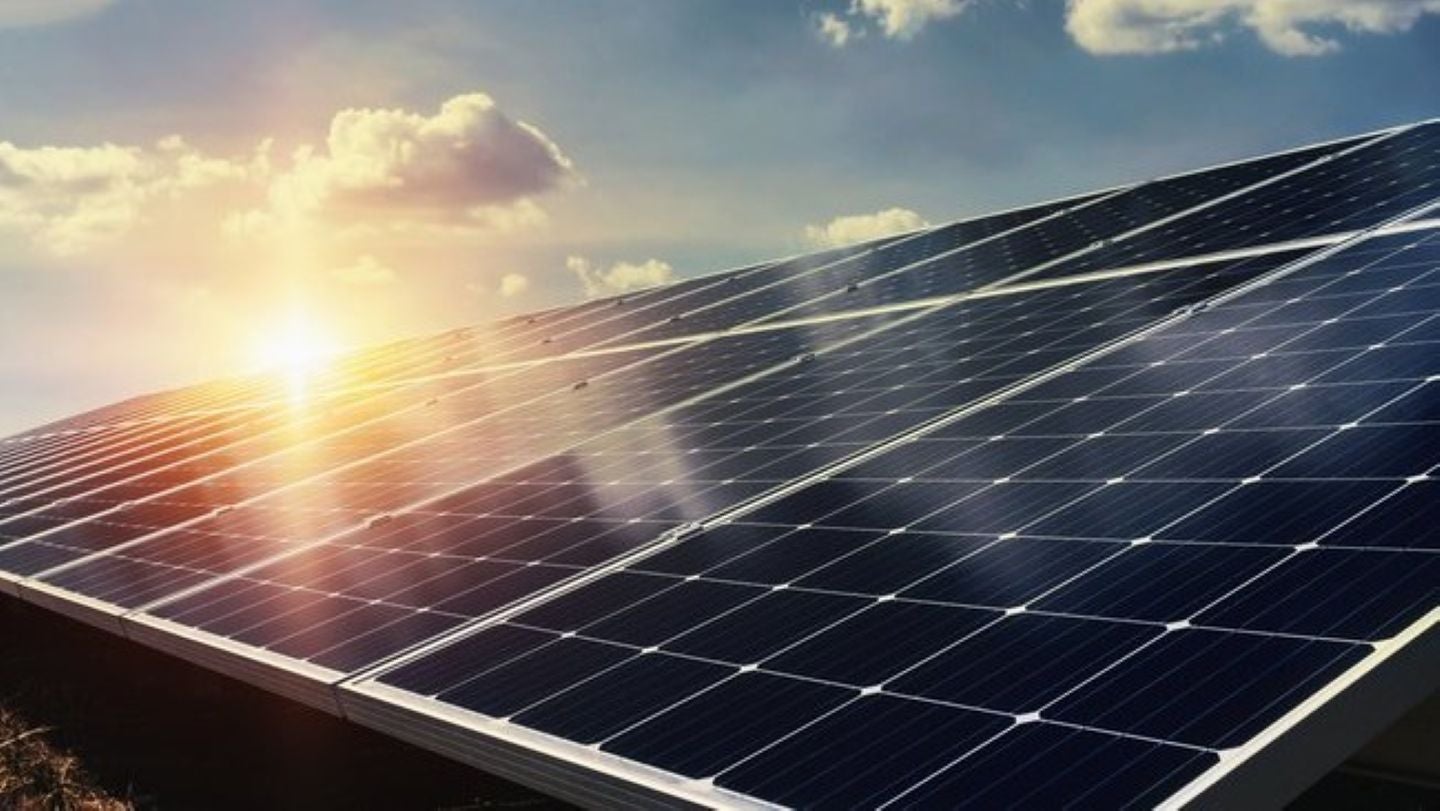
Blue Elephant Energy has secured financing for the Schafhöfen solar park, a 268-megawatt-peak ground-mounted project in Bavaria’s Regensburg district. The financing, provided by Commerzbank as sole debt provider, marks a significant step for a development that is expected to become the largest photovoltaic installation in Bavaria and the second-largest in Germany once completed.
In a period when renewable energy growth increasingly depends on financeability as much as technology, the closing matters beyond a single site. Utility-scale solar projects can be delayed or derailed by cost inflation, policy shifts or revenue uncertainty. A final financing package is therefore one of the clearest indicators that a project has moved from ambition toward delivery.
Scale, output and timeline
The solar park will be located in the municipality of Mötzing and span roughly 200 hectares. According to the source text, the plant is expected to generate around 300 gigawatt-hours of renewable electricity annually. That would be enough to supply about 100,000 homes each year while avoiding roughly 103,000 tonnes of carbon dioxide emissions.
Blue Elephant Energy is targeting full commissioning by September 2027, and the project is expected to deliver clean electricity for at least 30 years. Those figures put the project firmly in the category of long-life infrastructure rather than a short-cycle development play.
In practical terms, the Schafhöfen project is large enough to matter for both regional supply and the broader signal it sends to the German market. The size alone makes it notable, but the structure behind it is just as important.

Why the financing structure matters
Commerzbank is acting as the sole debt provider, giving the project a straightforward financing anchor at a time when lenders remain selective about exposure to large infrastructure assets. The source material frames the deal as both a milestone for Blue Elephant Energy and a statement of support for renewable expansion in Germany.
That support is easier to understand when viewed against today’s market conditions. Financing decisions for renewable projects are increasingly tied to long-term revenue visibility and confidence that development risks have been contained. Solar may be a mature technology, but project economics still depend heavily on debt availability, power pricing assumptions and contractual stability.
A rail power agreement helps lock in revenue
One of the project’s strongest features is that a significant portion of its electricity output has already been secured through a long-term power purchase agreement with DB Energie. That agreement will feed Deutsche Bahn’s environmentally focused traction network, creating a clear offtake path for part of the plant’s production.
This is a crucial detail. Long-term PPAs reduce merchant exposure and help transform a renewable asset from a speculative development into a bankable infrastructure project. For lenders, that kind of revenue certainty can be fundamental. For the energy transition more broadly, it also shows how transport electrification and renewable generation are becoming more tightly linked.
The agreement was announced in December 2025, and the source notes that it contributed directly to the finalization of project financing. In other words, the offtake deal was not just a commercial extra. It was part of the foundation that made the debt package workable.
Germany’s solar build-out is entering a scale phase
The Schafhöfen project also reflects the next stage of Germany’s renewable build-out. Earlier phases of the transition established solar as a mainstream technology. The challenge now is scaling larger projects, integrating them into the grid and securing stable financing under increasingly complex market conditions.
Projects of this size are especially revealing because they sit at the intersection of land use, grid planning, corporate offtake and capital markets. If they progress smoothly, they strengthen confidence in the broader pipeline. If they stall, they can expose structural friction in the market.
By reaching financing close, Schafhöfen has passed one of the most difficult checkpoints. The project still has to be built and commissioned on schedule, but the probability of delivery is materially stronger than it was at the concept stage.
What the project signals for the market
The immediate story is straightforward: one of Germany’s largest solar projects now has debt financing in place and a timetable toward full commissioning in September 2027. But the larger significance lies in what that says about investor appetite and infrastructure demand.
Big renewable projects are still attracting institutional lending when they combine scale, credible partners and long-term revenue support. That matters in Germany, where the energy transition increasingly depends not just on adding capacity, but on proving that major assets can still be financed and executed in a disciplined way.
If completed as planned, Schafhöfen will stand as both a large solar installation and a case study in how the next wave of utility-scale renewables gets built: with long-duration output expectations, commercial offtake agreements and financing structures designed to turn policy ambition into operating generation.
This article is based on reporting by Energy Monitor. Read the original article.
Originally published on energymonitor.ai