The number is huge, but the bottleneck is practical
The global power generation pipeline has reached a scale that would have looked improbable a decade ago. According to the source material, prospective project value outside oil and gas now stands at roughly $8.09 trillion, spanning solar, wind, hydropower, nuclear, gas and enabling infrastructure. On its face, that figure suggests extraordinary momentum behind global electricity investment and the broader energy transition.
But the most important detail is not the headline total. It is where the projects sit. Nearly 63.8% of the value remains in pre-planning or planning, while only 22.5% is already under execution. That gap between announced ambition and real construction is where the market’s next phase will be decided.
The challenge has shifted from vision to conversion
For years, the defining question in power was whether governments, utilities and investors would commit enough capital and policy support to replace aging systems and expand cleaner generation. In many regions, that question has been answered at least partially with a yes. There is now a substantial pipeline across technologies and geographies.
The harder question is whether those projects can move through the sequence that actually turns a concept into power on the grid: permitting, grid connection, financing, procurement, contracting and execution. The source text frames this as a buildability test, and that description is apt. Capacity is not delivered by intention alone. It is delivered by institutions and supply chains that can absorb risk and keep schedules intact.

Renewables dominate the pipeline, but integration is now the constraint
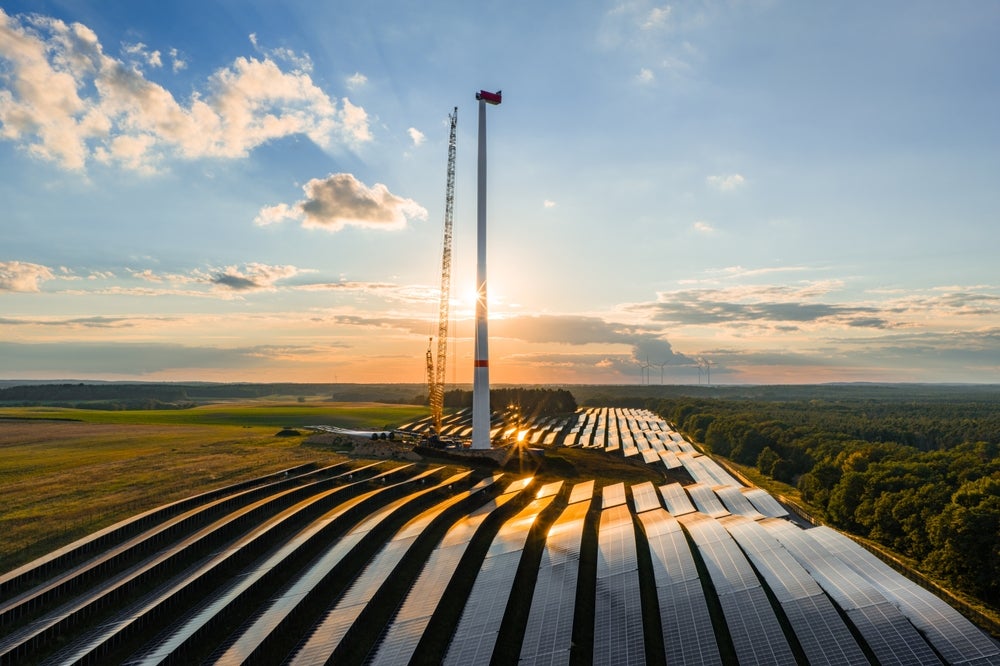
The makeup of the pipeline confirms where the sector is headed. Wind accounts for about 40% of total value, or $3.21 trillion, with an estimated 1,834 gigawatts of new capacity. Solar photovoltaic projects represent 16%, or $1.30 trillion, with 1,329 gigawatts. Hydropower adds another 15%, or $1.18 trillion, and 810 gigawatts.
Those figures show that renewables are no longer an edge case in global power development. They are the center of the pipeline. But dominance in project volume does not remove the harder system problem. As more intermittent generation is planned, integration becomes the real constraint. Power systems need grid upgrades, transmission planning, storage, dispatchable support and clearer rules for sequencing what gets built when.
In other words, project counts and capital values can grow faster than infrastructure readiness. That mismatch is where delays begin.
Costs, growth and supply chains are complicating the handoff to construction
The source material identifies several pressures already reshaping project economics: sluggish global growth, higher energy and construction costs, and continued supply chain disruption. These pressures matter not simply because they raise budgets, but because they change behavior across the value chain.
Developers face more uncertainty about final costs. Investors examine regulation and revenue stability more closely. Contractors widen contingencies to protect against inflation, late equipment delivery or missing components. A project that looked bankable under one set of assumptions can become fragile if grid timelines slip or key hardware becomes harder to secure.
This is why the source argues that the market is now being decided at the stage gate. Moving a project from early planning into execution demands more than broad optimism about long-term demand for electricity. It requires confidence that real-world risks have been priced, permissions obtained and critical equipment sourced.

The cheapest option is no longer automatically the most attractive
One of the more revealing implications of this environment is the changing value of certainty. In periods of relative stability, owners can prioritize the lowest bid and expect the system to absorb normal friction. In a tighter, more volatile market, the lowest sticker price may be less appealing if it cannot survive inflation, transformer shortages, regulatory delays or labor constraints.
That changes how clients evaluate developers, contractors and equipment suppliers. Reliability of delivery becomes a strategic differentiator. So does the quality of contracting and the realism of schedules. In practical terms, the industry may be moving toward a market where credible execution is more valuable than aggressive assumptions.
Why the next phase of the transition could feel slower, even if it is larger
There is a paradox in the current moment. The energy transition can be both more ambitious and more difficult at the same time. The project pipeline is deeper than before, but each additional layer of scale increases pressure on grids, supply chains, permitting systems and finance. That means visible progress may not always track with the apparent size of the opportunity.
Some projects will advance quickly. Others will remain stuck in development longer than expected, or become uneconomic under revised assumptions. The gap between pipeline and delivery is therefore not a sign that demand is weak. It is a sign that implementation has become the decisive battlefield.
The industry’s real task is execution discipline
The central message in the data is not that the world lacks energy ambition. It is that ambition is now abundant enough to expose every operational weakness in the system. A trillion-dollar pipeline does not guarantee capacity additions unless the market can convert plans into buildable assets at scale.
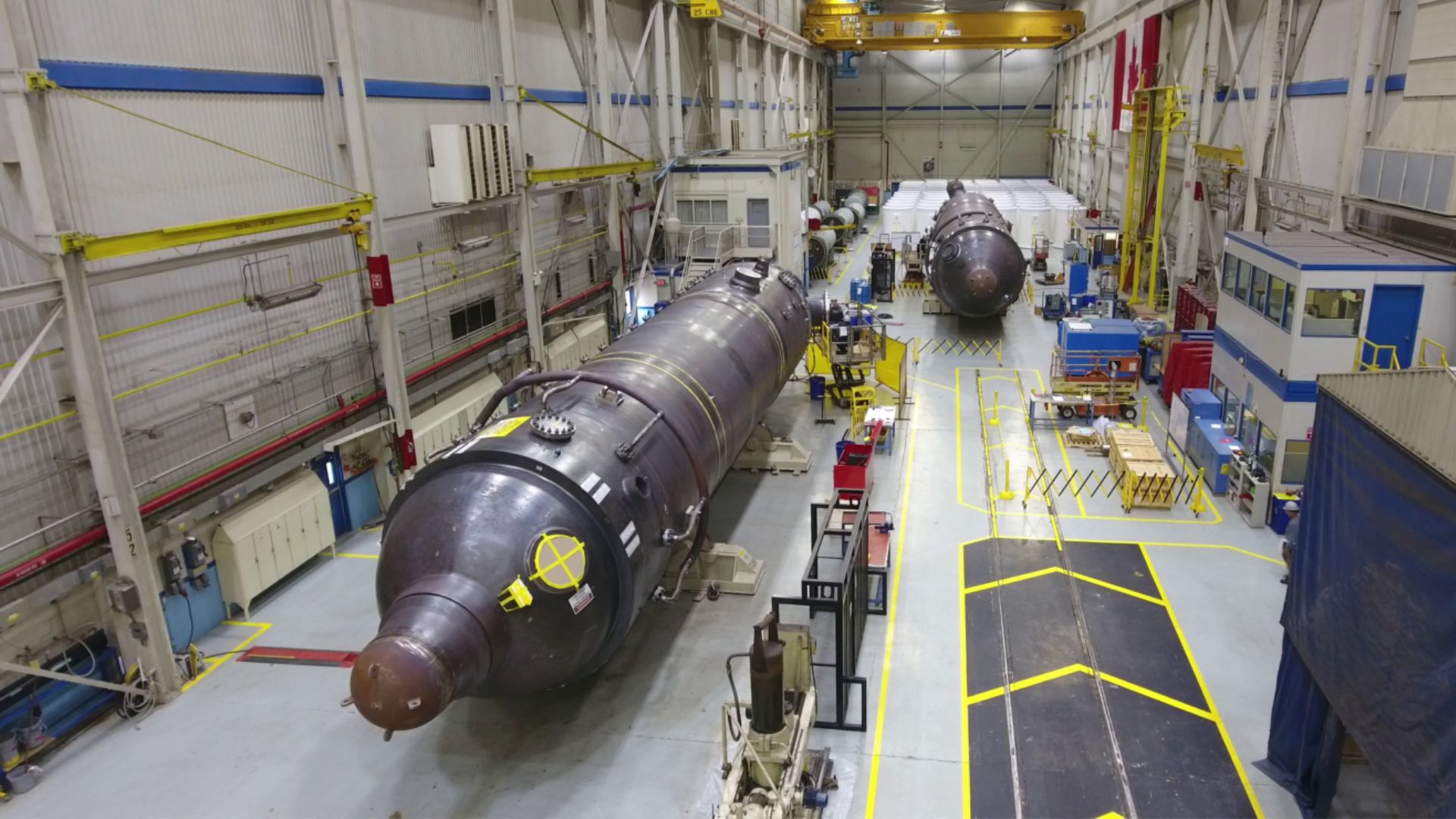
That places a premium on the less glamorous parts of the transition: grid agreements, permitting reform, supply-chain resilience, bankable contracts and disciplined project management. Those are not side issues anymore. They are the main determinants of whether the power build-out materializes.
The global pipeline shows that capital and intent are lining up behind a transformed electricity system. The next test is simpler and harder at once. Can the industry build what it has promised? Right now, that is the question that matters more than the size of the headline number.
This article is based on reporting by Energy Monitor. Read the original article.
Originally published on energymonitor.ai




