Vehicle fire recalls are growing, but the biggest target is not EVs
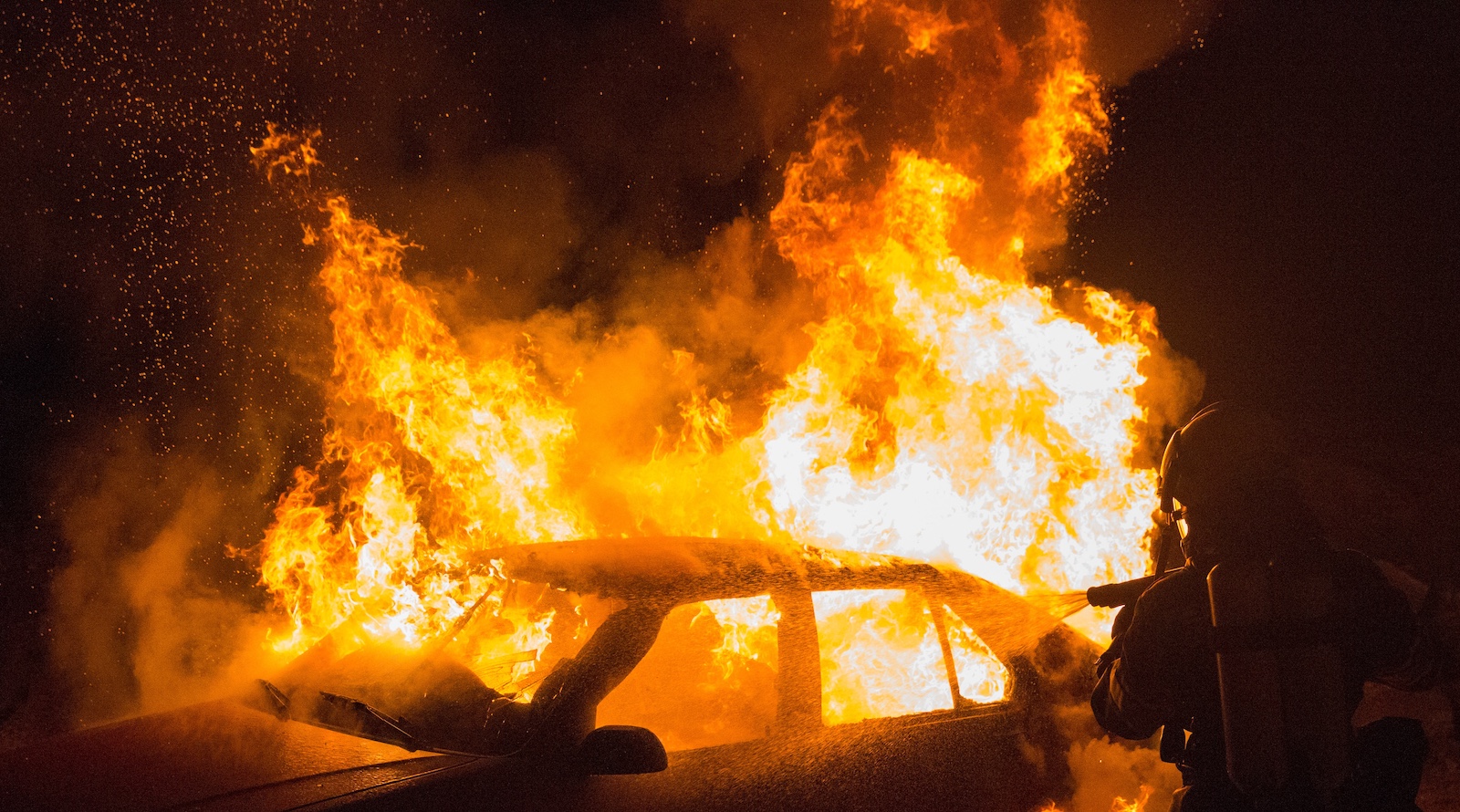
Public anxiety about electric-vehicle fires has been easy to understand for years. Highly visible videos of burning battery packs, repeated headlines about first responders learning new suppression tactics, and a steady stream of social media arguments helped cement the idea that parked EVs are a uniquely dangerous fire risk. But the latest recall picture described in reporting cited by CleanTechnica points in a different direction: the overwhelming share of U.S. vehicles currently under a “park outside” safety warning are conventional gasoline and diesel models, not battery-electric cars.
The key figure is large enough to reset the discussion on its own. According to an analysis by CarFax cited by The Washington Post, there are currently 3.2 million vehicles in the United States tagged with a “park outside” warning. These notices tell owners to keep vehicles away from homes and structures because of the risk of a fire while the vehicle is parked. That is a significant safety issue regardless of propulsion type, but the surprising part is where most of the risk is coming from.
Instead of battery packs dominating the tally, the source text says most of these warnings involve internal-combustion vehicles. The Washington Post’s review of National Highway Traffic Safety Administration recall notices found that conventional gas and diesel vehicles accounted for the vast majority of vehicles covered by “park outside” labels since 2021. The trend has also intensified. Federal authorities announced 17 new “park outside” recalls in the first seven months of 2026, covering 1.7 million vehicles. That already makes 2026 the second-highest year by number of affected vehicles since this category of recall began more than a decade ago.
Why parked-vehicle fire risk is shifting
The explanation offered in the source material is less dramatic than the public narrative around EV fires, but potentially more consequential because it reaches across far more vehicles. Sean Kane, president of Safety Research and Strategies, told The Washington Post that the issue is a messy mix of causes linked to the growing number of electronic systems and components in modern cars. The important point is that many failure pathways now involve “always on” electronics that remain active even when a vehicle is parked.
That matters because modern vehicles, including combustion models, are packed with modules, sensors, controllers, and power-management hardware that continue operating or remain energized after shutdown. The source text does not reduce the problem to a single defect pattern. Instead, it points to complexity itself as a risk multiplier. As cars add more electronics, more features, and more component interactions, the number of ways a parked vehicle can experience an electrical fault appears to rise as well.
This is one reason the debate can easily drift out of proportion. A battery fire is visually striking and politically loaded, so it attracts disproportionate attention. But a recall system based on real incident risk has to look at all vehicles, all architectures, and all causes. The emerging picture in the supplied reporting suggests that the biggest practical issue for parked-fire warnings in the U.S. market is not a narrow EV problem. It is a broader modern-vehicle reliability and safety problem that heavily includes combustion platforms.
How perception diverged from the recall data
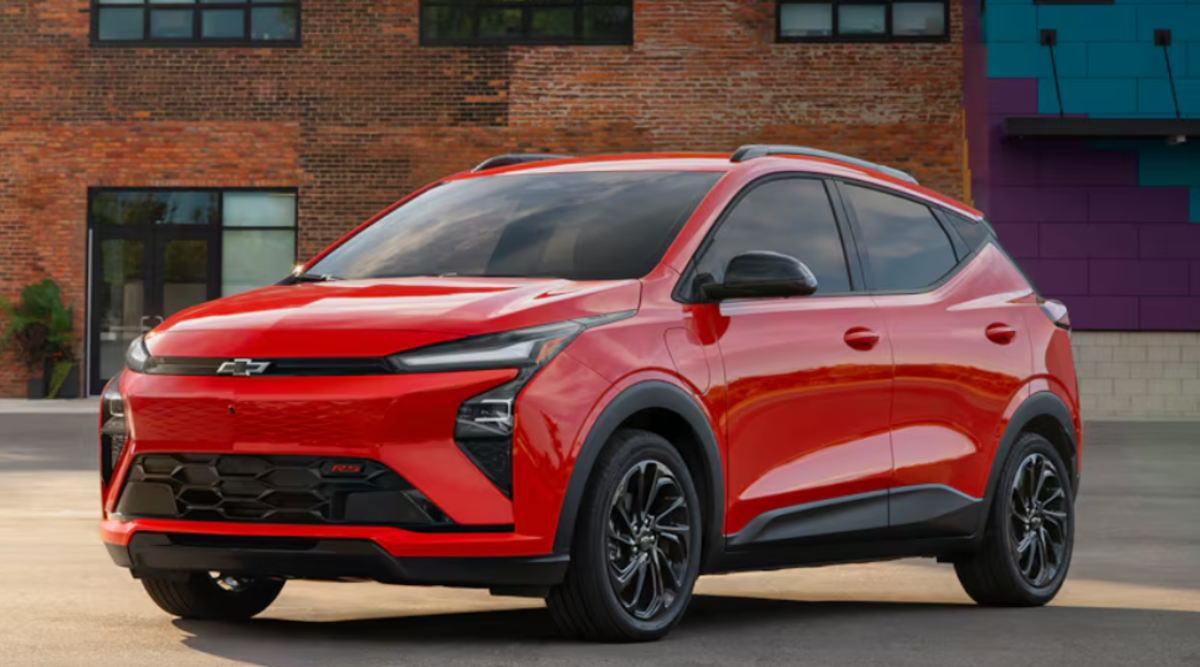
The CleanTechnica source text explicitly contrasts public perception with the official recall pattern. It notes that widely shared footage of early Tesla fires became a major factor in anti-EV attitudes, with battery incidents treated as evidence that electric cars were broadly unsafe. Yet the same source text points out that only about a dozen first-generation Chevrolet Bolt battery fires were involved in the well-known episode that ultimately cost General Motors and LG Chem more than $1 billion.
The argument is not that EV fires do not matter. Any vehicle fire matters, and regulators clearly act when a specific battery defect creates unacceptable risk. The more useful takeaway is that the public has tended to absorb one type of fire risk as emblematic while missing a much larger ongoing category of warnings affecting conventional vehicles. If millions of owners are being told to keep cars outside due to possible spontaneous fires while parked, then the dominant safety conversation should follow the data rather than the most memorable videos.
That is especially relevant for housing policy, insurance assumptions, fleet management, and consumer behavior. The source text recalls how some homeowners’ associations moved to ban electric vehicles from properties during the peak of EV fire fears. If the recall landscape is now dominated by gas and diesel vehicles carrying similar or greater parked-fire concerns, blanket assumptions that EVs are the exceptional danger become harder to defend.
What this means for the industry
For automakers and suppliers, the lesson is uncomfortable but clear. Electrification is not the only major safety transition in the market. The rise of software-defined and electronics-heavy vehicles is changing risk profiles across the board, including for traditional drivetrains. A parked vehicle is no longer electrically dormant in the way many consumers intuitively imagine. As features proliferate, background systems and persistent power states can turn dormant time into an exposure window.
For regulators, the rising number of “park outside” notices suggests the category deserves more public visibility. These recalls are severe because they affect where owners can safely leave a car and whether it poses a hazard near homes, garages, and other buildings. For consumers, the most practical conclusion is simple: recall notices tied to parked-fire risk should not be treated as routine paperwork. If a manufacturer or NHTSA says to park outside, that is a serious instruction.
The bigger shift is cultural. EV safety remains an important subject, but the supplied evidence argues for a broader frame. Vehicle-fire risk in 2026 is increasingly a systems problem tied to the complexity of modern automobiles, and the largest current wave of “park outside” warnings is hitting the vehicles many drivers still regard as the familiar, low-drama default. That inversion may be the most important part of the story.
This article is based on reporting by CleanTechnica. Read the original article.
Originally published on cleantechnica.com