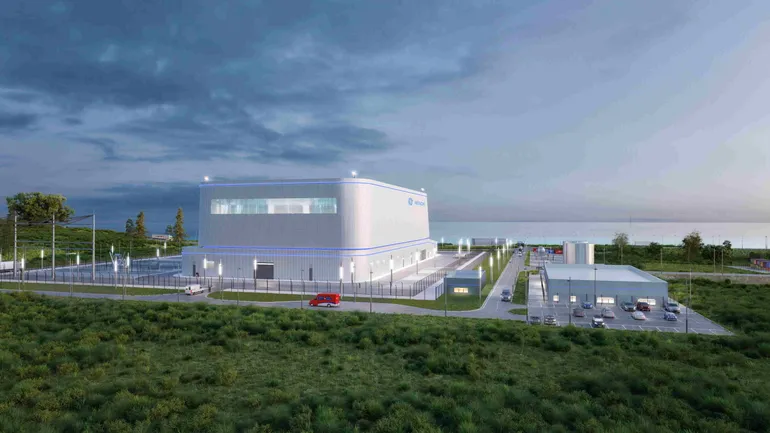
Ohio lawmakers are testing a new pathway for utility-backed nuclear power
A bill introduced in the Ohio House would allow electric utilities including American Electric Power and FirstEnergy to own nuclear power plants in a state that generally bars utilities from owning generation. The proposal would create a regulatory framework for such projects, but it is already drawing criticism from manufacturers who argue it could once again push financial risk onto customers.
The legislation arrives as utilities and policymakers search for ways to add firm power, support load growth and position nuclear energy as part of a broader strategy for reliability and energy independence. In Ohio, though, any effort to reopen the door to utility-owned generation carries extra political weight because of the state’s recent history with nuclear subsidy scandal.
What the bill would do
According to Utility Dive’s reporting, House Bill 862 would allow utilities to own nuclear plants under specific conditions. In general, the costs of a project would be paid only by a customer or group of customers that agree to buy the plant’s output under a long-term contract. The bill requires at least one retail participation agreement between the utility and a customer or customer group, with a minimum term of 20 years and a renewal option.
The project would also need both “financing” and “ratemaking” orders from the Public Utilities Commission of Ohio. Before issuing those orders, the commission would have to determine that the proposed nuclear project is needed to help Ohio become more energy independent and to ensure the utility has enough supply to meet its load forecasts.
In other words, the bill does not simply legalize utility ownership in the abstract. It tries to define a regulated pathway under which ownership would be tied to long-duration purchasing commitments and explicit state approval.
Why AEP is part of the conversation
The policy timing matters because AEP has been openly discussing nuclear development possibilities in other states where data center growth is driving power demand. During a May 5 earnings call, CEO William Fehrman said the company was actively reviewing potential sites and interconnection locations as it assessed how nuclear could support future load growth.
Fehrman also laid out the conditions AEP sees as necessary: strong capital protection, balance-sheet discipline and significant regulatory and governmental engagement, including items such as loan guarantees and long lead-time equipment support. That framework helps explain why a bill like Ohio’s could matter. It offers the possibility of a state regulatory structure that might align with the protections utilities say they need before making nuclear investments.
The opposition is drawing a direct line to House Bill 6
The Ohio Manufacturers’ Association has come out against the bill, warning that it revives what it called the “House Bill 6 playbook.” In the group’s view, the legislation would give monopoly utilities a route back into generation ownership while shifting risk to customers’ electric bills.
That criticism is not incidental rhetoric. In Ohio, references to the FirstEnergy bribery scandal tied to nuclear subsidies carry real force. Any proposal that touches utility-backed nuclear cost recovery is likely to be judged not just on its energy rationale but on whether its safeguards are strong enough to prevent a repeat of past failures.
The core policy dispute is easy to state even if it will be hard to resolve. Supporters can argue that nuclear projects require long horizons, structured regulation and durable customer commitments to get built at all. Opponents can argue that once monopoly utilities regain a foothold in generation ownership, ratepayer risk tends to expand faster than promised.
Why the bill matters beyond Ohio
The legislation is part of a wider national tension around how to finance next-generation nuclear development, especially in places trying to accommodate large new loads. Utilities see opportunity in nuclear power’s firm output, particularly where data-center growth is changing planning assumptions. But nuclear projects remain capital-intensive and politically sensitive, which means the legal structure around ownership and cost recovery often matters as much as the technology itself.
Ohio’s bill is therefore about more than one state’s generation rules. It is a test of whether policymakers can design a framework that invites utility participation in nuclear projects while convincing skeptical customers and industrial users that they will not become the backstop for excessive financial risk.
The proposal is still at an early stage. But it has already clarified the stakes: access to new nuclear capacity, utility ownership rights, regulatory oversight and the unresolved question of who pays if ambitious energy plans fail to deliver as promised.
This article is based on reporting by Utility Dive. Read the original article.
Originally published on utilitydive.com