Neoen is scaling up in Ireland with two new solar projects
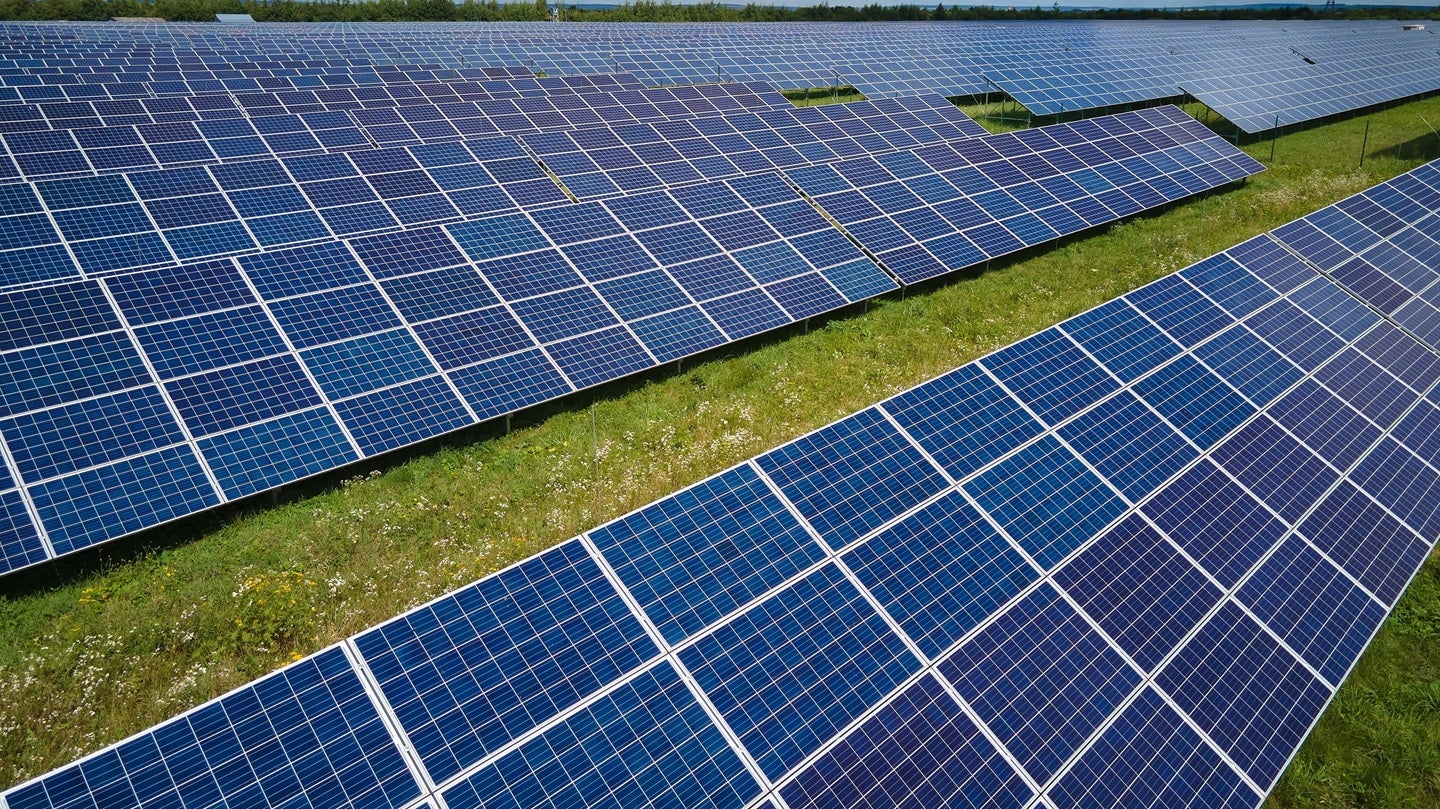
French renewable energy company Neoen has started construction on two solar farms in Ireland, adding 195MWp of planned solar capacity across County Offaly and County Wicklow. The projects are the 162MWp Garr Solar Farm and the 33MWp Johnstown North Solar Farm.
According to Energy Monitor, the new construction work nearly doubles Neoen’s regional energy capacity and raises the company’s total capacity in Ireland to 410MW across projects that are operational or under construction. In a market where electricity demand is rising and governments are pushing harder on decarbonization and energy security, that is a material expansion rather than a symbolic one.
Garr is positioned as one of Ireland’s largest solar installations
The larger of the two developments, Garr Solar Farm in County Offaly, is Neoen’s first project in that county and is expected to become one of Ireland’s biggest solar installations. It is planned to generate enough electricity to power more than 38,000 households while cutting carbon dioxide emissions by more than 51,000 tonnes each year.
The project will connect to Ireland’s transmission network, which is managed by EirGrid, and is expected to enter operation in 2029. Its scale is significant for Ireland because large projects connected at the transmission level can play an outsized role in changing the national generation mix, especially in systems that are still adding utility-scale solar from a relatively modest base.

Johnstown North adds a smaller but still meaningful contribution
In County Wicklow, the 33MWp Johnstown North Solar Farm is expected to provide electricity for 8,000 homes and reduce carbon dioxide emissions by more than 10,500 tonnes annually. It will connect to the distribution network run by ESBN and is scheduled to begin operating in 2028.
Though much smaller than Garr, Johnstown North still matters strategically. Combined portfolios are what shape national outcomes in electricity markets. Mid-sized projects connected across different parts of the grid can help increase supply, diversify generation, and support regional resilience.
Energy transition and energy sovereignty are moving together
Neoen group CEO Xavier Barbaro said the projects reflect the strength of the company’s Irish portfolio and its commitment to Ireland’s energy sovereignty and energy transition. That pairing of terms is notable. In Europe, renewable deployment is increasingly framed not only as a climate measure but also as a sovereignty issue tied to fuel imports, price volatility, and long-term system control.
The company also said the additional solar capacity should help relieve pressure on power prices over the long run. The source text does not quantify that effect, and price outcomes depend on wider market conditions. But the underlying argument is familiar: expanding domestic renewable generation can improve supply conditions and reduce exposure to external shocks.

The buildout is also a story about execution partners
Neoen selected Omexom to install the solar arrays and infrastructure for both sites, while TLI Group will manage substations and grid connections. Those contractor choices matter because execution risk remains one of the decisive factors in infrastructure delivery. Timelines for commissioning, interconnection, and construction coordination often determine whether announced capacity actually arrives when needed.
By naming the delivery partners up front, the project outline suggests the company is already well into the practical phase of turning awarded capacity into operating assets.
A broader Irish portfolio is taking shape
Neoen’s current portfolio in Ireland includes three operating solar farms totaling 58MWp, two more solar projects under construction awarded under RESS 2 totaling 104MWp, and eight operational wind farms with 53MW of capacity. The newest projects extend that presence further and indicate that Neoen is building a multi-asset renewable position rather than relying on a single technology or region.
That matters because Ireland’s electricity system is balancing several pressures at once: demand growth, decarbonization targets, grid integration needs, and cost concerns. Developers that can bring forward repeat projects at meaningful scale are likely to become more influential in shaping the pace of the transition.

Why these projects matter beyond their headline capacity
On paper, 195MWp is a straightforward capacity figure. In practice, it represents a larger signal about Ireland’s power system. It shows continued confidence from an international renewable developer, movement on utility-scale solar construction, and a growing tendency to frame clean-energy investment as part of national resilience.
If Garr and Johnstown North come online on schedule in 2028 and 2029, they will add new zero-fuel generation into a market where every increment of domestic supply has strategic value. For Neoen, the announcement deepens an existing foothold. For Ireland, it is another marker that solar is moving from supplementary role toward core infrastructure.
This article is based on reporting by Energy Monitor. Read the original article.
Originally published on energymonitor.ai