From Electric Vehicles to Artificial Intelligence
Bob Lee, president of North America for LG Energy Solution, recently explained how the company is repositioning itself in response to a rapidly changing energy landscape. The catalyst? Policy shifts and a slowdown in electric vehicle adoption have prompted the battery manufacturer to increasingly focus on energy storage systems (ESS) that serve the growing power demands of AI data centers.
The remarks, delivered during an episode of the Automotive News "Shift" podcast, reveal a strategic turning point for one of the world's leading lithium-ion battery producers. For years, LG Energy Solution has been a major supplier to automotive giants, powering EVs from various brands. But with the EV market hitting a rough patch, the company is redirecting its expertise toward a different, yet equally voracious, consumer of energy: the data center.
Why the EV Market Has Cooled
Electric vehicle sales, while still growing in absolute numbers, have failed to meet the sky-high expectations set earlier in the decade. Several factors have contributed to this slowdown. High interest rates have made new cars less affordable, charging infrastructure remains patchy, and range anxiety persists among consumers. In some markets, government incentives are being scaled back or revised, creating uncertainty for both buyers and manufacturers.
Policy shifts, in particular, have had a profound effect. Changes to tax credits, emissions mandates, and fuel economy standards can alter the economics of EVs almost overnight. When subsidies disappear or regulations are relaxed, the immediate appeal of an EV can diminish. Automakers, in turn, adjust their production plans, which ripples through the supply chain to battery makers like LG Energy Solution.
Policy as a Double-Edged Sword
While some policies have throttled the EV market, others are actively encouraging the deployment of grid-scale energy storage. Renewable energy standards, grid reliability mandates, and incentives for microgrids all create a favorable environment for ESS. This is a crucial point: the same policy forces that hurt the EV business may be stimulating the company's new venture. For LG Energy Solution, this juxtaposition is not lost. The company sees an opportunity to redeploy its battery technology into a market that is both policy-supported and technologically complementary.
The Explosive Growth of AI Data Centers
Artificial intelligence is not just a software phenomenon; it is a hardware and infrastructure one. Training models like GPT-4 or running inference at massive scales consumes staggering amounts of electricity. Data centers are becoming the cathedrals of the digital age, and they need unyielding power to operate. However, the power grid is not always reliable, and the intermittency of renewable energy sources like solar and wind means that storage is essential.
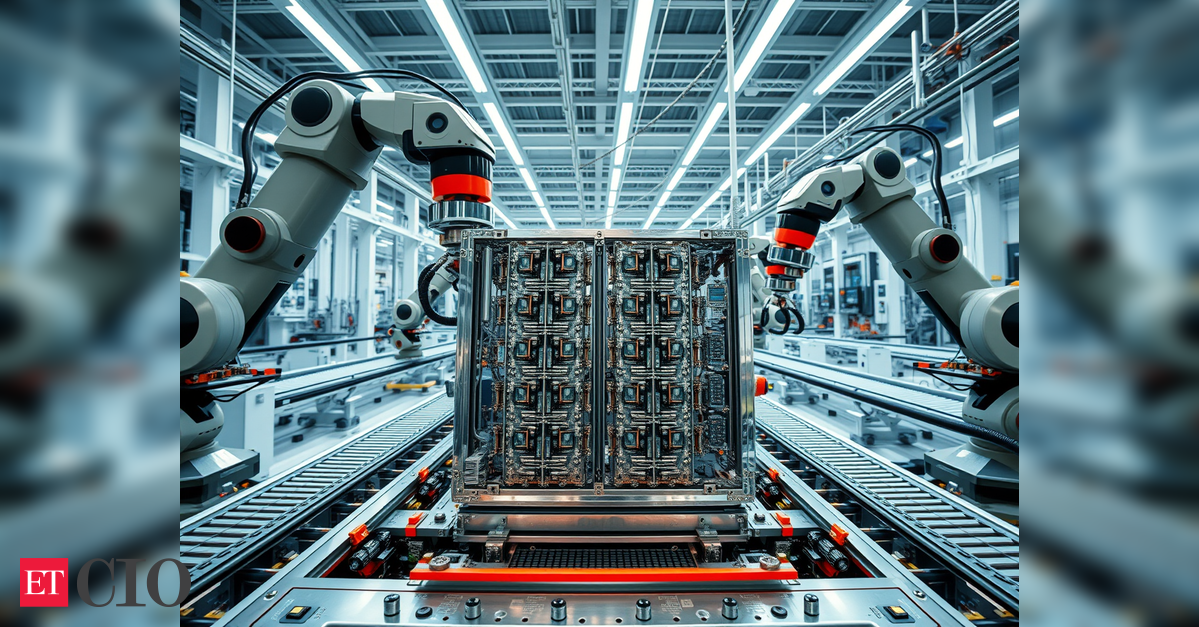
Energy storage systems provide the bridge between a grid that is increasingly green but variable, and data centers that demand 24/7 reliability. Lithium-ion batteries, with their fast response times and high energy density, are ideally suited for this role. LG Energy Solution’s pivot to this market is a natural fit, leveraging years of experience in battery chemistry, thermal management, and manufacturing at scale.
What Data Centers Need
Data centers require both backup power for outages and load leveling to smooth out peak demands. In many cases, they are also incorporating on-site renewable generation, which necessitates storage to capture excess energy. The scale of these systems is substantial—often multiple megawatt-hours—and they demand long lifecycle and robust safety features. LG Energy Solution’s automotive batteries are engineered for similar robustness, but the ESS application allows for different optimization parameters, such as cycle life over energy density.
The company's executives see a long-term opportunity, not just a short-term fix. As AI continues to evolve, the energy appetite of the digital economy will only grow. Data center operators are planning massive expansions, and they will need partners who can deliver reliable, cost-effective storage. LG Energy Solution aims to be that partner.
A New Competitive Landscape
Entering the ESS market for AI data centers puts LG Energy Solution in a playing field that includes both established energy companies and tech firms. It also intensifies competition with other battery makers, particularly from China. Yet, LG Energy Solution’s advantage lies in its established North American footprint, its relationships with major corporations, and its track record in quality and innovation. The company has already been supplying energy storage to utilities and commercial customers, but this pivot signals a strategic emphasis on the AI sector.
- Diversification: Reducing reliance on the volatile EV market by adding a new revenue stream.
- Synergy: Leveraging existing battery technology and manufacturing infrastructure.
- Innovation: Developing new battery solutions tailored for the high-demand data center environment.
Implications for the Automotive Industry
The shift is also a commentary on the current state of the EV transition. It does not necessarily mean the EV market is failing—rather, it suggests that the growth curve is more nuanced than once thought. Battery makers are adapting, and their agility is a testament to the versatility of the technology. For automakers, this could mean a shift in supply dynamics, as battery manufacturers allocate more capacity to stationary storage. This could impact battery availability and pricing for EVs in the near term, though LG Energy Solution’s move is strategic, not an abandonment.
Looking Ahead
Bob Lee’s insights paint a picture of a company that is not afraid to reinvent itself. The intersection of energy and data is becoming the new battleground for technological supremacy. As AI data centers multiply and the grid evolves, the demand for advanced energy storage will only intensify. LG Energy Solution’s pivot is not just about survival; it is about thriving in a world where energy storage is the lynchpin of both clean transportation and the digital economy.
The story of LG Energy Solution is a microcosm of the broader transition underway. It reminds us that technology companies must remain nimble, anticipating not just the next trend, but the one after that. By riding the wave of AI demand, LG Energy Solution is betting that the future of energy is not just in the car, but in the cloud.
This article is based on reporting by Automotive News. Read the original article.

Originally published on autonews.com