A New Bet on Industrial Autonomy
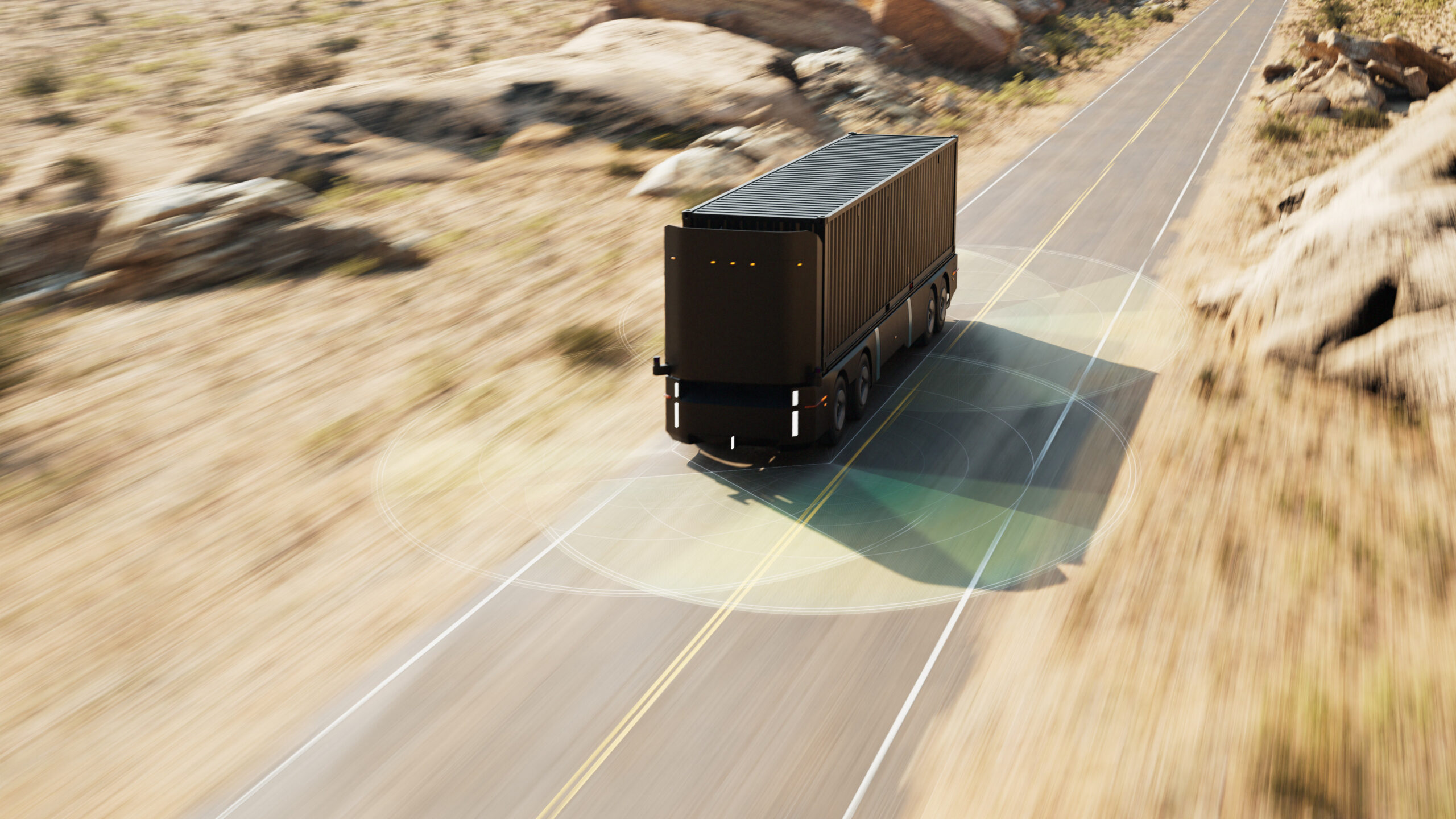
Humble has launched with a focused pitch for freight automation: a fully autonomous, cabless, electric Class 8 vehicle designed for controlled logistics settings rather than open highways. The company calls the machine the Humble Hauler and says it was designed from the ground up for modern freight operations in places such as warehouses, railyards, and seaports.
That choice of operating environment matters. Many autonomy efforts have aimed at long-haul trucking on public roads, where edge cases, regulation, and safety validation create a much harder path to commercial deployment. Humble is starting instead in structured industrial zones, where routes are repetitive, traffic patterns are more predictable, and operators are already under pressure to move cargo more efficiently.
Why Remove the Cab?
According to founder and CEO Eyal Cohen, eliminating the driver cab is not a styling decision. It is part of the company’s engineering logic. Removing the cab reduces weight, increases usable payload capacity, and simplifies a vehicle meant to be run by an autonomous system rather than a human driver.
Humble says the vehicle uses vision-language-action models to interpret its surroundings and make decisions in real time. The company’s description suggests it is trying to combine physical vehicle design and AI software in a single stack, rather than adapting autonomy to an existing truck platform. Humble also says it develops both the vehicle and the autonomy system in-house, which could give it tighter control over performance, safety behavior, and system integration.
Targeting the Middle of the Supply Chain
The startup is not presenting the Hauler as a universal freight solution. Instead, it is targeting short, repeated goods movements inside logistics networks. That includes moving cargo around ports, yards, and industrial facilities where shippers, manufacturers, and intermodal operators need consistent movement between defined points.
Those customers often care less about futuristic branding than about uptime, cost, and schedule reliability. Repetitive routes can be ideal for automation because they reduce variability while creating a large cumulative labor and fuel bill. If an electric autonomous vehicle can move loads predictably in those environments, the value proposition is straightforward: lower operating costs, lower local emissions, and fewer interruptions in tightly managed freight flows.
Payload, Power, and Operating Model
Humble says the Hauler can handle up to 82,000 pounds gross vehicle weight under federal limits for an electric Class 8 vehicle. It also says expected cargo payload should be higher than typical, depending on configuration. That reflects one of the more practical claims behind the cabless design: if less vehicle mass is devoted to a human-centered layout, more can be allocated to useful work.
The vehicle is fully electric and carries its own batteries. In the startup’s framing, electrification is the logical counterpart to autonomy. Electric drivetrains can be easier to control precisely, and for stop-start industrial routes they may offer an operating profile that fits short-haul freight work well.
Just as important is how the company plans to sell the system. Humble says it will offer the Hauler as a fully managed service, operating the vehicle itself and handling freight movement for customers. That means customers may be buying outcomes rather than buying trucks. For industrial operators that do not want to become autonomy integrators, that model could be more attractive than adopting a new class of vehicle on their own balance sheet.

The Broader Significance
Fleet electrification rarely gets the same public attention as consumer EV launches, but heavy-duty and industrial vehicles can produce outsized benefits when they switch away from combustion. Buses, garbage trucks, port movers, and freight haulers log demanding duty cycles and often operate close to population centers or workers. Cleaner operation in those contexts can reduce air pollution and cut energy use while improving operating economics.
Humble is entering a crowded field of companies trying to modernize goods movement, but its launch stands out for its deliberate narrowness. Rather than promising autonomy everywhere, it is starting where the business case and operating conditions may be most favorable. If the company can prove performance in ports, yards, and warehouses, that would give it a more credible expansion path than the broader autonomy promises that have struggled to arrive on schedule.
For now, Humble remains early-stage, and the real test will be whether conversations with supply-chain customers turn into deployments. Still, the launch reflects an important industry direction: the next wave of electrification may be less about private cars and more about the overlooked industrial systems that keep freight moving every day.
This article is based on reporting by CleanTechnica. Read the original article.
Originally published on cleantechnica.com