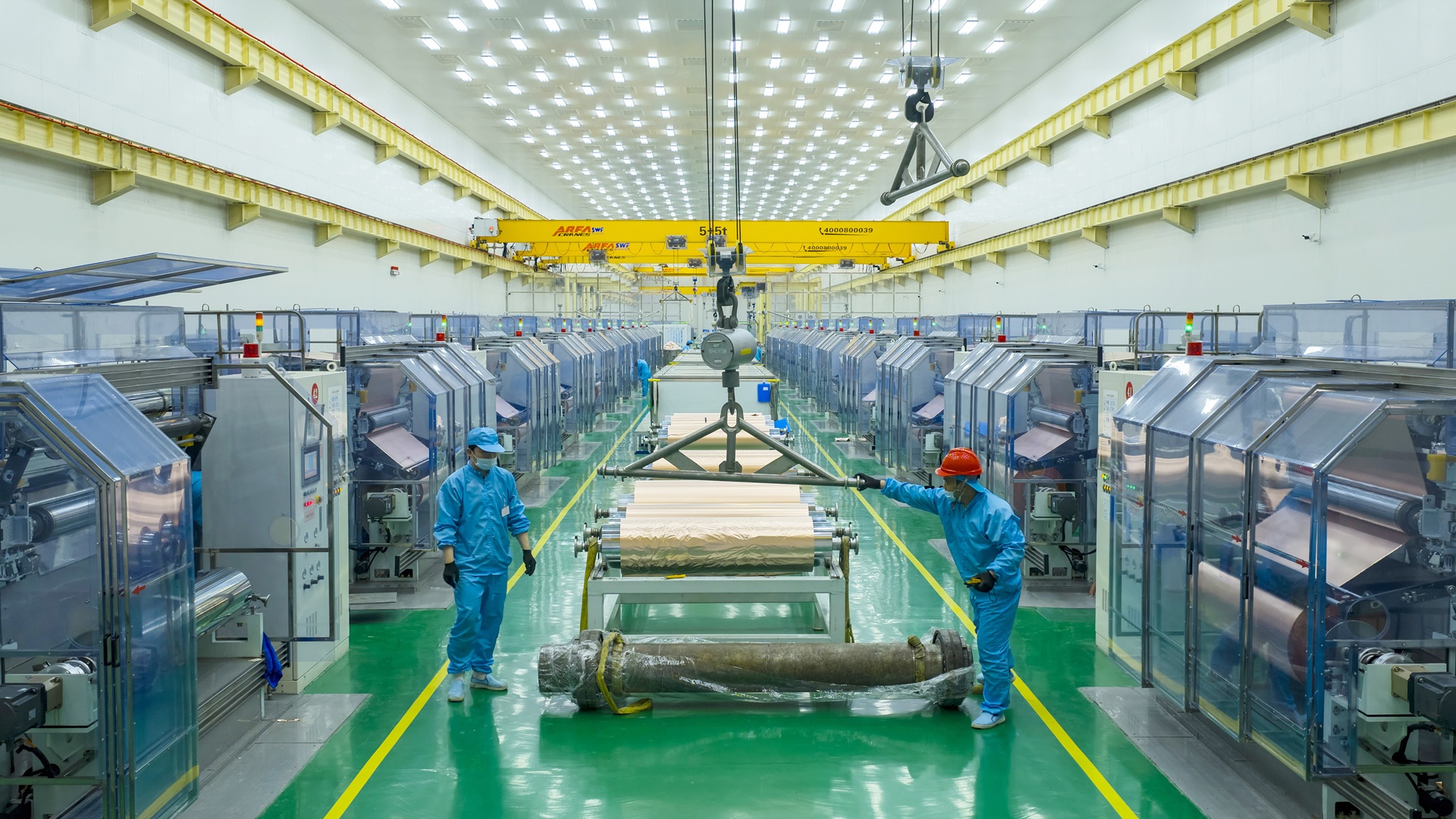
A manufacturing expansion with uneven execution
The rapid buildout of solar manufacturing in the United States is running into a harder problem than adding nameplate capacity: making panels consistently well. According to Intertek CEA’s 2026 Global PV Manufacturing Quality Report, cited by PV Magazine, yield rates vary dramatically across module factories, with mature Chinese firms nearing 100% and some U.S. outlier facilities falling as low as 30%.
The report paints a picture of an industry where expansion is outpacing process discipline. More than 70% of factories were rated in the lowest two audit tiers, C or D, during 2025 inspections, and none reached an A+. That does not suggest a sector in collapse, but it does suggest that much of the global production base is still struggling with repeatability, controls, and workmanship at the factory floor level.
Rework is masking deeper problems
One of the report’s central findings is that many defects emerge during the ramp-up period after a plant is built and again when facilities expand capacity. Instead of appearing immediately in final output numbers, those issues are often hidden by rework. In module manufacturing, rework can keep lines moving and salvage output, but it also obscures how unstable the underlying process may be.
Typical rework rates were described as roughly 10% to 15%, yet the outliers were far worse. PV Magazine reported that an Indian facility reached 56% in 2024 and a U.S. facility hit 62% in 2025. Numbers at that level point to operations that are not merely fine-tuning. They suggest repeated intervention, lost labor efficiency, yield erosion, and a much higher risk that inconsistent quality reaches downstream customers if controls slip.
Why soldering and process maturity matter
The article’s blunt headline about learning to solder reflects a broader industrial truth. Solar modules are often discussed as commodity products, but yield depends heavily on mundane production details: joining quality, thermal control, handling, inspection, and line experience. New plants can buy modern equipment, yet still struggle if staff training, process validation, and defect feedback loops are weak.
By contrast, long-established Chinese manufacturers benefit from repetition at scale. Near-100% yield does not only indicate better machinery. It signals mature operating routines, better process learning, and fewer disruptions when moving from pilot conditions to sustained high-volume production.

Why the U.S. result matters now
The United States has spent the past few years trying to rebuild domestic solar manufacturing capacity, partly for industrial policy reasons and partly to reduce dependence on imported supply. That effort is still strategically important, but the CEA findings show that capacity alone is not the same as competitive production. If yields are poor and rework rates remain high, domestic factories can struggle on cost, delivery, and bankability even when policy support is strong.
PV Magazine said the U.S. had the highest critical issue rate of any surveyed country. That is a significant warning for an industry that wants to scale quickly. A factory with frequent critical issues may still ship product, but the hidden cost shows up in labor, scrap, throughput losses, warranty exposure, and customer caution.
For developers and buyers, this kind of report also complicates procurement. A domestic label may satisfy policy or sourcing goals, but purchasers still need evidence that a given plant has stable yields and robust quality systems. In a market where financing and long-term performance matter, consistency can be as important as capacity announcements.
The next phase of solar industrial policy
The deeper takeaway is that solar industrial policy is entering a less glamorous stage. The first phase was about factory announcements, subsidies, and supply-chain geography. The second phase is about operational competence. That means training technicians, tightening quality audits, improving line controls, and shortening the learning curve at new plants.
There is nothing inevitable about the quality gap remaining where it is. Manufacturing know-how can be built. But the report suggests that some U.S. producers are still far from the performance levels needed to compete with mature global leaders on execution, not just on ambition. For a domestic solar sector that wants to be durable rather than symbolic, that is the real challenge now in view.
This article is based on reporting by PV Magazine. Read the original article.

Originally published on pv-magazine.com