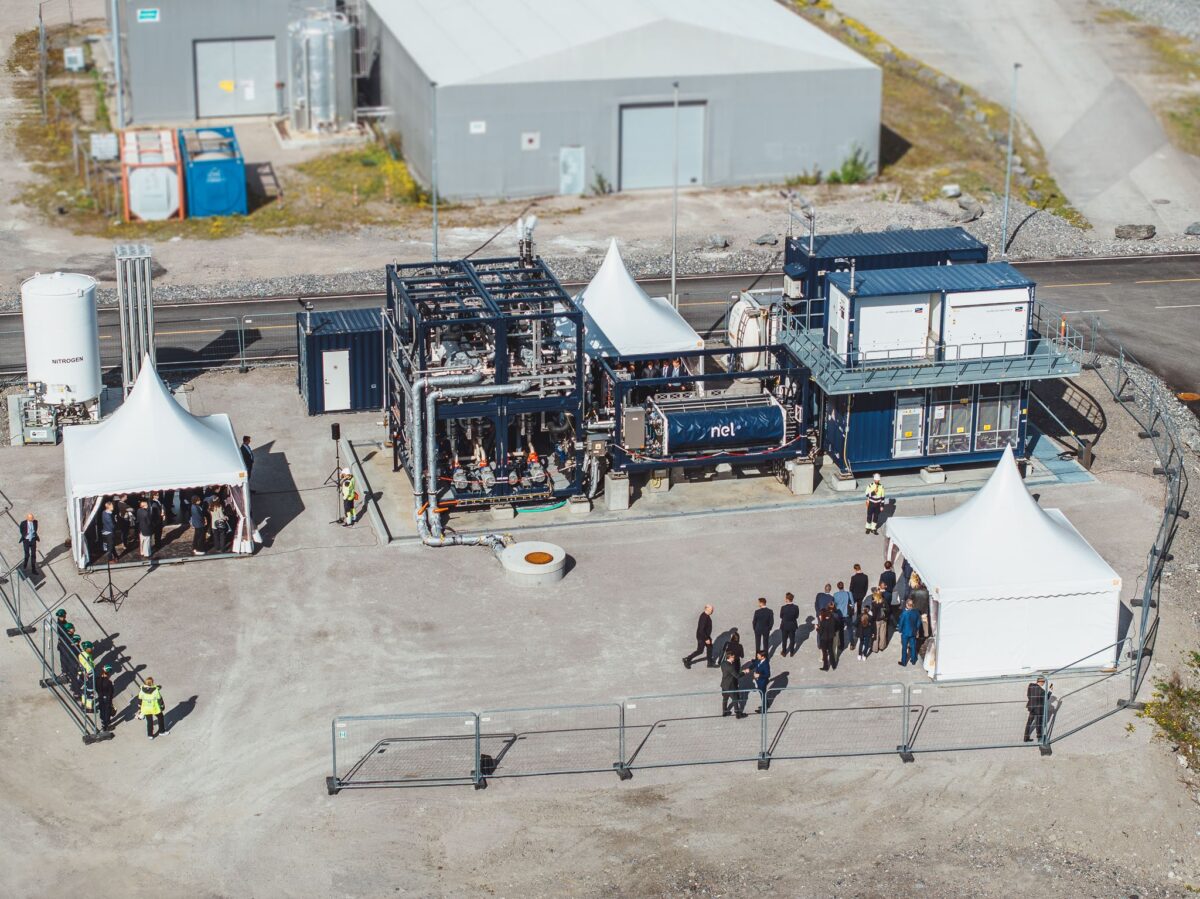
Nel targets a lower-cost path for industrial hydrogen
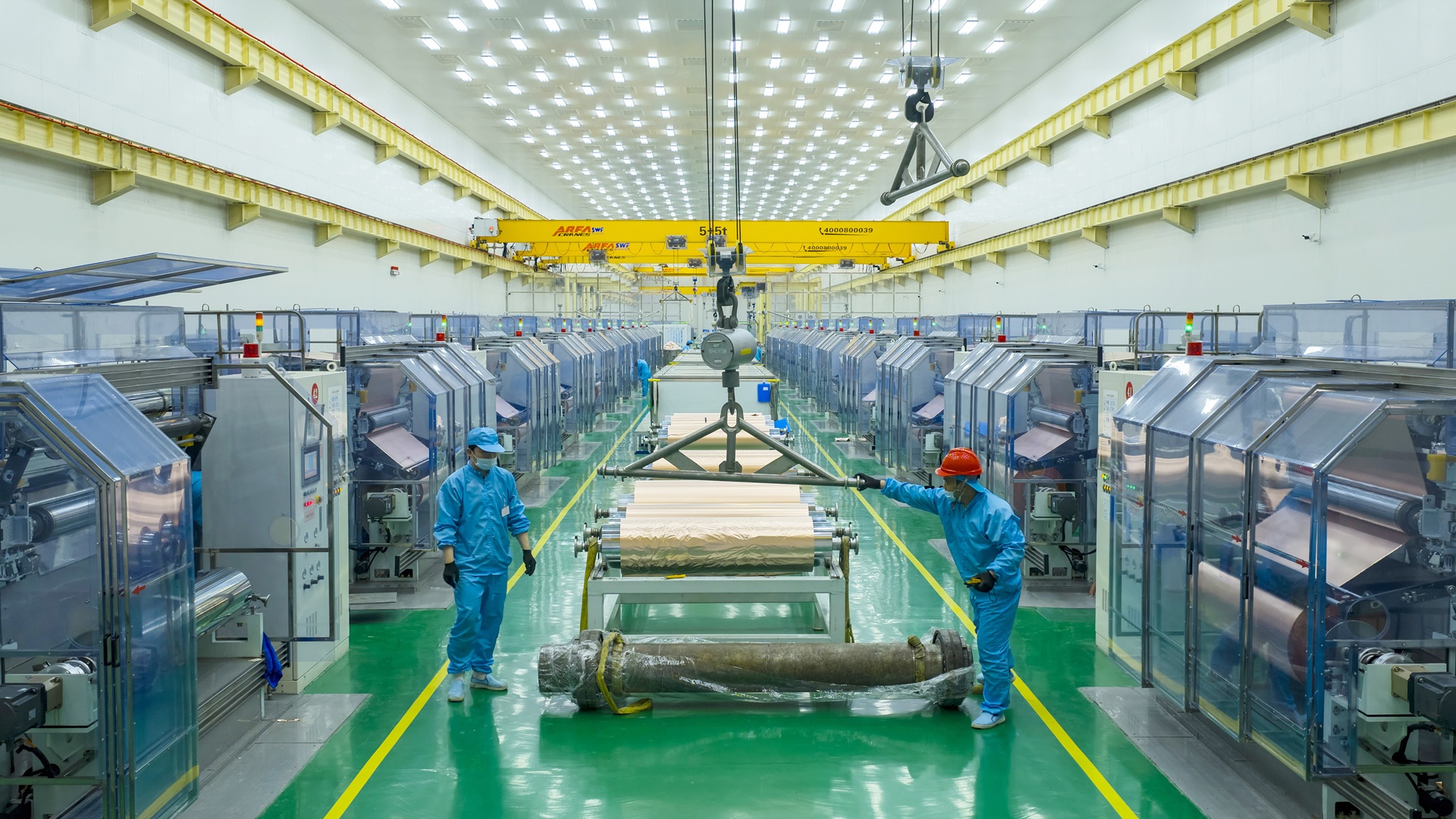
Norway-based hydrogen company Nel ASA has launched a next-generation pressurized alkaline electrolyzer platform that it says is designed to reduce the cost and complexity of hydrogen production projects. The company presented the system as a modular approach built to simplify plant execution while improving operational performance and scalability.
The most notable claim attached to the launch is cost. Nel says the new system can achieve an estimated turnkey full-scope cost of below $1,450 per kilowatt for a 25 megawatt plant. The estimate applies to hydrogen delivered at 30 bar pressure and 99.99% purity. Nel also says additional cost synergies are expected at larger scales.
That matters because the economics of green hydrogen remain one of the sector’s biggest constraints. Nel argues that many industrial hydrogen projects today still come in at around $3,000 per kilowatt in total system cost. If the company’s new platform performs as advertised in commercial deployment, it would represent a meaningful step toward narrowing that gap.
Why this launch matters
Electrolyzers sit at the center of the green hydrogen value chain. They use electricity to split water into hydrogen and oxygen, and their capital cost is a major determinant of whether hydrogen can compete with fossil-fuel-based alternatives in refining, chemicals, steelmaking and heavy transport. Pressurized systems can also reduce or eliminate some downstream compression needs, depending on the application, which can help improve overall project economics.
Nel is framing its new product around exactly those pressures facing the market: too much project complexity, too much custom integration and too much capital tied up before a plant even reaches operation. By emphasizing modularity, the company is signaling that it wants to make project delivery more repeatable and easier to scale.
That approach reflects a broader shift across clean energy infrastructure. Developers and buyers increasingly want standardized systems rather than bespoke engineering every time a project is built. In hydrogen, that demand is even stronger because many planned projects have been delayed or reworked as developers confront financing constraints and uncertain demand growth.
What Nel says the system delivers
According to Nel, the new platform represents a different design philosophy for alkaline electrolysis. The company says it reduces overall plant complexity through greater standardization and a more integrated system architecture. While the supplied source text is truncated before listing every technical detail, the central points are clear: the product is meant to improve cost efficiency, simplify execution and support larger-scale rollouts.
The purity and pressure figures included with the cost estimate are also significant. Hydrogen at 99.99% purity and 30 bar pressure aligns with practical industrial requirements, which means the cost claim is not being attached to a stripped-down laboratory configuration. Nel is positioning the platform as a commercial solution for real projects rather than as an experimental prototype.
The company’s use of a 25 MW reference plant is also telling. That is large enough to matter for industrial offtake and utility-linked hydrogen projects, but still within the range where developers are actively seeking financeable, repeatable designs. The promise of further savings at larger scales suggests Nel expects the platform to compete in the wave of bigger hydrogen hubs and industrial decarbonization programs now being planned in Europe and beyond.
The wider industry context
Hydrogen developers have spent the past several years trying to move from policy enthusiasm to bankable execution. Governments continue to support the sector, but many projects have struggled with high equipment costs, uncertain offtake agreements and questions about the total cost of delivered hydrogen. Technology suppliers therefore face pressure to show not just efficiency improvements, but system-level cost reductions.
Nel’s launch lands squarely in that context. A lower installed cost per kilowatt could improve project viability, particularly in markets where renewable power is available but capital remains expensive. It could also strengthen the case for alkaline electrolyzers in segments where competing technologies are also trying to win share.
Whether the new platform changes project economics at scale will depend on execution, manufacturing, installation and real-world operating performance. But the signal from this launch is clear: suppliers know the hydrogen market now needs simpler, cheaper and more standardized hardware if announced projects are going to turn into operating assets.
For the sector, that may be the most important takeaway. Hydrogen’s next phase will be shaped less by ambition alone and more by whether companies can turn cost curves in a credible way. Nel is arguing that its new pressurized alkaline platform is built for exactly that test.
This article is based on reporting by PV Magazine. Read the original article.

Originally published on pv-magazine.com