An energy-sector argument against pure technocracy
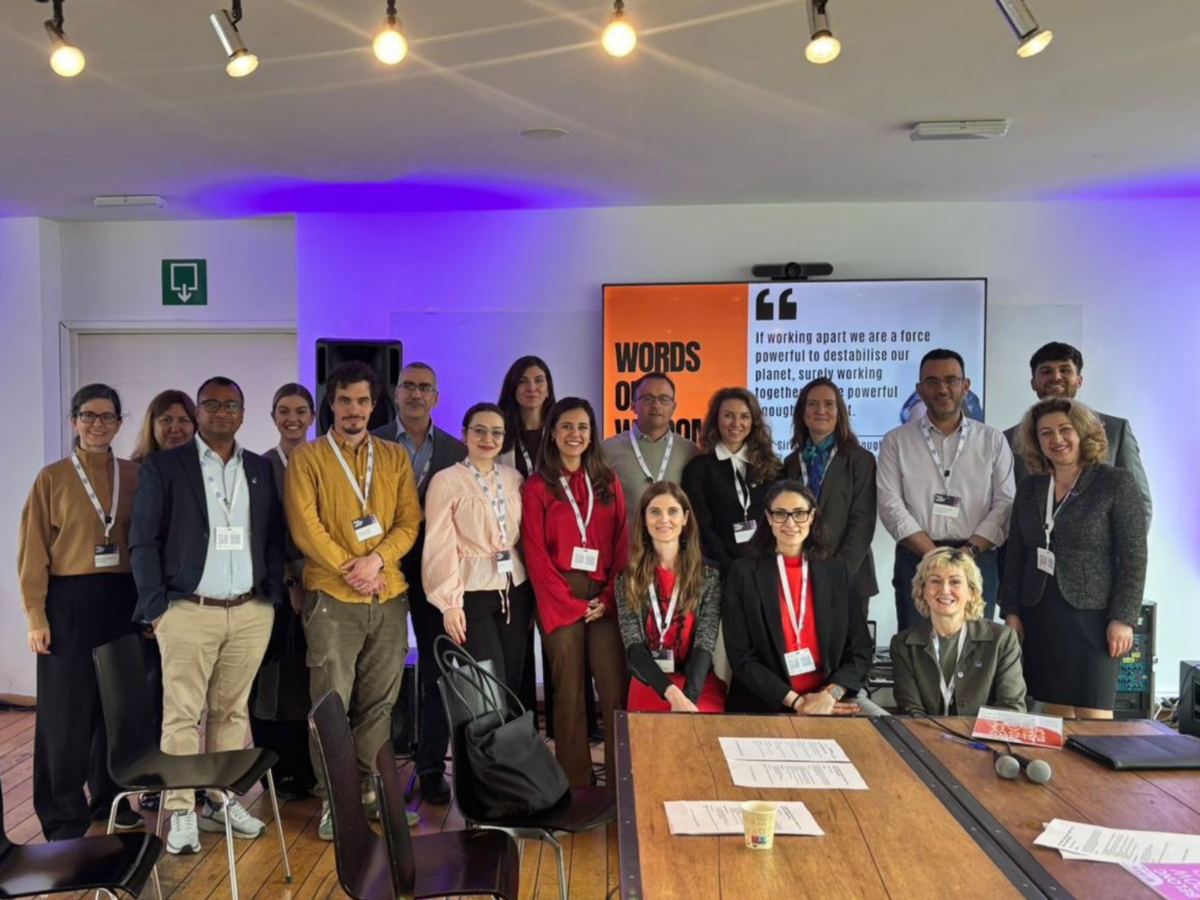
As AI takes on a larger role in the energy sector, a growing number of industry voices are warning against a narrow assumption: that better tools alone will produce better systems. A workshop hosted by Women in Solar+ Europe at this year’s SolarPower Summit put that concern at the center of the discussion, arguing that psychological safety, inclusive leadership, and bias awareness directly shape innovation, decision-making, and ultimately energy security.
That is not the kind of claim usually treated as hard infrastructure news. But it reflects a real shift in how parts of the energy industry are thinking about resilience. The argument is that resilient systems are built not only through software, automation, and analytics, but also through the human conditions under which people interpret data, challenge assumptions, and act under pressure.
Why this matters in an AI-heavy industry
According to the source, participants in the workshop reflected on an increasingly important reality: technology alone cannot deliver resilient systems. As AI changes how organizations analyze information and accelerate processes, the quality of collaboration becomes more important, not less.
That is a useful corrective to some of the industry’s current rhetoric. AI can improve speed, scale, and pattern recognition. But those gains do not remove the need for judgment. In critical sectors such as energy, faster output is only helpful if teams are capable of questioning flawed assumptions, surfacing concerns early, and using tools without surrendering responsibility to them.
The workshop’s focus on bias awareness fits squarely within that logic. AI-enabled processes can amplify human blind spots when teams are not prepared to recognize them. Inclusive leadership and psychologically safe workplaces are being framed here not as cultural extras, but as operating conditions for better decisions.
From workshop theme to strategic claim
The strongest point in the source is the direct link it draws between leadership behavior and energy security. That is a larger claim than ordinary workplace advice. It suggests that who gets heard, how dissent is handled, and whether teams feel able to speak candidly can affect system resilience in a strategic industry.
There is a practical reason this argument is gaining traction. Energy systems are becoming more distributed, more digital, and more dependent on rapid interpretation of complex inputs. Under those conditions, leadership quality influences not only morale but also the speed and quality of operational response.
If teams cannot challenge assumptions, they may overlook risks. If decision-making narrows around hierarchy or exclusion, organizations may move quickly in the wrong direction. The workshop’s emphasis on trust and collaboration therefore reflects a view that human factors shape infrastructure performance in concrete ways.
What the sector is being asked to reconsider
The workshop did not reject AI. It asked the sector to be more precise about what AI can and cannot do. AI may accelerate analysis, but it does not replace accountability. It may help process information, but it does not create the trust required for organizations to surface inconvenient truths. It may optimize processes, but it does not guarantee sound judgment.
That distinction matters because energy security is often discussed through hardware, policy, supply, and grid architecture. Those remain central. What this workshop adds is a people-and-governance layer: even strong systems can become fragile if leadership practices discourage challenge, narrow participation, or create fear around speaking up.

The broader takeaway
For an industry racing to integrate AI, the message from the SolarPower Summit workshop is a useful one. Human judgment is not the residue left over after automation. It is part of the core infrastructure of reliable decision-making.
The source frames resilient energy systems as something built through both technology and people. That conclusion may sound softer than a hardware announcement or a policy package, but it addresses a hard reality. In sectors where mistakes can cascade quickly, leadership culture affects what information is seen, what risks are named, and what actions are taken. As AI becomes more deeply embedded in energy operations, those human conditions may become more visible, not less.
This article is based on reporting by PV Magazine. Read the original article.
Originally published on pv-magazine.com