ESS Tech broadens beyond long-duration iron flow
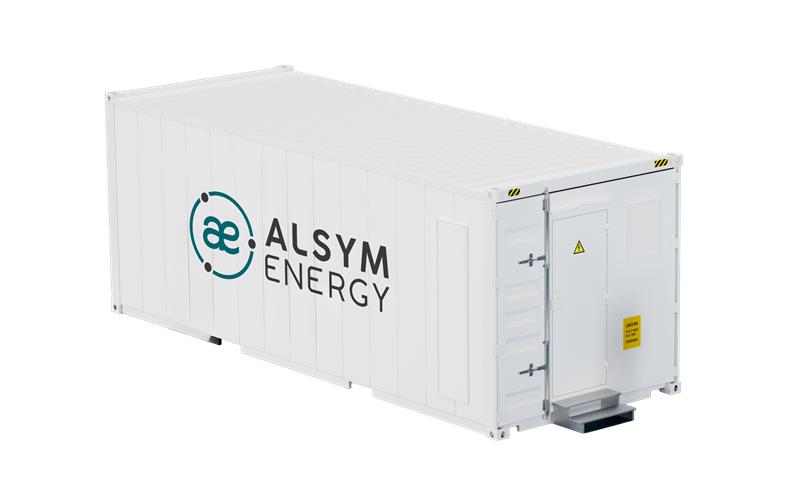
ESS Tech is moving to expand its energy storage portfolio beyond iron flow batteries, announcing plans to add 8.5 GWh of U.S.-made sodium-ion cells and modules through a letter of intent for a strategic partnership with Alsym Energy. The April 30 report marks a notable shift for a company best known for long-duration storage, and it points to a larger change in the battery market: more developers are now trying to build competitive products outside the lithium-ion mainstream.
According to the source material, ESS Tech’s established iron flow offering is designed for the 8- to 24-hour long-duration segment. The proposed sodium-ion addition would instead target short- and medium-duration applications. That matters because it gives ESS Tech a way to participate in more parts of the storage market without relying on a single chemistry or a single duration profile.
A portfolio play aimed at market reach
Under the letter of intent, ESS Tech would bring in 8.5 GWh of sodium-ion cells and modules from Massachusetts-based Alsym Energy. The company’s stated goal is to expand its presence in market segments historically dominated by lithium-ion technologies. In practical terms, this is a portfolio move: ESS Tech is not abandoning long-duration storage, but it is positioning itself to serve additional use cases with a broader set of products.
The source frames that expansion in terms of performance, safety, and cost. Those three criteria continue to shape almost every storage procurement decision. Lithium-ion systems remain deeply entrenched, but they also create room for challengers when buyers want alternatives on supply chain exposure, operating characteristics, or safety profile. ESS Tech appears to be betting that customers increasingly want optionality rather than a one-chemistry answer.
Why sodium-ion is getting a closer look
Alsym Energy officially introduced its Na-Series in October 2025. The company describes the products as non-flammable and non-toxic, and says they use materials not sourced from foreign entities of concern. The source also says the systems are positioned to support a lower levelized cost of storage. Taken together, those points explain why ESS Tech sees sodium-ion as a meaningful addition rather than a side experiment.
Sodium-ion has drawn attention as one of the more closely watched alternatives to lithium-ion because it can be pitched on chemistry diversity as well as manufacturing geography. In this case, the “U.S.-made” framing is central to the announcement. Storage buyers, utilities, developers, and policymakers are all paying closer attention to where battery materials and components come from, and domestic manufacturing claims now carry commercial weight in their own right.
What the move says about ESS Tech
ESS Tech has built its identity around non-lithium long-duration storage. By adding sodium-ion products aimed at shorter and medium-length discharge windows, the company is effectively widening its commercial message. It can continue to argue for iron flow in applications where long duration is the priority while also entering projects where buyers may want a different profile.
The shift is notable because it suggests ESS Tech sees strategic value in becoming a broader non-lithium storage company rather than only a long-duration specialist. The battery market has matured to the point where customers often compare not just vendors, but system architectures and duration classes. A company that can address multiple segments may be better placed to stay relevant as project needs evolve.

A challenge to lithium-ion’s dominance
The source states directly that ESS Tech wants to expand into a segment historically dominated by lithium-ion. That phrasing captures the significance of the announcement. Even when alternatives do not displace lithium-ion outright, they can carve out market share by targeting specific concerns around safety, cost structure, or supply chain sourcing.
ESS Tech’s planned sodium-ion addition is therefore less about one chemistry replacing another overnight and more about competitive positioning in a market that is starting to fragment. Battery buyers increasingly sort projects by duration, safety requirements, procurement rules, and local manufacturing priorities. A wider non-lithium offering could help ESS Tech compete in that more differentiated environment.
What remains unresolved
The announcement is based on a letter of intent for a strategic partnership, not a completed deployment program. That means the news is meaningful, but still preliminary. The source confirms the scale of the planned addition and the intended market rationale, but it does not establish deployment timelines, customer commitments, or final commercial terms.
Even so, the direction is clear. ESS Tech wants to complement its 8- to 24-hour iron flow products with sodium-ion systems for shorter and medium-duration use cases. If executed, that would give the company a more comprehensive position in stationary storage at a time when customers are looking more closely at chemistry choice and domestic manufacturing.
A sign of a broader storage transition
The importance of this development extends beyond one company. It reflects a broader industry move toward battery diversity. As storage demand grows, so does the pressure to match different projects with different technical and commercial needs. ESS Tech’s planned 8.5 GWh sodium-ion expansion is one more sign that the next phase of storage competition may be defined less by a single winner and more by how effectively companies assemble portfolios across duration ranges and chemistries.
For now, ESS Tech is making a calculated bet: that a broader non-lithium lineup can create new openings in a market still dominated by lithium-ion, but increasingly open to alternatives that promise a different balance of performance, safety, cost, and sourcing.
This article is based on reporting by PV Magazine. Read the original article.
Originally published on pv-magazine.com