Introduction
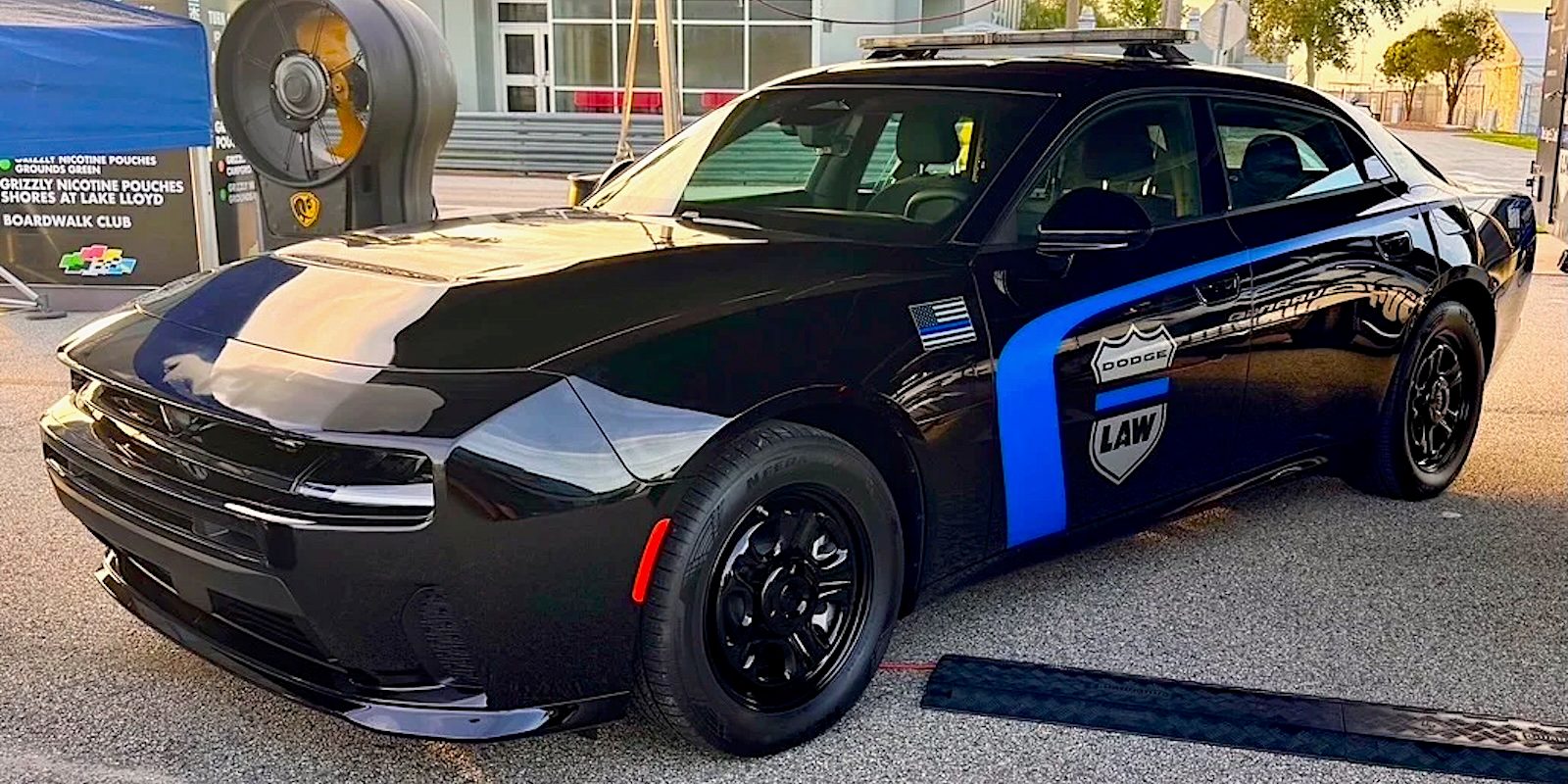
In a surprising move that defies the automotive industry's accelerating shift toward electrification, Dodge has announced a new police Charger that runs exclusively on gasoline. The decision comes as a response to feedback from law enforcement agencies and enthusiasts who remain skeptical of electric and turbocharged powertrains. The new model aims to provide a familiar, reliable option for police departments across the country.
The Context: Dodge's Electrification Push
Dodge has been at the forefront of the electric vehicle (EV) revolution in the performance segment. The company recently unveiled an all-electric Charger with 670 horsepower, targeting enthusiasts who crave instant torque and zero emissions. However, the reception has been mixed. Many Mopar loyalists, known for their devotion to the brand's V8 heritage, have expressed reluctance to embrace a battery-powered muscle car. Additionally, Dodge introduced the Sixpack Charger, a 550-horsepower model powered by a turbocharged engine, but that too has faced criticism from purists who prefer the traditional naturally aspirated V8.
The New Police Charger: A Gas-Powered Solution
In a last-ditch effort to appease both law enforcement and traditionalists, Dodge has developed a new police Charger that retains a conventional gasoline engine. While specific powertrain details have not been fully disclosed, the vehicle is expected to offer the durability and performance that police departments require. The decision to offer a gas-powered option underscores Dodge's commitment to meeting the diverse needs of its customers, even as the industry moves toward electrification.
Why Law Enforcement Prefers Gas
Police departments have unique requirements that often make EVs challenging. Range anxiety, charging infrastructure, and the need for rapid refueling are significant concerns. Many departments operate in remote areas or have fleets that run 24/7, making the long charging times of EVs impractical. Additionally, the initial cost of EVs can be higher, and maintenance requires specialized training and equipment. By offering a gas-powered Charger, Dodge provides a solution that integrates seamlessly into existing fleet operations.

Industry Reactions
The announcement has sparked a wide range of reactions. Some industry analysts see it as a pragmatic move, acknowledging that the transition to EVs will take time, especially in specialized sectors like law enforcement. Others view it as a step backward, arguing that automakers should focus on advancing EV technology rather than catering to resistance. However, Dodge's decision reflects a broader trend of automakers offering a mix of powertrains to meet varying consumer demands.
Impact on Dodge's Brand Image
Dodge has long positioned itself as a brand that values performance and American muscle. The gas-powered police Charger reinforces this identity, appealing to those who equate the brand with the rumble of a V8. At the same time, Dodge is not abandoning its EV ambitions. The company continues to invest in electric and hybrid technologies, aiming to offer a full spectrum of options. This dual approach could help Dodge maintain its loyal customer base while attracting new, environmentally conscious buyers.
Future Outlook
As the automotive industry evolves, the demand for gas-powered vehicles will likely decline, but it will not disappear overnight. Dodge's decision to offer a gas-powered police Charger is a strategic move that acknowledges the current realities of the market. It also sets a precedent for other automakers to consider niche segments that may require traditional powertrains for the foreseeable future.
Conclusion
Dodge's new gas-powered police Charger is a bold statement in an industry increasingly focused on electrification. By listening to the needs of law enforcement and traditionalists, Dodge demonstrates that it values customer feedback and is willing to adapt. While the future may be electric, the present still has room for the internal combustion engine, especially in roles where reliability and familiarity are paramount.
This article is based on reporting by Electrek. Read the original article.
Originally published on electrek.co