California Targets a Hard-to-Clean Corner of Transport
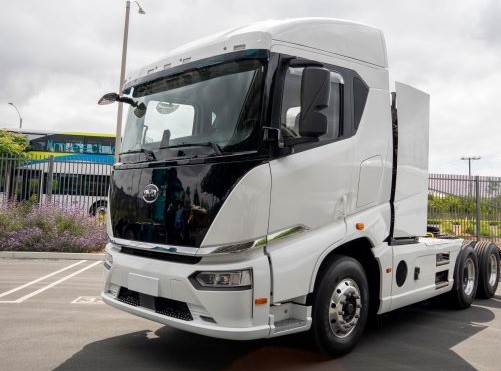
California is introducing a major new financial push for commercial vehicle electrification, with a $1 billion rebate program aimed at medium- and heavy-duty battery-electric trucks. The initiative, called the California Clean Fuel Reward, is designed as a point-of-sale incentive, meaning the discount is meant to reduce the vehicle’s upfront cost rather than arrive later through a tax filing or reimbursement process.
That matters because commercial fleet electrification often stalls on one basic issue: price. Even when electric trucks can reduce fuel and maintenance costs over time, the initial purchase price remains a barrier for retailers and fleet operators. California’s new structure is aimed directly at that barrier.
The source text describes the program as the largest utility-led incentive program of its kind for medium- and heavy-duty vehicles. If that scale holds in practice, the reward could become one of the more important state-level tools in the United States for speeding adoption of electric freight and service vehicles.
How the Incentives Are Structured
The rebate levels rise by vehicle class, reflecting the higher cost and greater emissions profile of larger trucks. According to the supplied text, Class 2b vehicles qualify for $7,500, while Class 3 and Class 4 vehicles each qualify for $15,000. The support then jumps sharply for heavier models: $60,000 for Class 5, $85,000 for Class 6, $85,000 for Class 7, and $120,000 for Class 8.
The program is limited to new battery-electric vehicles that are purchased or leased for commercial use. It does not include hybrids or hydrogen vehicles. That restriction is notable because it removes technology ambiguity and places the state’s backing squarely behind battery-electric trucks.
The text also says the incentives can be combined with some other programs. For fleet buyers, stacking support can be decisive. A point-of-sale rebate is valuable on its own, but in sectors where vehicles are expensive and financing conditions matter, the ability to pair incentives may help turn pilot interest into actual orders.

Why Commercial Trucks Are a Priority
Passenger cars get most of the public attention in EV discussions, but the health and climate stakes around commercial trucks are often more severe. The source material emphasizes that medium- and heavy-duty trucks generate large amounts of toxic air pollution and greenhouse-gas emissions. That combination makes them a strategic target for policy.
California’s argument is not only about decarbonization. It is also about direct public-health effects. The source text states that nearly 18 million residents in the state breathe unhealthy air that exceeds safe standards, and that 1,500 people die from air pollution every year in Southern California alone. It also cites estimates linking a significant share of asthma exacerbations among children to environmental causes.
Programs like this are therefore being sold on two timelines at once. On the long timeline, they are part of climate strategy. On the near timeline, they are positioned as a way to reduce exposure to pollution from diesel and gasoline fleets in communities that live, work, and go to school near freight corridors and distribution activity.
Battery-Electric Only Is a Clear Policy Signal
One of the most consequential features of the California Clean Fuel Reward is what it excludes. By limiting support to battery-electric trucks and leaving out both hybrids and hydrogen vehicles, the state is drawing a sharper line around what it believes should scale next in commercial transport.
That does not settle the broader industry debate over which zero-emission technologies will ultimately dominate heavy-duty hauling. But it does show where California is placing its immediate policy weight. The decision simplifies the message to buyers and suppliers: if the vehicle is new, battery-electric, and commercial, there is a defined incentive path.
Clarity can be as important as generosity. Fleet managers planning replacement cycles need to understand not just how much support exists, but what kinds of assets qualify. Ambiguous or technology-neutral programs can widen optionality, but they can also dilute momentum. This one appears structured to do the opposite.
The Market Effect Could Reach Beyond California
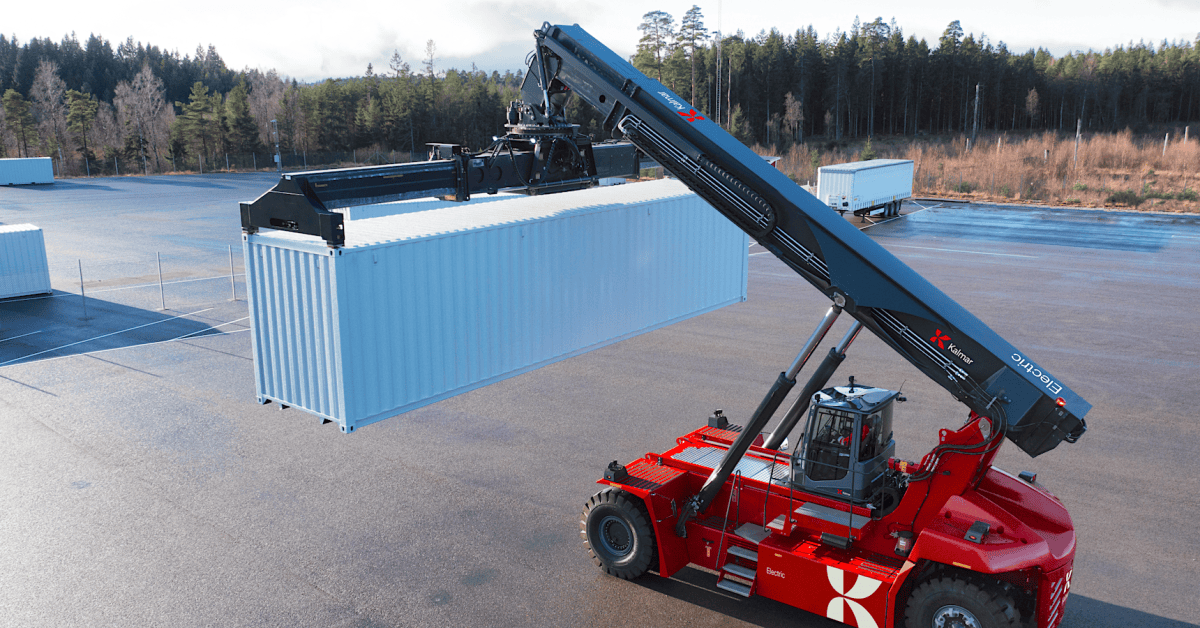
California’s vehicle and air-quality policies often matter beyond its borders because of the size of its market and its role in setting expectations. A rebate program at this scale can influence purchasing behavior, but it can also affect product planning, charging deployment, and manufacturer confidence.
The source text points to the recent order of 370 Tesla Semi trucks by WattEV as evidence that electric heavy-duty interest is becoming more concrete in the United States. California’s rebate program does not depend on any single manufacturer, but it arrives at a moment when battery-electric trucking is shifting from demonstration and pilot phases toward more serious procurement decisions.
For retailers and logistics operators, a point-of-sale incentive may be especially meaningful because it helps with budgeting in a way later credits do not. For utilities and infrastructure planners, stronger vehicle demand can justify more aggressive charging investment. For regulators, visible adoption helps defend the case for future clean-transport programs.
What Comes Next
The real test will be uptake. Large incentives can still underperform if vehicle supply is constrained, charging access is weak, or operators remain uncertain about route fit and resale value. But the California Clean Fuel Reward addresses the most immediate problem with unusual force: purchase price.
That makes this announcement more than a subsidy headline. It is a policy attempt to move one of the dirtiest and most operationally important parts of road transport toward electrification at scale. If fleet buyers respond, the program could become a model for how states use direct commercial incentives to accelerate a market that has been slower and more complicated than the shift in passenger cars.
For now, the signal is unmistakable. California is putting substantial money behind battery-electric trucks, and it is doing so in a format built to matter at the point where many fleet decisions are won or lost: the day the vehicle is purchased.
This article is based on reporting by CleanTechnica. Read the original article.
Originally published on cleantechnica.com