Amazon's Massive Gas Plant: A Climate Pledge Contradiction
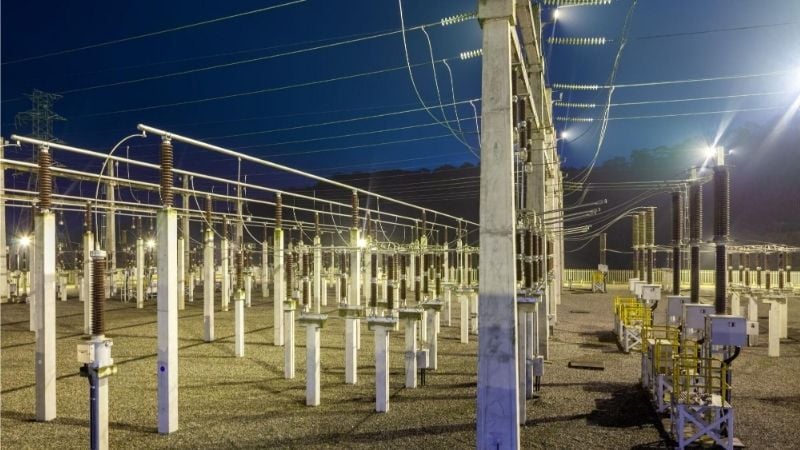
In a move that starkly contrasts with its founding role in The Climate Pledge, Amazon is reportedly constructing a 7.65-gigawatt (GW) natural gas-fired power plant in Pecos County, Texas. The facility, designed to power a colossal AI data center, will house 35 gas turbines and is expected to emit approximately 33 million tons of carbon dioxide annually. This would make it the single largest source of pollution in the United States, surpassing any other individual emitter.
The announcement has sparked outrage among environmental advocates and climate scientists, who see it as a direct contradiction to Amazon's previous commitments to sustainability. The Climate Pledge, co-founded by Amazon in 2019, aimed to achieve net-zero carbon emissions by 2040. However, this new project suggests a shift in priorities, driven by the insatiable energy demands of artificial intelligence.
The AI Energy Dilemma
The exponential growth of AI technologies has led to an unprecedented surge in energy consumption. Data centers, which form the backbone of AI services, require vast amounts of electricity to run servers and cooling systems. As companies like Amazon race to expand their AI capabilities, they are increasingly turning to fossil fuels to meet the demand, despite the availability of renewable energy sources.
Amazon's spokesperson, Margaret Callahan, defended the project by stating, "The world looks different now than when we co-founded The Climate Pledge." This remark has been met with criticism, as climate change continues to worsen, with global temperatures rising and extreme weather events becoming more frequent. Critics argue that the "different world" is one where climate action is more urgent than ever, not less.
Growth vs. Sustainability
Callahan also asserted, "Growth and sustainability don't have to be in opposition — in fact, our results show they reinforce each other." However, this statement rings hollow in light of the planned fossil fuel infrastructure. While Amazon has invested in renewable energy projects, the scale of this new gas plant dwarfs those efforts, raising questions about the company's true commitment to its climate goals.
The tension between economic growth and environmental responsibility is not new, but the scale of this project brings it into sharp focus. As AI becomes more integrated into daily life, the energy demands will only increase. The challenge lies in finding a balance that allows technological advancement without sacrificing the planet's health.

Environmental and Health Impacts
The Pecos County plant will not only contribute to climate change but also have local environmental and health impacts. The combustion of natural gas releases not only CO2 but also other pollutants such as nitrogen oxides (NOx) and particulate matter, which can lead to respiratory problems and other health issues. The region, already prone to drought and water scarcity, will face additional stress from the plant's water usage for cooling.
Furthermore, the sheer scale of emissions from this single facility will make it harder for the United States to meet its climate targets under the Paris Agreement. It also sets a dangerous precedent for other tech companies, which may follow suit in building similar fossil fuel-powered data centers, exacerbating the climate crisis.
Community and Economic Considerations
Proponents of the project argue that it will bring economic benefits to Pecos County, creating jobs and boosting local revenue. The construction and operation of the plant and data center will provide employment opportunities in a region that has historically relied on oil and gas extraction. However, these benefits come at a significant environmental cost, and local communities may face the brunt of pollution-related health issues.
There is also the question of long-term economic viability. As the world transitions to cleaner energy sources, investments in fossil fuel infrastructure risk becoming stranded assets. The plant may operate for decades, locking in emissions that could have been avoided with a more forward-thinking approach.
The Role of Tech Giants in Climate Action
Amazon is not alone in this dilemma. Other tech giants, including Microsoft and Google, have also seen their emissions rise due to AI expansion. However, Amazon's decision to build the largest single polluter in the country is a particularly stark example of the industry's failure to align its actions with its stated values.
The Climate Pledge, which has been signed by hundreds of companies, commits to achieving net-zero carbon emissions by 2040. Amazon's new project directly undermines this commitment, and it raises questions about the credibility of corporate climate pledges in general. If a company that co-founded a major climate initiative can build such a polluting facility, what does that say about the effectiveness of voluntary corporate action?
Potential Alternatives and Future Outlook
There are viable alternatives to fossil fuel-powered data centers. Renewable energy sources like solar and wind are becoming cheaper and more efficient, and battery storage technology is advancing. Amazon could have chosen to power its data center with a combination of renewables and storage, which would have been more in line with its climate goals. However, the company has opted for a gas plant, likely due to the reliability and scale of power it can provide.
As the AI race intensifies, the energy demands of data centers will continue to grow. It is imperative that tech companies invest in sustainable infrastructure to meet this demand. This includes not only renewable energy but also energy-efficient hardware and cooling systems. The industry must also consider the broader environmental impact of its operations, including water usage and electronic waste.

Conclusion
Amazon's decision to build a 7.65 GW gas-fired power plant in Texas, which will become the largest single source of pollution in the United States, is a profound setback for climate action. It highlights the conflict between the rapid growth of AI and the urgent need to reduce carbon emissions. While Amazon claims that growth and sustainability can coexist, this project suggests otherwise.
The company must be held accountable for its actions, and regulators should scrutinize the environmental impact of such large-scale fossil fuel projects. As individuals, we can also make choices that support sustainable practices, such as using AI services from companies that prioritize renewable energy. The future of our planet depends on the decisions we make today, and Amazon's latest move is a step in the wrong direction.
This article is based on reporting by CleanTechnica. Read the original article.
Originally published on cleantechnica.com