A Roadshow with a Mission
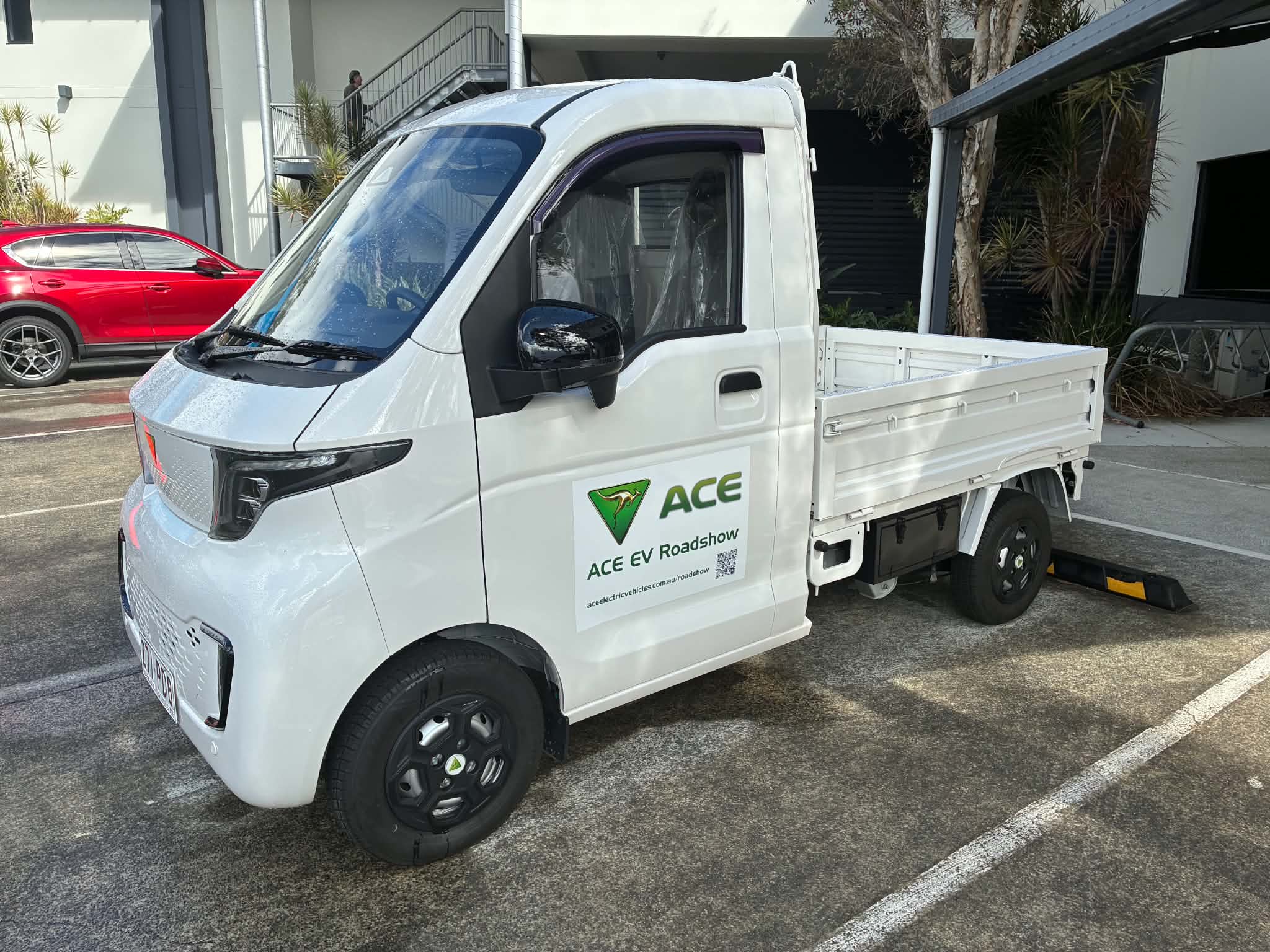
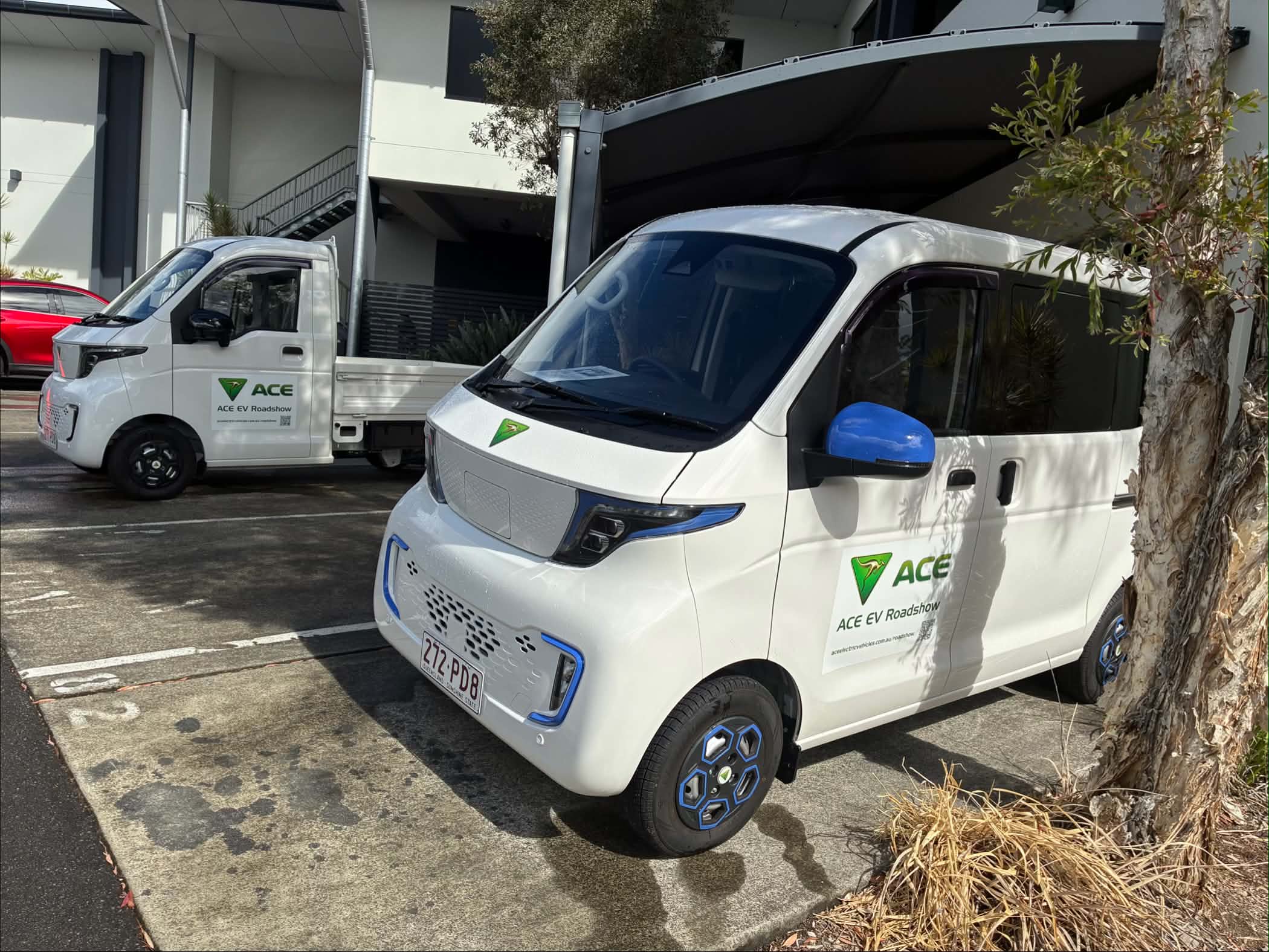
The Yewt and Minivan Roadshow rolled out of Brisbane three days ago, carrying with it the hopes of a resurgent Australian electric vehicle industry. The two vehicles—a compact electric minivan and a tray truck called the Yewt—are taking part in a 52-day journey that will take them down to Melbourne and back, covering more than 2,000 kilometres. Organised by ACE EV (Australian Clean Energy Electric Vehicles), the roadshow is designed to bring the vehicles to communities, businesses, and fleet operators across eastern Australia.
This is not some grand corporate launch. It is the culmination of a decade-long personal crusade by Greg McGarvey, a retired marine biologist and the company's 73-year-old CEO. The roadshow is his way of putting the vehicles in front of the people who might one day buy them, and perhaps planting the seed for an Australian auto industry that many thought had disappeared forever.
Greg McGarvey: Tenacity on Four Wheels
McGarvey’s journey has been anything but easy. He describes himself, with typical candour, as “a stubborn old pr!ck.” That stubbornness has kept the project alive for ten years, through the kind of setbacks that would have sunk a less determined entrepreneur. He was originally a marine biologist, not a car maker, but his passion for clean energy and Australian manufacturing has driven him to build something genuinely original.
The idea behind ACE EV is simple: create affordable, practical electric vehicles designed specifically for Australian conditions. The minivan is aimed squarely at last-mile deliveries in dense inner-city environments—the kind of work done by bakers, butchers, and other small businesses. McGarvey hopes the Yewt will serve a similar role for light commercial tasks. The roadshow is the first time the prototypes have been seen publicly on a large scale, and McGarvey’s enthusiasm is infectious. In an interview during the Brisbane launch, he spoke rapidly and animatedly, interrupting himself to point out features and explain his plans.

The Roadshow: Taking EVs to the People
The decision to take the vehicles on a marathon tour reflects McGarvey’s belief that Australians need to see and touch the vehicles before they will embrace them. The roadshow launched from the workshops of the Motor Trades Association of Queensland (MTAQ) in Brisbane. From there, the small convoy—including McGarvey following in his Tesla and streaming live via Starlink—will spend the next 52 days on the road, making stops at towns along the way to Melbourne.
Local mayors, business owners, and community leaders have been invited to join the tour at every stop. Static displays of the vehicles are expected to spark conversations with councils, fleet operators, and local businesses. Already, more than 70 test drive bookings have been made, a clear sign that curiosity is high. “Time was limited. Enthusiasm was not,” noted David Waterworth of CleanTechnica, who was on hand for the launch.
Yet the launch received slim media interest. McGarvey described the coverage as “slim” with evident disappointment. In a country that once manufactured iconic cars like the Holden Commodore, the media neglect of an Australian-designed electric vehicle might seem surprising. But McGarvey is pressing on regardless.
Inside the ACE EV Minivan
The minivan is a compact, practical machine. Its dimensions are 339 by 195 by 147.5 centimetres, making it small enough to navigate narrow streets yet roomy enough for a load of up to 400 kilograms. It is powered by CATL lithium iron phosphate (LFP) batteries, which deliver a range of 230 kilometres on a single charge. A fast charge takes just 30 minutes, making it suitable for stop-and-go delivery routes. The 30-kilowatt motor provides smooth acceleration in city traffic.
Key Specifications
- Dimensions: 339 cm (length) x 195 cm (width) x 147.5 cm (height)
- Load capacity: 400 kg
- Battery: CATL LFP
- Range: 230 km per charge
- Fast charge: 30 minutes
- Motor: 30 kW
The van features sliding doors on both sides, allowing easy access even in tight parking spots. Its low floor and open rear mean a wheelchair can be rolled into the back, making it a viable option for disabled users or for passenger transport. Majella Waterworth, who test-drove the van for CleanTechnica, pointed out that the interior offers ample room for a wheelchair, which broadens its appeal beyond delivery businesses.

The Yewt: A Utility Companion
Sharing the roadshow spotlight with the minivan is the Yewt, a tray truck that complements the van's delivery focus. Although specifications for the Yewt were not released in the initial announcement, its presence on the roadshow signals that ACE EV is thinking beyond a single vehicle. The tray form factor makes it useful for tradespeople, gardeners, and other light commercial users who need to carry bulky items. Like the minivan, it is fully electric and designed for urban and suburban environments.
The two vehicles together represent ACEEV’s vision of a modular electric transport ecosystem—affordable to buy, cheap to run, and tailored to Australian needs. The roadshow is allowing potential customers to see how the vehicles handle real roads and real loads, which is far more convincing than any brochure.
A New Hope for Australian Manufacturing
The broader significance of the roadshow lies in what it represents for Australian industry. Once a manufacturing powerhouse, Australia lost most of its car-making capability when Holden and other brands shut down their local plants. Many doubted the industry could ever return. ACEEV is proving that small, nimble companies can design and assemble vehicles locally, even if they cannot compete with the scale of global giants.
McGarvey does not pretend the ACE EV is a like-for-like replacement for the Holden Commodore. Instead, he sees it as the “seed” from which a new Australian automotive sector could grow. The roadshow is the watering of that seed—a chance to build grassroots demand and show sceptics that Australian engineering is still very much alive. The lack of media attention is a disappointment, but the enthusiastic response from local communities suggests that the message may still get through.
Whether the Yewt and minivan will achieve commercial success remains to be seen. But for a 73-year-old retired marine biologist with an unshakeable belief in his cause, the roadshow is already a victory. After ten years of effort, the vehicles are rolling. That, in itself, is a promising sign.
This article is based on reporting by CleanTechnica. Read the original article.

Originally published on cleantechnica.com