Subarus neuester Rückruf erinnert daran, dass kleine Produktionsfehler zu Gefahren auf der Autobahn werden können
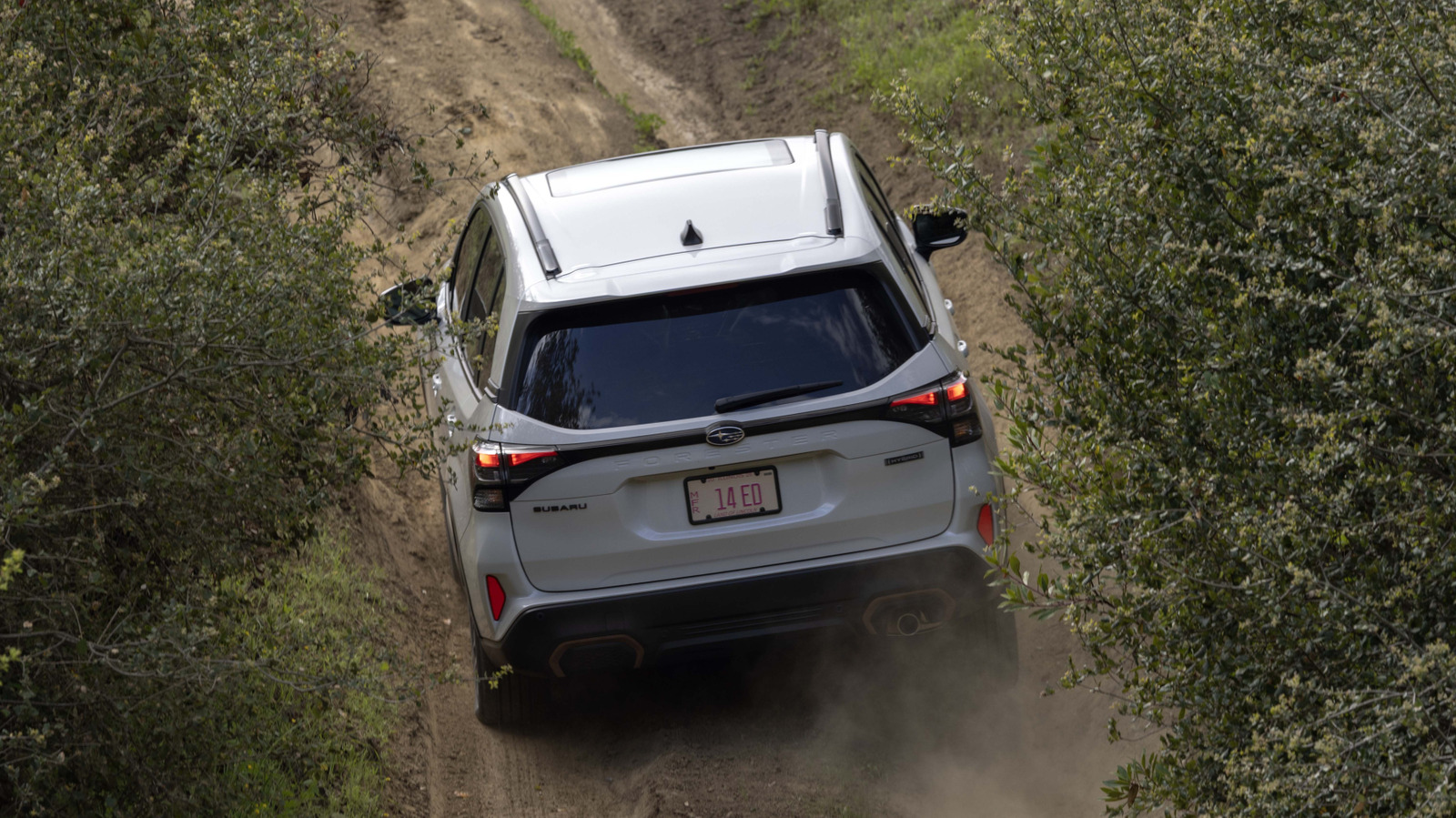
Subaru ruft in den USA 69.663 Forester des Modelljahrs 2026 zurück, weil das Glas des Panorama-Schiebedachs möglicherweise nicht korrekt verklebt wurde und sich während der Nutzung lösen könnte. Laut dem von Jalopnik zitierten Bericht der National Highway Traffic Safety Administration liegt das Problem in einer fehlerhaften Verklebung zwischen der Glasscheibe und dem Schiebeframe. Mit der Zeit könnte der Klebstoff versagen und das Panel vom Fahrzeug lösen.
Die Fehlerquote wird auf 2,9 % geschätzt, was bedeutet, dass die meisten betroffenen Fahrzeuge den Defekt möglicherweise nie erleben. Rückrufe werden jedoch nicht nach Durchschnittswerten beurteilt, sondern nach Risiko. Ein Bauteil, das sich von einem fahrenden Fahrzeug lösen kann, wird zur Gefahr nicht nur für Insassen, sondern auch für andere Fahrer und Fußgänger in der Nähe. Deshalb kann selbst eine relativ kleine Defektquote eine landesweite Maßnahme rechtfertigen.
Was in der Produktion schiefgelaufen ist
Der Quelltext verweist auf ein Problem bei der Primer-Auftragung während der Fertigung. Der Primer dient als Haftvermittler, der nötig ist, um das Glas des Schiebedachs am Schiebeframe zu befestigen. Subaru und der Zulieferer Webasto Roof Systems sollen im März und April Produktionsunterlagen sowie Protokolle zum Primerverbrauch geprüft und dann die Mindestmenge ermittelt haben, die für eine ordnungsgemäße Haftung erforderlich ist.
Dieser Punkt ist wichtig, weil er zeigt, dass es sich nicht um eine mysteriöse Anomalie im Feld handelte. Es war ein Fertigungsprozessproblem mit nachvollziehbarer Ursache. In der modernen Autoindustrie ist eine solche Rückverfolgbarkeit entscheidend. Sie erlaubt es Unternehmen, die betroffenen Produktionsdaten einzugrenzen, die wahrscheinliche Zahl der defekten Fahrzeuge zu schätzen und eine präzisere Lösung als eine pauschale Austauschaktion festzulegen.
Welche Fahrzeuge betroffen sind
Der Rückruf umfasst benzinbetriebene Forester des Modelljahrs 2026, die zwischen dem 19. Juni 2025 und dem 13. März 2026 gebaut wurden, sowie Hybridmodelle, die zwischen dem 20. Februar 2026 und dem 17. März 2026 gebaut wurden. Der Quelltext weist darauf hin, dass nicht jede Ausstattung das betreffende Panorama-Schiebedach enthält. Die Basisausstattung hat es nicht, höhere Ausstattungen jedoch schon, einschließlich des Wilderness-Modells.
Subaru sagt, die Händler würden die betroffenen Fahrzeuge prüfen und das Schiebedach bei Bedarf kostenlos ersetzen. Das Unternehmen gibt außerdem an, keine damit verbundenen Unfälle oder Verletzungen zu kennen, obwohl es in den USA drei technische Berichte erhalten habe. So beginnen solche Aktionen oft: mit einigen Feldhinweisen, dann einer internen Prüfung und schließlich einem Rückruf, bevor das Problem zu Unfällen eskaliert.
Warum dieser Rückruf auffällt
Schiebedach- und Dachpanel-Defekte ziehen Aufmerksamkeit auf sich, weil sie sehr sichtbar und von Natur aus beunruhigend sind. Fahrer gehen meist davon aus, dass Strukturglas nach dem Einbau dauerhaft ist. Ein Defekt, der diese Annahme in Frage stellt, kann das Vertrauen der Verbraucher über das betroffene Teil hinaus beeinträchtigen. Aus einem Qualitätsproblem wird dann eine breitere Frage nach Montage-Disziplin und Lieferantenkontrolle.
Für Subaru ist der Praxistest klar. Das Unternehmen muss das Prüf- und Austauschprogramm schnell umsetzen und die Besitzer der möglicherweise betroffenen Fahrzeuge klar informieren. Für die Branche insgesamt ist die Lehre ebenso eindeutig: Je größer die Glasflächen und je komplexer die Panoramadach-Systeme werden, desto wichtiger wird die Klebequalität für die Sicherheitstechnik.
In diesem Sinne geht dieser Rückruf über einen einzelnen Crossover hinaus. Er zeigt, wie sehr das heutige Fahrzeugdesign von Bauteilen abhängt, die sowohl ästhetisch als auch strukturell sind, und wie selbst moderate Fehler in der Montagechemie zu Fragen der öffentlichen Sicherheit werden können. Subaru handelte, bevor Verletzungen gemeldet wurden. Das ist der richtige Zeitpunkt in der Fehlerkurve, um einzugreifen.
Dieser Artikel basiert auf einer Berichterstattung von Jalopnik. Zum Originalartikel.
Originally published on jalopnik.com