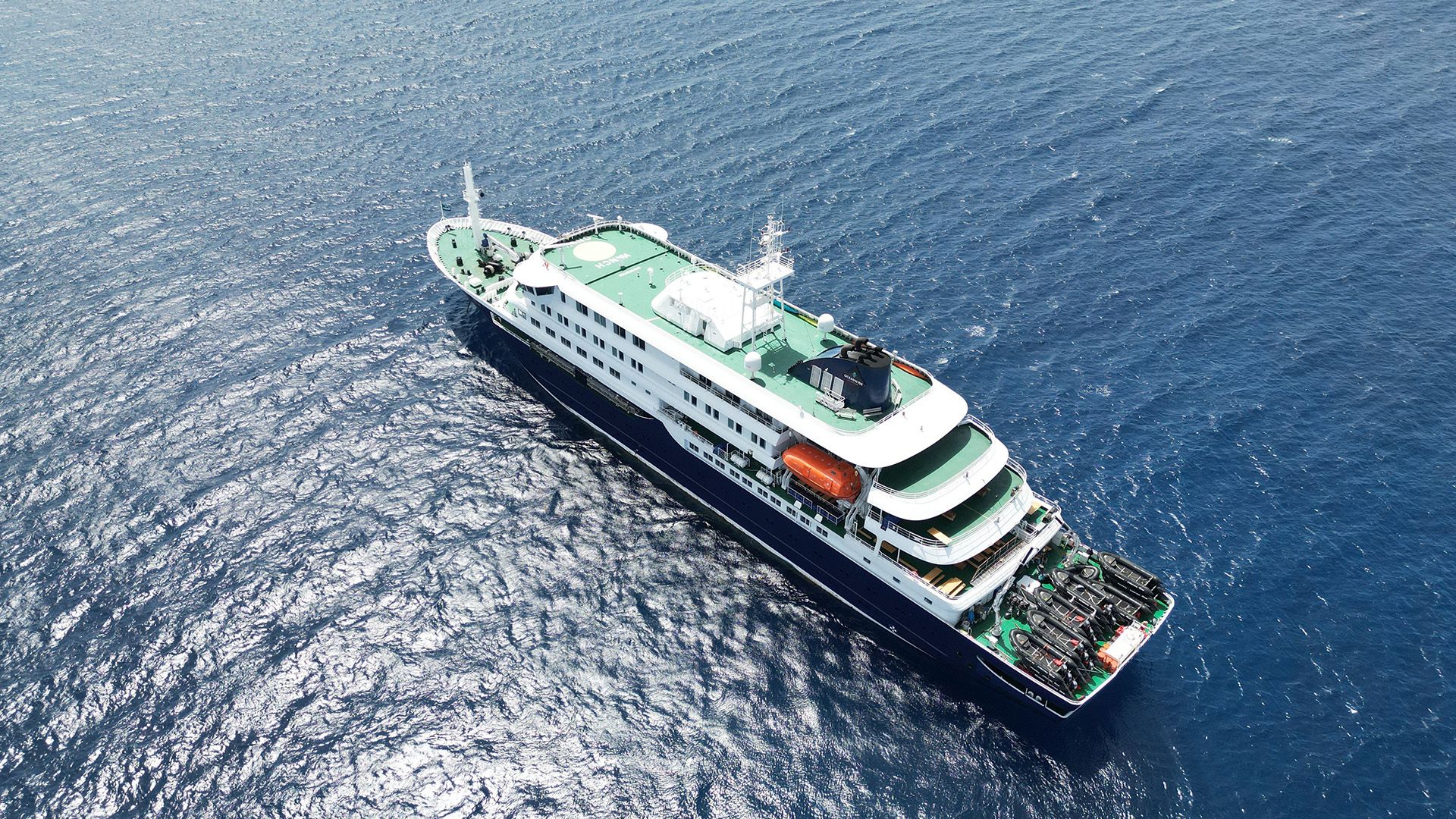
Laborergebnisse grenzen den Fokus eines tödlichen Ausbruchs auf einem Kreuzfahrtschiff ein
Die Gesundheitsbehörden, die einen mit dem Kreuzfahrtschiff MV Hondius verbundenen Cluster von Hantavirus-Erkrankungen untersuchen, haben nun einen konkreteren Verdacht. Laboruntersuchungen haben das Andes-Virus als ursächlich nahegelegt, einen Hantavirus-Stamm mit einer ungewöhnlich schweren Besonderheit: Er ist der einzige bekannte, der von Mensch zu Mensch übertragen werden kann.
Diese Erkenntnis erhöht die Bedeutung eines Ausbruchs, der bereits internationale Aufmerksamkeit erregt hatte. Nach dem vorliegenden Quelltext haben bestätigte und vermutete Hantavirus-Infektionen acht mit dem Schiff im Atlantik verbundene Personen betroffen. Drei Menschen, die während der Kreuzfahrt erkrankten, sind gestorben, darunter eine Person mit bestätigter Hantavirus-Infektion. Mehrere weitere werden wegen vermuteter Infektionen behandelt, und zwei Personen in medizinischer Betreuung haben bestätigte Infektionen.
Warum das Andes-Virus die Risikobewertung verändert
Hantaviren sind eine große Virusfamilie, die von Nagetieren, darunter Ratten, übertragen wird. Infektionen beim Menschen sind relativ selten, können aber schwer verlaufen. Der Quelltext sagt, dass die Sterblichkeitsraten von dem jeweiligen Stamm abhängen und zwischen 1 % und 50 % liegen können.
Die meisten Hantaviren enden mit dem ersten Sprung vom Tier auf den Menschen. Sobald eine Person infiziert ist, werden diese Stämme in der Regel nicht weitergegeben. Das Andes-Virus ist die im Bericht genannte Ausnahme. Dr. Manuel Schibler, Leiter des virologischen Labors am Universitätsspital Genf, sagte, dass ein Hantavirus bekannt sei, das von einem Menschen auf den anderen übertragen werde, und dass dieses Virus Andes sei.
Dieser Unterschied ist operativ entscheidend. Eine von Nagetieren übertragene Infektion ist an Bord eines Schiffs bereits ernst, wo Menschen enge Räume teilen und der Zugang zu medizinischer Versorgung begrenzt sein kann. Ein Stamm mit möglicher Mensch-zu-Mensch-Übertragung stellt ein ganz anderes Eindämmungsproblem dar, das die Behörden dazu zwingt, über Umweltkontakt hinaus an Kontaktverfolgung, Isolation und Übertragungsketten an Bord zu denken.

Die Behörden waren auf diese Möglichkeit bereits vorbereitet
Die Identifizierung des Andes-Virus kam nicht völlig aus dem Nichts. Der Quelltext sagt, dass die Gesundheitsbehörden, einschließlich der Weltgesundheitsorganisation, das Krankheitscluster und Hantaviren als mögliche Ursache in Betracht zogen und bereits vermuteten, dass das Andes-Virus verantwortlich sein könnte.
Auf einer Pressekonferenz am 4. Mai sagte Maria Van Kerkhove, die interimistische Direktorin der WHO für Bereitschafts- und Präventionsmaßnahmen bei Epidemien und Pandemien, die Organisation arbeite unter dieser Annahme und treffe Vorsichtsmaßnahmen, um eine weitere Ausbreitung zu verhindern. Die Labordaten stützen nun offenbar diese frühere Arbeitshypothese.
Diese Abfolge ist wichtig, weil sie zeigt, dass die öffentlichen Gesundheitsbehörden nicht auf perfekte Gewissheit warteten, bevor sie handelten. Bei einem Ausbruch mit einem Erreger, der für seine Letalität und sein ungewöhnliches Übertragungspotenzial bekannt ist, kann Verzögerung teuer werden. Auf ein hochwahrscheinliches Szenario zu reagieren, während die Tests weiterlaufen, ist oft der vertretbarere Weg.
Kein spezifisches Heilmittel, daher hängt die Reaktion von Geschwindigkeit ab
Das Ausgangsmaterial betont auch eine schwierige Realität für Kliniker: Es gibt keine spezifische Behandlung, die eine Hantavirus-Infektion heilt. Unterstützende medizinische Versorgung bleibt das wichtigste Mittel, um die Überlebenschancen eines Patienten zu verbessern. Das legt noch mehr Gewicht auf frühe Erkennung, schnellen Transport in geeignete Versorgung und klare Kommunikation mit möglicherweise exponierten Personen.
Wenn es keine direkte antivirale Lösung gibt, muss das Ausbruchsmanagement mehr leisten. Das bedeutet, zu identifizieren, wer erkrankt ist, wer engen Kontakt hatte und ob die Fälle mit einem gemeinsamen Expositionsereignis, weiterer Übertragung oder einer Kombination aus beidem vereinbar sind. Die bisher vorliegenden Fakten beantworten nicht alle diese Fragen, rechtfertigen aber Vorsicht.

Ein Kreuzfahrtschiff ist ein besonders schwieriges Umfeld
Ausbrüche auf See verdichten oft den üblichen Zeitplan der öffentlichen Gesundheit. Passagiere und Besatzung leben auf engem Raum, Oberflächen werden stark gemeinsam genutzt, und Personen können nach der Exposition in verschiedenen Rechtsgebieten von Bord gehen. Selbst wenn der Erreger nicht leicht zwischen Menschen übertragen wird, erschweren diese Bedingungen die Eindämmung. Mit dem Andes-Virus im Spiel steigt die Belastung für die Reaktion weiter.
Der Quelltext erklärt nicht, wie die ersten Infektionen begannen, und das bleibt eine zentrale offene Frage. Da Hantaviren von Nagetieren übertragen werden, könnte die ursprüngliche Exposition mit kontaminierten Umgebungen zusammenhängen und nicht mit einer direkten Ausbreitung zwischen Menschen. Die Gesundheitsbehörden brauchen jedoch keine vollständige Rekonstruktion, bevor sie entscheiden, dass zusätzliche Vorsichtsmaßnahmen nötig sind.
Die praktische Frage ist, ob Ermittler das Cluster auf die derzeit bekannten Fälle begrenzen können. Wenn die Infektionen hauptsächlich mit einem gemeinsamen Expositionsereignis verbunden sind, könnte der Ausbruch kontrollierbarer sein als die schlimmsten Schlagzeilen vermuten lassen. Wenn eine Mensch-zu-Mensch-Übertragung stattgefunden hat, weitet sich das Überwachungsfenster aus.
Wie es weitergeht
Derzeit ist die am besten gestützte Schlussfolgerung, dass die Labordaten auf das Andes-Virus hindeuten und dass die Gesundheitsbehörden bereits so reagierten, als wäre dies bestätigt. Die im Quelltext beschriebene Zahl macht daraus mehr als nur ein enges technisches Update. Es ist eine Erinnerung daran, dass relativ seltene Erreger zu akuten internationalen Vorfällen werden können, wenn sie in hochbeweglichen, dicht besetzten Umgebungen auftauchen.
Die kommenden Tage werden wahrscheinlich von Fallbestätigung, epidemiologischer Nachverfolgung und der Frage abhängen, ob weitere Infektionen unter Passagieren, Besatzungsmitgliedern oder nachgelagerten Kontakten auftreten. Der Ausbruch ist weiterhin von Unsicherheit geprägt, aber nicht von Unklarheit über den Grad der Besorgnis. Ein Hantavirus-Cluster ist für sich genommen schon ernst. Ein Cluster, der mit dem einzigen bekannten Hantavirus-Stamm verbunden ist, der zwischen Menschen übertragen werden kann, ist noch ernster.
Dieser Artikel basiert auf einer Berichterstattung von Live Science. Den Originalartikel lesen.

Originally published on livescience.com