A legal saga from the NFT boom finally closes
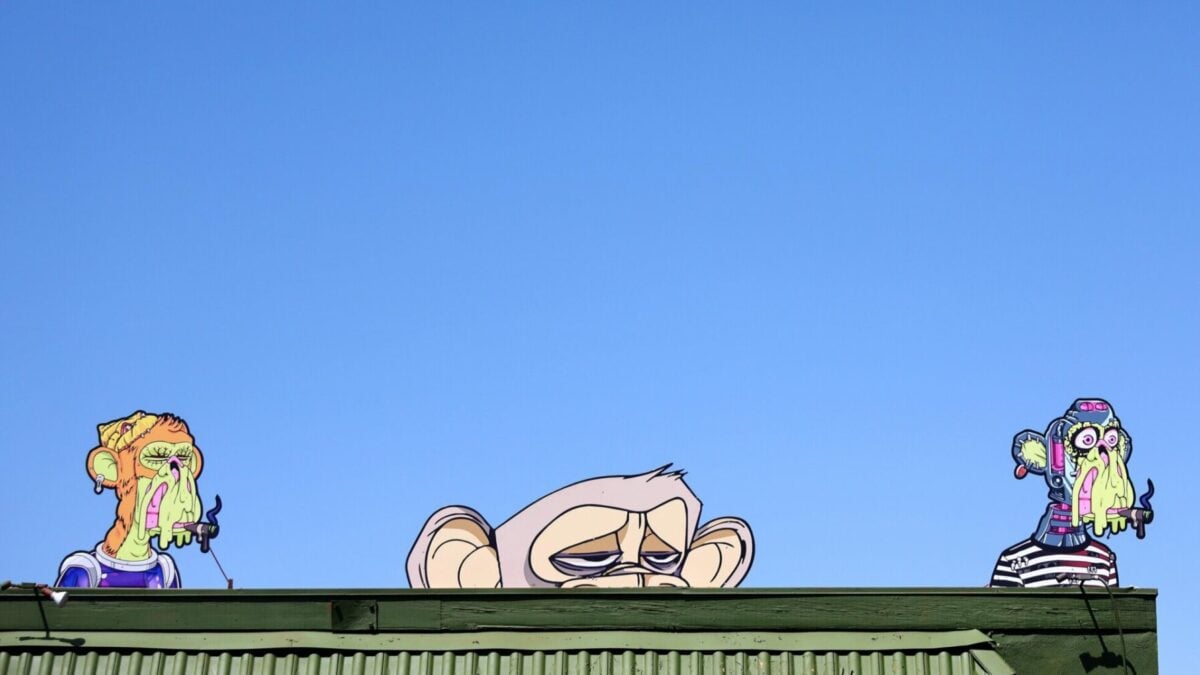
Yuga Labs has settled its long-running lawsuit with artist Ryder Ripps and crypto entrepreneur Jeremy Cahen, according to the supplied source text. The case centered on RR/BAYC, a project created by Ripps and Cahen using imagery associated with Yuga’s Bored Ape Yacht Club NFT collection.
The full settlement terms are confidential, but the supplied material says the agreement bars Ripps from using Yuga Labs-owned trademarks and images. That outcome effectively closes one of the most visible and contentious legal battles left over from the peak years of NFT speculation.
How the dispute started
The conflict emerged after Bored Ape Yacht Club became one of the signature brands of the 2021 NFT boom. As prices for prominent NFT collections surged, the apes became both a status symbol and a lightning rod for criticism.
According to the supplied text, Ripps argued that Yuga Labs was embedding racist imagery into the Bored Ape project and published a page titled “Bored Ape Yacht Club is Racist and Started by Neo-Nazis.” In conjunction with Cahen, he then launched RR/BAYC, described on the project website as “appropriation art” and framed as protest and satirical commentary.
The project sold NFTs using Bored Ape Yacht Club imagery. Buyers were presented with a disclaimer saying the work was a new mint of BAYC imagery, recontextualized for educational purposes, protest, and satirical commentary. That framing became central to the larger dispute over whether RR/BAYC was artistic commentary, commercial exploitation, or both.
Yuga’s legal response
Yuga Labs responded with a broad lawsuit. The claims listed in the supplied source text included false designation of origin, false advertising, cybersquatting, trademark infringement, unfair competition, unjust enrichment, conversion, and tortious interference.
Yuga argued that the defendants were misusing its trademarks and misleading consumers into purchasing copycat NFTs. In the company’s account, RR/BAYC sought to devalue the original Bored Ape market by flooding it with lookalike assets while trading on Yuga’s brand recognition.
That legal framing turned the case into more than a niche crypto fight. It became a test of how existing trademark and consumer-protection doctrines would apply to NFT collections that depended heavily on branding, digital scarcity claims, and online community identity.
Why the case stood out
The dispute drew sustained attention because it combined several volatile elements of the NFT era: speculative digital assets, internet celebrity, conceptual-art defenses, extreme online rhetoric, and unresolved questions about what ownership means in tokenized media markets.
The supplied text describes the trial as chaotic and notes that a judge later wrote the defendants were “obstructive and evasive” during depositions and testimony. The same passage says the court criticized them for making disgraceful and slanderous statements. Even in a sector defined by spectacle, the case stood out for its intensity and disorder.
That matters because Bored Ape Yacht Club was not a marginal project. It became one of the best-known NFT brands of the boom period. A lawsuit involving that brand, and a direct challenge built from its own imagery, inevitably took on symbolic significance for the wider market.

A marker of the post-boom NFT landscape
The settlement lands after the crest of NFT mania has already passed. The supplied article explicitly notes that Bored Ape Yacht Club NFTs sold for the equivalent of millions of dollars in 2021, followed by a later NFT crash. That arc is central to understanding why this case mattered for so long.
At the height of the market, questions of brand control, originality, satire, and consumer confusion were often overshadowed by rapid price appreciation. Once the market cooled, unresolved legal and commercial disputes became harder to ignore. The Yuga-Ripps fight was one of the biggest examples.
Now that it has settled, the dispute offers a measure of closure for an era that left many loose ends behind. The confidentiality of the agreement limits what can be concluded about each side’s final calculation, but one element is clear from the supplied text: Ripps is barred from using Yuga’s trademarks and images.
What the settlement signals
That restriction points to a practical outcome even without full transparency on terms. However the parties characterize the case, the result reinforces the importance of trademark control in NFT-related branding disputes. It also suggests that the room for projects built around near-identical use of a famous NFT collection’s imagery may be narrower than some advocates claimed during the boom.
The case will likely remain part of the historical record of the NFT era because it concentrated many of the period’s contradictions into a single fight. It involved art-world rhetoric and hard commercial claims, digital protest and alleged consumer confusion, internet spectacle and conventional trademark law.
With the settlement in place, one of the strangest and most protracted legal battles from NFT mania has ended. The market may have cooled, but its defining conflicts are still shaping how the era will be remembered.
This article is based on reporting by Gizmodo. Read the original article.

Originally published on gizmodo.com