Technology is moving into aged care, but human contact remains the test
Australia’s aged-care sector is becoming a proving ground for AI, machine learning, robotics, and immersive digital experiences. A new Guardian report frames that shift through a central tension: can new tools make care more humane, or will they become a substitute for the human contact that vulnerable residents still need most?
The answer offered in the supplied source text is cautious rather than utopian. Companion robots are being introduced and virtual experiences are being used to combat boredom and loneliness, but the strongest expert voice in the piece says technology should support humans, not replace them.
The warning from inside social robotics
One of the most striking elements in the report is that the caution comes from a technology advocate, not a skeptic. Prof Wendy Moyle, who runs the social robotics laboratory at Griffith University in Queensland, says, “You’ll never get rid of humans,” before adding, “Well, I don’t think we’ll get rid of humans.”
That hesitation matters. It shows that even people working directly on social robotics see the pace of change and understand why the replacement question cannot be brushed aside. Moyle’s vision, as described in the article, is for technology that helps people stay at home longer or frees up carers in residential homes to spend more meaningful time with residents.
That framing sets a clear standard. Technology in aged care should create more room for human connection, not less. It should absorb certain burdens so that care staff can focus on the parts of the job that depend on empathy, reassurance, familiarity, and trust.

Why the sector is turning to technology now
The source text ties the shift to two hard realities. Australia is facing an ageing population, and aged care is already under pressure from workforce shortages. The article also notes chronic issues of neglect and abuse, making clear that the sector’s difficulties are not new and cannot be solved by gadgets alone.
That is why the story resists easy techno-solutionism. Technology is described as not being a “magic bullet” for systemic problems. Even so, the article says there are innovations improving lives. The argument is not that AI and robotics are irrelevant. It is that their value depends on how they are introduced and what role they are asked to play.
This is a familiar pattern in emerging technology: adoption is often driven first by structural strain. In aged care, that strain includes staffing shortages, rising demand, and the need to address loneliness, inactivity, and reduced stimulation among residents. The question is whether technology is being deployed as care infrastructure or as a budgetary stand-in for care itself.
What good use can look like
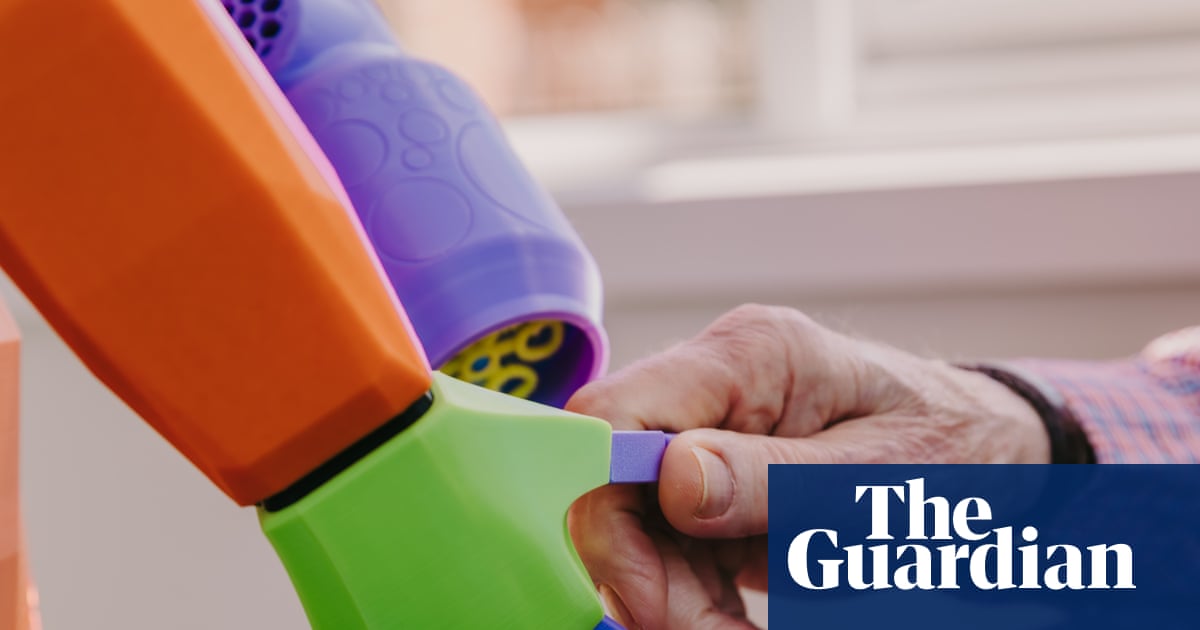
The Guardian piece offers several examples that lean toward enrichment rather than replacement. One image shows Abi, a system that uses AI and machine learning to interact with aged-care and assisted-living residents. Another section describes a virtual-reality experience at St Vincent’s Care in Toowoomba, where residents can effectively take a train ride through the Swiss Alps.
The setup is described in vivid detail. Residents dress up and arrive at a replica of France’s Lourdes Station, where an old-fashioned sign announces a departure to Switzerland from platform 1 at 9.45am. Elzette Lategan, the residential care services manager, says, “We take boredom away … and bring in hope.”
That example is revealing because it shows technology being used not as a clinical replacement, but as emotional and social stimulation. The supplied source text also cites Aged Care Research and Industry Innovation Australia as saying virtual reality can improve mood, cognition, memory, problem-solving skills, and spatial awareness.
If those benefits hold in practice, they point toward a category of technology that adds quality to care environments without pretending to replace carers. It is a model built on augmentation and experience.

What can go wrong when design outruns care
The article also includes a cautionary example about a machine designed to lift people off a bed, from the floor, or out of a chair. According to Moyle, no one wanted to use it because they were frightened by its size and by how high it lifted them.
That anecdote is one of the most important in the piece because it captures a recurring failure in emerging technology: engineers can solve a functional problem and still miss the human one. A machine can work technically and fail emotionally. In care settings, where trust and perceived safety are central, that failure can be decisive.
Moyle’s criticism is that engineers often charge ahead without involving health professionals and the people who will ultimately use the technology. That is not a marginal design complaint. It is a warning that adoption may fail when users are treated as afterthoughts.
The real debate is not whether technology belongs
The supplied source text suggests the deeper debate is not whether AI and robotics belong in aged care. They already do. The real debate is what counts as acceptable substitution, what counts as support, and who gets to define success.
In that sense, aged care is becoming a test case for a much wider social question around AI. If a technology can reduce loneliness, improve mood, or help staff spend more meaningful time with residents, it may be welcomed. If it is introduced mainly to reduce human presence, resistance will be stronger, including from people who otherwise support technological progress.

A sector under pressure, and a line it does not want crossed
The strongest message in the article is that aged care needs help, but not at the price of becoming less human. Australia’s demographic pressures and workforce shortages make experimentation with AI and robotics almost inevitable. Yet the people closest to the field are drawing a line: support care, do not hollow it out.
That line may prove to be one of the most consequential boundaries in applied AI over the next few years. In aged care, efficiency is not enough. A system can save staff time and still fail if residents feel frightened, isolated, or processed. The technologies most likely to endure will be those that strengthen dignity and connection rather than treating them as optional extras.
This article is based on reporting by The Guardian. Read the original article.
Originally published on theguardian.com