The job search is becoming a content strategy
For many Gen Z workers, applying for jobs now means more than tailoring a resume and waiting for a response. In a tougher hiring market, young candidates are increasingly turning to social media to get noticed, treating platforms such as LinkedIn, TikTok, and even more unconventional digital spaces as channels for visibility, personality, and direct access to decision-makers.
The shift reflects both necessity and generational fluency. The supplied source text describes a market where vacancies have fallen, unemployment has climbed, and applicants face unusually intense competition. LinkedIn data cited in the source says the global hiring rate has dropped to a five-year low, while the number of applicants per job opening has risen by nearly 30%. In that environment, standing out through traditional application pipelines has become harder, especially for early-career candidates without long work histories or elite networks.
That pressure is reshaping behavior. Instead of relying only on formal submissions, some job seekers are posting personal pitches, short videos, presentation-style portfolios, and direct outreach to executives. The logic is simple: if algorithmic filters and crowded inboxes block the conventional route, social visibility may create another route into the conversation.
AI screening is part of the story
The source text directly links this trend to the growing use of AI in recruitment. Companies are leaning more heavily on automated systems to vet resumes and, in some cases, conduct interviews at scale. For applicants, that can make the process feel both opaque and impersonal. When a candidate believes a human may never really see a submission, the incentive to build attention elsewhere grows stronger.
That is one reason social media has become strategically useful. A personal video or widely shared post can do what a resume often cannot: communicate tone, confidence, communication style, and cultural fit in a way that feels immediate. For a generation already used to building identity through online content, translating that behavior into career tactics is not a large leap.
The source quotes career experts describing TikToks as extensions of Gen Z resumes and notes that young workers are using every tactic available to get noticed. That framing captures something larger than a passing trend. The boundary between personal branding, professional identity, and platform-native self-presentation is eroding.
Authenticity becomes a hiring tactic
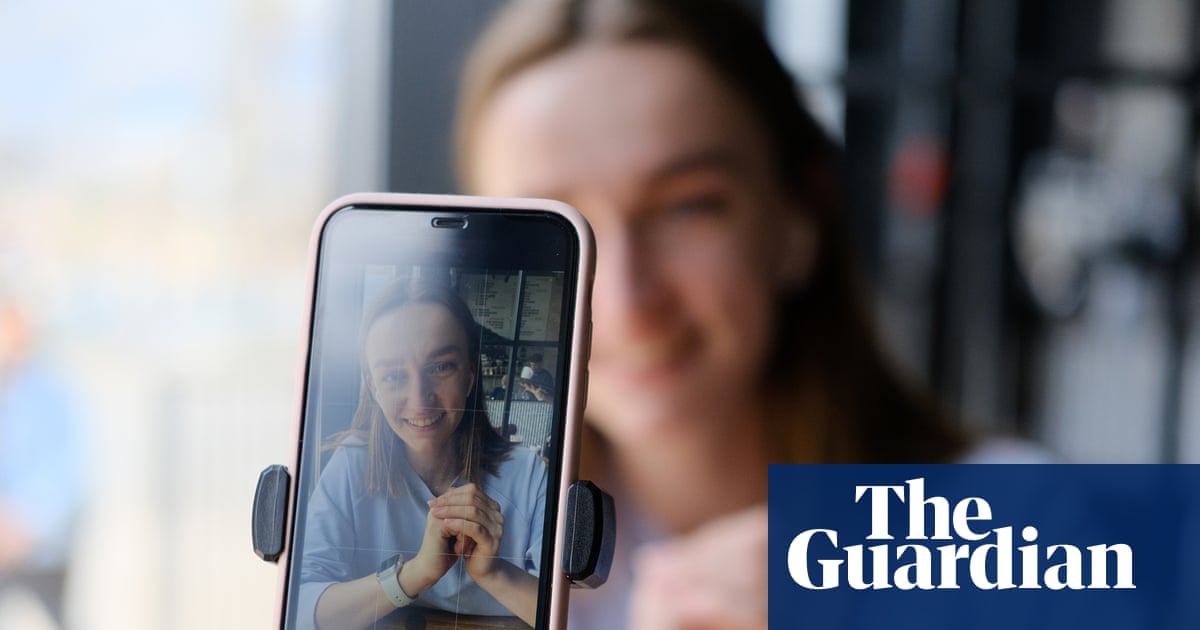
One of the examples in the source text involves a young creative worker who used humor, confidence, and a highly personal presentation style to pitch herself directly to senior executives after layoffs. She ultimately secured a new role that also represented a step up. The point is not that every candidate can replicate the same formula. It is that a growing number of applicants believe memorability now matters almost as much as formal credentials.
That is a cultural change in how employment is pursued. Earlier models of professional advancement often rewarded polish, restraint, and adherence to standard formats. The emerging model, at least for some sectors, rewards a more visible and distinctive public voice. Employers may still demand competence, but candidates increasingly feel they must market that competence in ways that resemble creator behavior.
This can work especially well in communications-heavy fields such as marketing, media, design, and advertising, where a job search artifact can double as a live sample of taste and skill. But the underlying dynamic is broader. When too many applicants chase too few roles, almost any edge becomes valuable.

The risks behind the strategy
Still, the trend is not a simple empowerment story. The source includes a line that captures the downside clearly: workers should not have to become influencers to get a job. That criticism matters because social-media-first hiring tactics reward traits that are unevenly distributed and not always related to job performance. Confidence on camera, platform literacy, physical presentation, and time to create polished content can all shape outcomes.
There is also a fairness question. If formal hiring systems become so crowded or automated that applicants need public performance to break through, the hiring market may become less transparent rather than more. Social visibility can help some candidates bypass gatekeepers, but it can also create new pressures to be constantly legible, charismatic, and online.
The growing role of AI in recruiting intensifies that tension. Automation promises efficiency for employers, but it may also push applicants toward more labor-intensive self-promotion outside the official process. In effect, the resume is not disappearing. It is being supplemented by an unpaid, ongoing performance of professional identity.
What this says about work now
- A weak hiring market is pushing young workers to experiment with public, unconventional job search tactics.
- AI-driven screening is making traditional application channels feel less visible and less human.
- Social platforms are becoming hybrid spaces where personal expression and professional ambition overlap.
- The trend creates opportunities for standout candidates, but also new burdens and inequities.
For employers, this shift should be read as a signal rather than a novelty. When applicants feel they must post, pitch, and perform to reach a hiring manager, it suggests the conventional system is not working well enough on its own. For Gen Z, the takeaway is more immediate: the job market is demanding not just qualifications, but distribution. In a crowded field, being discoverable is becoming part of being employable.
That may prove to be one of the defining labor-market changes of the AI era. Hiring is no longer only about matching skills to roles. It is also about navigating algorithms, attention, and the blurred line between a professional profile and a personal feed.
This article is based on reporting by The Guardian. Read the original article.
Originally published on theguardian.com