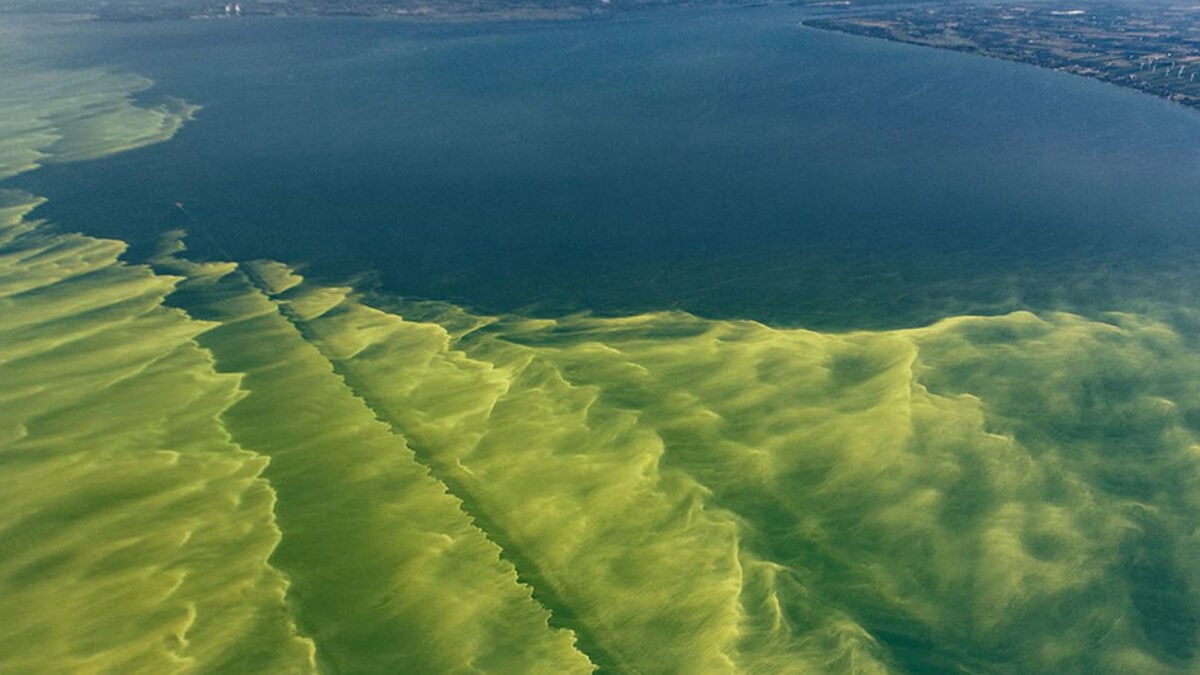
Lake Erie’s Algal Threat May Be Broader Than Routine Monitoring Captures
New research described by Gizmodo suggests harmful algal blooms in western Lake Erie produce a shifting mix of cyanobacterial toxins across the warm season, including compounds that conventional monitoring may not fully detect. The findings were reported in two papers published in
Environmental Toxicology and the
ISME Journal.
The core conclusion is that Lake Erie’s annual bloom problem is not defined by a single dominant toxin. Instead, researchers say the blooms generate a rotating “soup” of compounds that changes across three seasonal phases. That has direct implications for public-health surveillance and ecological risk assessment, especially as harmful algal blooms expand with climate change.
More Than the Best-Known Toxins
Officials and scientists have long monitored cyanobacterial blooms because exposure can cause health problems ranging from skin irritation to severe illness. Large blooms can also disrupt acidity and oxygen levels in freshwater systems, placing ecosystems under additional stress.
But the new work argues that the monitored set of toxins captures only a small fraction of the broader chemical picture. Gizmodo, citing the Environmental Toxicology paper, says the four cyanotoxins and related compounds commonly monitored by officials represent only about 10 percent of the more than 3,000 cyanobacterial metabolites identified to date.
That gap matters because it means management systems may be targeting the best-known hazards while missing a larger and less understood toxic landscape. The paper describes that broader threat as an “even greater, largely unassessed toxicological unknown,” underscoring how incomplete routine monitoring may be.
A Three-Phase Seasonal Pattern
For the ISME Journal study, researchers collected algal samples monthly from May through October between 2016 and 2022. They analyzed both microbial DNA and the compounds produced by the microbes, allowing them to map how toxin production changes over time.
The result was a three-phase life-cycle pattern. In the initial phase, microcystin, the best-known toxin in many public warnings, dominates. Later in the season, the bloom community shifts toward several cyanopeptides, including anabaenopeptins, aeruginosins, and aerucyclamides. That means public perception of the hazard as a single recurring toxin event may be too narrow.
Instead, the risk appears dynamic, with different compounds becoming more important as conditions change through the season. A monitoring regime built mainly around early-phase expectations may therefore miss part of the problem.
Climate and Public Health Pressure
Gregory Dick of the University of Michigan, the senior author on both papers, told Gizmodo that harmful algal blooms are expanding with climate change. That context raises the stakes of the Lake Erie findings. If bloom seasons become more frequent, intense, or persistent, then a larger and more varied toxin mix could become a more common challenge for communities, regulators, and water managers.
The issue is not only academic. Lake Erie is a heavily used freshwater resource, and confidence in monitoring systems matters for drinking water, recreation, fisheries, and regional planning. If some bloom-related compounds evade standard detection, then authorities may need to rethink what they test for and how they communicate risk.
A More Complicated Hazard Picture
The new research does not suggest that existing toxin monitoring is useless. It suggests that it may be incomplete relative to the full complexity of cyanobacterial chemistry in Lake Erie. That is an important distinction. Public systems are still catching known dangers, but the studies argue they may not yet be measuring the whole threat profile.
For readers of emerging science and environmental risk, this is the real significance of the work. It reframes harmful algal blooms from a known seasonal nuisance into a more adaptive and chemically diverse hazard. That should influence both research priorities and regulatory expectations.
If Lake Erie’s toxic blooms are indeed a rotating seasonal mixture rather than a single recurring event, then the next phase of response will need to be broader, more flexible, and more chemically informed than the status quo.
This article is based on reporting by Gizmodo. Read the original article.
Originally published on gizmodo.com