A symbolic alliance is raising hard questions
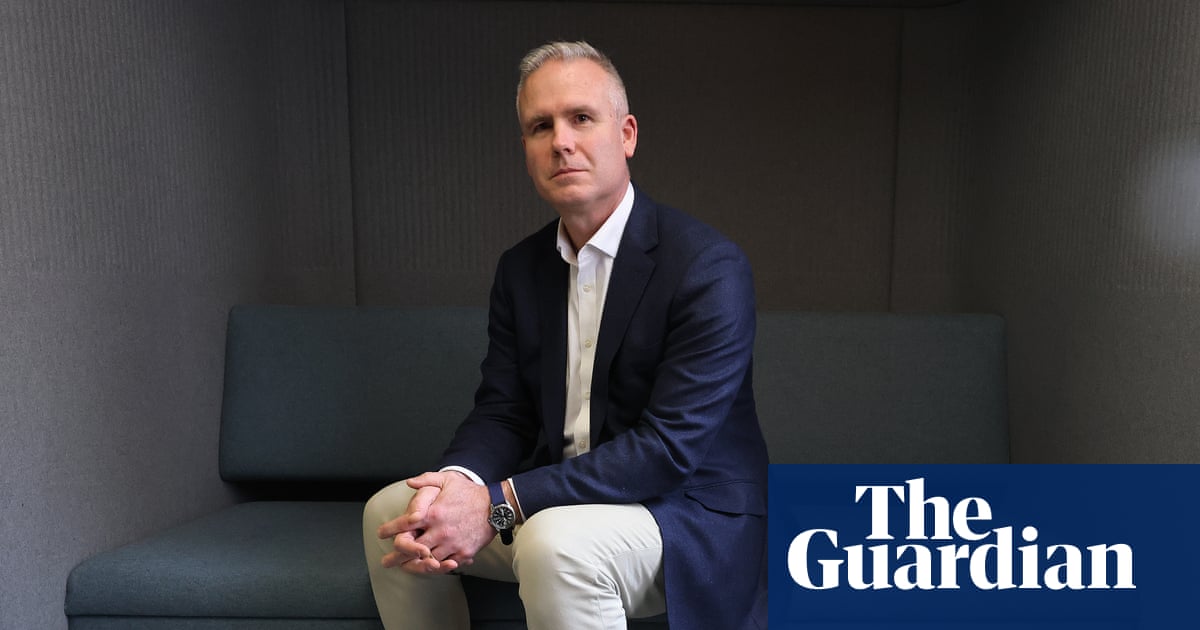
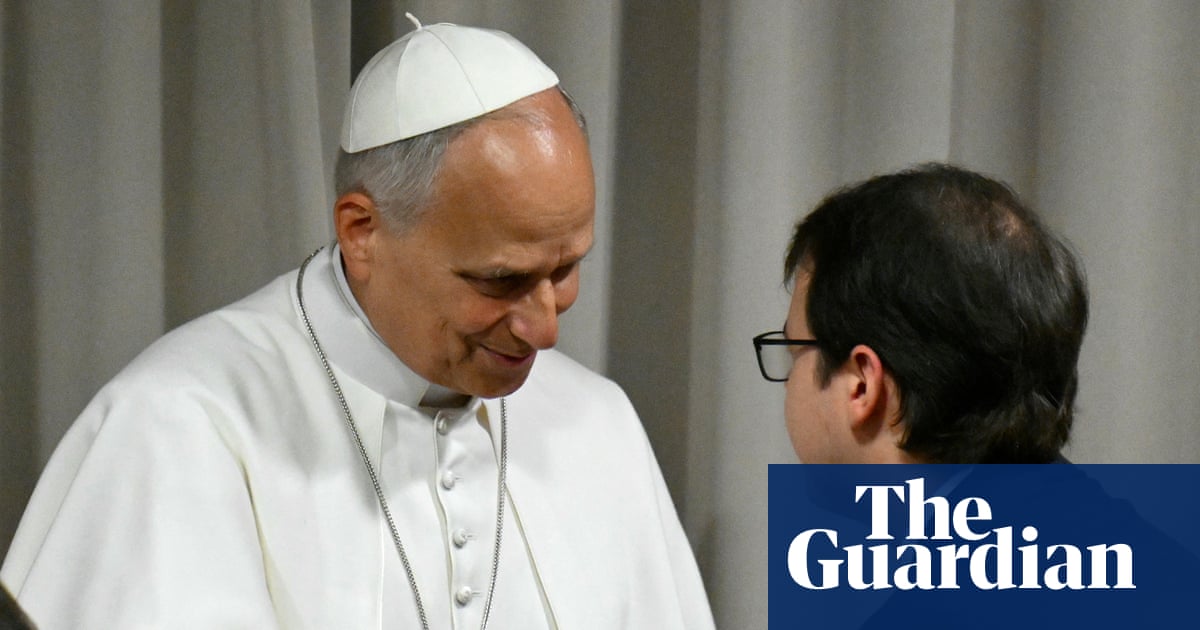
In one of the earliest major technology interventions of his papacy, Pope Leo XIV used a written teaching to warn about artificial intelligence as a force that could replace workers, accelerate war, and exploit the environment. But the Vatican ceremony surrounding that message added an unexpected layer to the debate: Anthropic co-founder Chris Olah appeared alongside the pope at the event.
That pairing has become the center of a wider argument about the relationship between moral authority and AI industry power. Critics cited in the source material say the appearance risks producing a reassuring ethical image without forcing serious accountability on the companies building the systems under scrutiny. The result is a sharper public question: when an AI company appears beside a religious institution warning about AI harms, is that evidence of constructive engagement or a form of reputational insulation?
The issue matters because Anthropic is not an observer of the AI boom. It is one of the companies actively driving it. That makes the optics unusually complicated. A major religious leader is outlining threats to labor, war, and the environment while one of the industry’s most prominent figures stands beside him. For supporters, that could suggest dialogue. For critics, it can look like contradiction.
The labor issue is central
Of the concerns described in the source text, the threat to work stands out most clearly. Pope Leo’s teaching emphasizes the dignity of human labor, and that makes AI-driven job displacement an especially sensitive point of tension. Critics quoted in the source material argue that this is exactly where the gap between public ethics language and industry incentives becomes hardest to ignore.
Pete Furlong of the Center for Humane Technology, as summarized in the supplied text, argues that major AI companies are building systems designed to replace people. The source also notes that Anthropic’s own labor market analysis from March found certain professions, including coders, customer service workers, and data-entry workers, to be especially exposed to automation. A separate survey from Epoch AI, also cited in the source, reported that 20% of full-time workers in the United States said AI had taken over parts of their job.
Those details complicate any simple reading of Anthropic’s Vatican engagement. The company can reasonably argue that participating in a moral conversation is better than avoiding it. But critics can also point out that acknowledgment is not the same as restraint, and concern is not the same as institutional change.
Ethics language versus business trajectory
The tension becomes more pronounced because AI companies increasingly speak in the language of responsibility while simultaneously racing to expand capability and adoption. Anthropic in particular has cultivated a public identity around safety and responsible development. That branding differentiates it from some competitors, but it also makes symbolic partnerships more politically loaded.
The source text includes the phrase “Vatican-washing” to capture the concern that such engagement could become a feelgood exercise for both sides. In that critique, the church gains access to one of the most influential sectors shaping the modern economy, while the company gains moral association with a globally respected institution. What may be missing, critics say, is meaningful confrontation over what companies are actually building, how fast they are deploying it, and who bears the cost.
That is why the moment resonates beyond the Catholic church. Similar questions are emerging across universities, governments, media organizations, and civil society groups whenever AI firms join ethics panels, advisory boards, or public-interest initiatives. The underlying issue is not whether dialogue is useful. It is whether dialogue changes product strategy, deployment speed, labor impacts, or military applications in any measurable way.

Why the optics matter now
The timing is significant. AI systems are moving from abstract promise into workplace software, coding tools, customer service systems, and decision support products at speed. As that happens, public debate is shifting from speculative long-term scenarios to immediate social effects. Job displacement, surveillance, environmental cost, and dual-use military concerns are no longer fringe topics. They are becoming part of mainstream political and cultural discussion.
Seen in that context, the Vatican event functions as a test case in how institutions respond to AI power. One model is engagement: invite companies in, speak directly, and hope influence flows through contact. The other is adversarial distance: keep clear institutional separation until firms show stronger evidence of accountability. The source material does not resolve that debate, but it does show why the question is becoming harder to avoid.
Anthropic’s presence beside Pope Leo gave the issue a vivid public form. Instead of discussing abstract ethical frameworks, observers were left to evaluate a real tableau of influence, legitimacy, and contradiction. That is why the moment has drawn attention beyond theology or corporate communications.
What this episode signals
- Religious and civic institutions are taking AI’s labor, military, and environmental consequences more seriously.
- AI companies are increasingly seeking participation in those conversations, not standing outside them.
- Critics worry that symbolic alignment can soften scrutiny without changing the incentives driving deployment.
- The core test is whether ethics engagement leads to concrete limits, protections, or policy shifts.
The Vatican appearance may not define Anthropic’s trajectory, and it may not define Pope Leo’s approach to technology either. But it has crystallized a broader reality: in the AI era, ethical language and industrial power are now colliding in full public view. Institutions that want to shape the future of AI will have to decide whether proximity creates leverage, confusion, or both.
This article is based on reporting by The Guardian. Read the original article.
Originally published on theguardian.com