Nevada pushes a major child-safety settlement
Roblox has agreed to a settlement with the state of Nevada that will require the gaming platform to adopt stronger protections for young users and provide more than $12 million in payments and program support. State officials described the agreement as a first-of-its-kind deal, and its terms suggest regulators are looking for operational safety changes rather than fines alone.
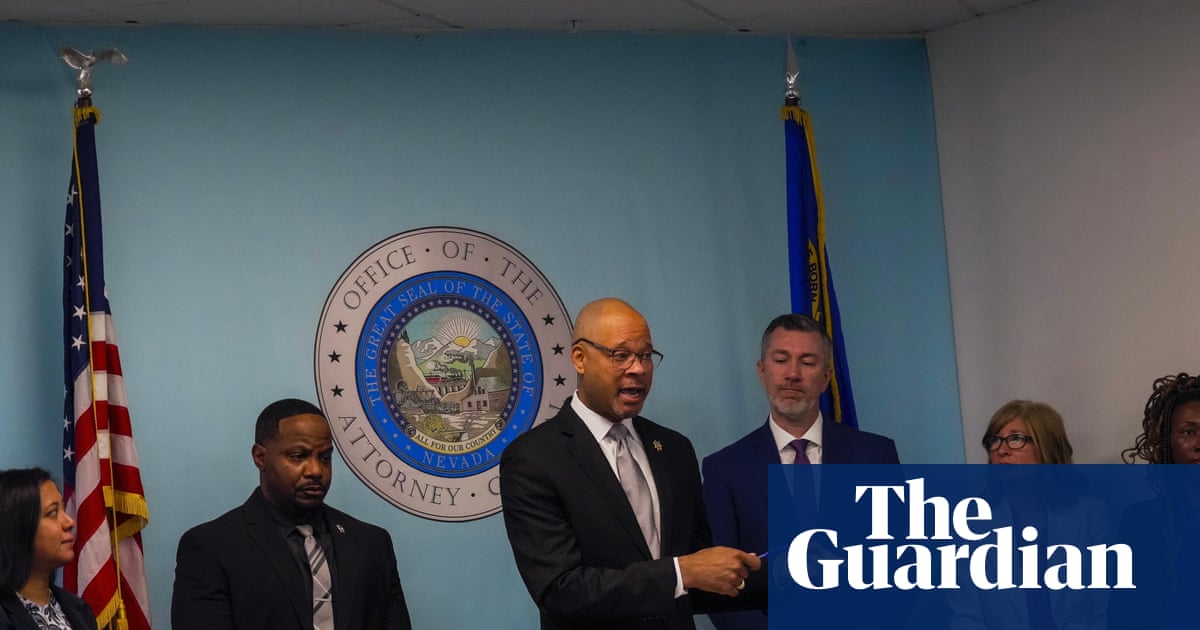
The settlement includes a direct payment structure and a set of product and policy commitments. Nevada Attorney General Aaron Ford said Roblox would provide $10 million over three years to support programs including the Boys and Girls Club and other nondigital activities. The agreement also funds a law-enforcement liaison position to respond to platform safety concerns and an online safety awareness campaign.
What Roblox has agreed to change
The platform will implement stronger protections for minors, including age verification for all users, limits on nighttime notifications for minors, and restrictions on chats. According to the report, Roblox will also use facial age-estimation technology to limit younger users’ chats to others in similar age groups. Adult users and users under 16 will not be paired together in chat under that framework.
Those measures matter because they move beyond general promises of safety and into specific design controls. Age verification affects who can access what. Notification limits address engagement mechanics. Chat restrictions target one of the most sensitive risk areas for minors on large interactive platforms.
Why the settlement stands out
Nevada’s attorney general framed the agreement as a bellwether for how online interactive platforms allow young users to use their products. That language suggests state officials see the settlement not as an isolated case, but as a model with broader implications. Roblox itself called the deal a landmark agreement and said it builds on the company’s work to establish a new standard for digital safety.
The timing is also important. The report notes that Roblox faces litigation in other states, including Texas and Kentucky, over allegations that it has failed to protect children. More broadly, prosecutors have been taking action against major technology and social-media companies over product designs that affect minors. Nevada’s settlement fits into that wider push, but it does so with a platform that is especially prominent among children.
A platform with exceptional youth reach
The report says Roblox is used by nearly half of US children under 16. That scale helps explain why regulators are focusing on the company. Safety measures on a platform with that reach can have outsized effects, both in practice and as precedent. If changes made in Nevada become baseline expectations elsewhere, other companies could face pressure to adopt similar controls.
That possibility is strengthened by the specific mix of requirements in the agreement. This is not just about content moderation in the abstract. It addresses account age, communication rules, time-based prompts, and coordination with law enforcement. In other words, it treats youth safety as a product-design issue as much as a legal one.
What comes next
The settlement was reached in lieu of litigation, which means Roblox avoids a court fight in Nevada while taking on a public set of obligations. The more important test now is implementation. Safety promises often sound strong at the announcement stage. Their impact depends on enforcement, technical execution, and whether the measures materially change how minors experience the platform.
Even so, the Nevada agreement is notable on its face. It combines money, oversight, age controls, and communication limits in a way that reflects a tougher regulatory posture toward products used heavily by children. For Roblox, it creates a higher standard to meet. For the wider technology industry, it may mark another step toward a world in which youth safety features are no longer optional or reactive, but expected from the start.
This article is based on reporting by The Guardian. Read the original article.
Originally published on theguardian.com