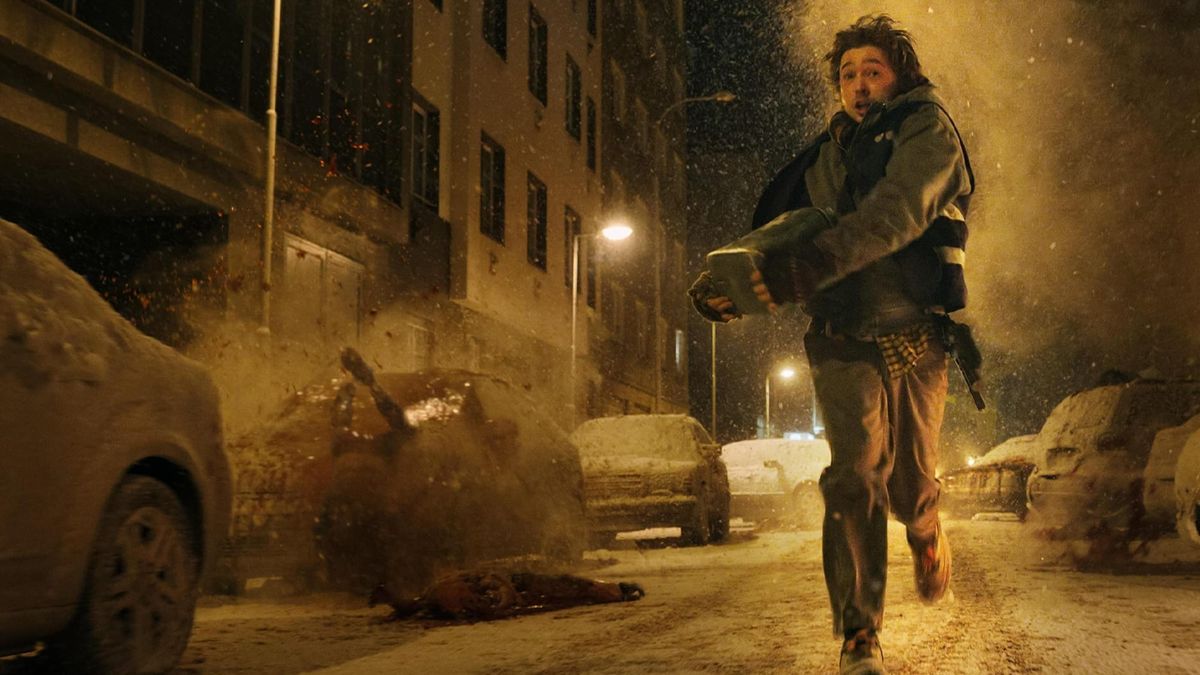
Resident Evil is back on screens, and the earliest word from Engadget suggests the franchise may finally have the adaptation it has long deserved. In the outlet's assessment, the new film is another horror classic from the director of Weapons — and, crucially, it manages to capture the survival horror magic that has defined the games for decades. For a series with such a long and uneven screen history, that is a notable claim.
The phrasing matters. Calling a film "another horror classic" from a specific filmmaker is not a neutral description; it places the new Resident Evil alongside that director's previous work and argues that both belong in the same conversation. The review's central compliment — that the movie taps into the games' survival horror identity rather than merely borrowing their branding — speaks directly to what fans have wanted from every prior adaptation.
A Franchise That Has Always Resisted Easy Adaptation
Resident Evil occupies an unusual place in pop culture. It began as a video game series built on tension, resource scarcity and dread, and it grew into one of the most recognizable horror properties in the world. That reach made it an obvious target for Hollywood, but the qualities that made the games memorable are also the qualities that are hardest to translate into a passive medium.
Games put the audience behind the controls. Players decide when to move, when to fight and when to run, and much of the fear comes from knowing that every choice could be the wrong one. A film cannot hand that agency to a viewer. What it can do is reproduce the texture of that experience: the sense of being trapped, under-equipped and outmatched.
According to the Engadget take, the new Resident Evil does exactly that. Rather than treating the games as a plot outline to be strip-mined, it appears to treat them as a tone to be preserved. That distinction is the difference between a movie that references a franchise and one that genuinely understands it.

What "Survival Horror Magic" Actually Means
Survival horror is a deceptively simple idea. It is not just horror with monsters; it is horror with constraints. The genre's identity comes from the way it withholds things — ammunition, safe rooms, reliable information — and then turns that withholding into suspense.
Scarcity as a Storytelling Engine
In the games, scarcity is the primary source of anxiety. A player who is low on supplies plays differently: more cautiously, more deliberately, more fearfully. When a film adapts that principle, the equivalent is a script that refuses to let its characters solve problems cleanly. Every confrontation costs something, and every apparent victory carries a debt.
The review's emphasis on survival horror suggests the new movie understands this economy of tension rather than treating combat as pure spectacle. That is a meaningful signal, because action-horror and survival horror pull in opposite directions. One rewards momentum; the other rewards hesitation.
Atmosphere Over Shock
The other half of the genre's appeal is environmental. Survival horror lives in corridors, in flickering light, in the sound of something moving just out of view. It builds dread slowly and then spends it carefully. A film that captures that rhythm feels fundamentally different from a film that simply stacks jump scares — and the early word here is that the new Resident Evil lands on the atmospheric side of that divide.
The Pressure of Enclosure
Claustrophobia is a shared language between the two media. The games are known for tight spaces and limited sightlines, and cinema has its own vocabulary for the same effect. When a director understands that the walls are part of the monster, an adaptation stops feeling like a licensing exercise and starts feeling like horror.
Why the Director of Weapons Matters
The most concrete piece of information in the early coverage is the filmmaker's pedigree. Being framed as the director of Weapons positions this project as a continuation of an established voice rather than a hired-gun assignment. Studios frequently hand horror franchises to directors with no particular sensibility for the genre; the framing here suggests the opposite.
That continuity is arguably the most important variable in any adaptation. A Resident Evil movie succeeds or fails on whether someone with a genuine feel for horror is making the creative calls — someone who knows when to cut away, when to hold a shot a beat too long, and when silence is more frightening than a sound cue.
The Engadget line implies confidence on that front. It treats the film not as a gamble but as the next entry in a body of work, and it places the result in the same category as the director's previous horror effort.
What Audiences Should Take From Early Praise
First reactions are not verdicts, and a single review cannot settle a franchise's reputation. Still, the specific claim being made here is more interesting than generic praise, because it addresses the exact thing that has been difficult about Resident Evil on screen for years.
- The film reportedly preserves the games' survival horror tone rather than converting the series into pure action.
- The director's prior horror work is treated as a marker of quality, not just a credit line.
- The adaptation is described as a classic in its own right, not merely a competent tie-in.
- The through-line is atmosphere and constrained tension — the defining traits of the source material.
If those points hold up beyond the first wave of coverage, the new Resident Evil could serve as a template. Franchises with deep gaming roots have long struggled to find filmmakers willing to honour tone over iconography; a success here would give studios a reason to keep trying.
The Bigger Picture for Horror Adaptations
Horror is currently one of the most reliable genres at the box office, and video game properties remain one of the largest untapped libraries in entertainment. The two trends intersect naturally, which is why a well-received Resident Evil film carries weight beyond its own franchise.
What the Engadget assessment suggests is that fidelity to feeling — not fidelity to plot beats — is what earns this kind of reception. The games' legacy is not a checklist of characters and locations; it is a mood. A movie that respects the mood can deviate from the details and still feel authentic, and that is precisely the balance this new adaptation appears to strike.

The Bottom Line
The new Resident Evil movie arrives with a strong endorsement: Engadget calls it another horror classic from the director of Weapons and credits it with capturing the survival horror magic of the games. That is exactly the outcome fans have hoped for since the series first made the leap to screens, and it is the strongest indication yet that the franchise's best film adaptations may still be ahead of it rather than behind it.
This article is based on reporting by Engadget. Read the original article.
Originally published on engadget.com