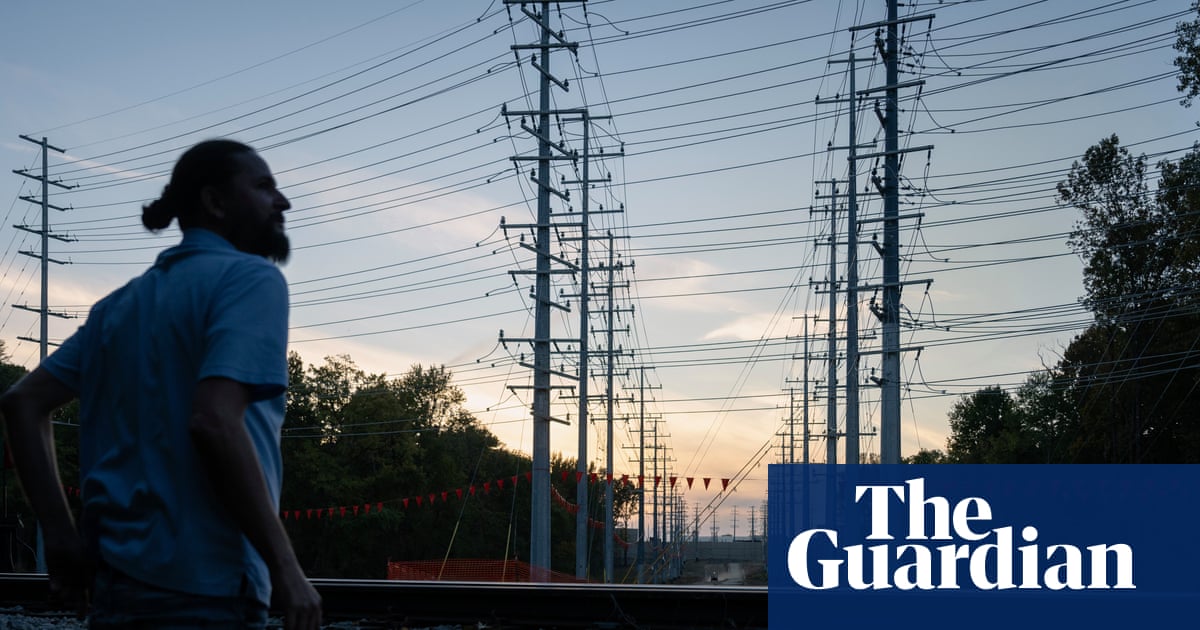
Residents of Colonial Hills in Southaven, Mississippi, say xAI is seeking to buy homes near its expanding data-center operations while requiring sellers not to join a lawsuit over noise from the company’s nearby power infrastructure. The accounts, reported by the Guardian, place a fast-moving AI buildout in direct conflict with a neighborhood living alongside it.
According to the report, real estate agents have been visiting homes on xAI’s behalf with purchase offers tied to an agreement that the homeowner will not participate in the noise litigation. The company did not respond to the Guardian’s questions about the reported home-buying figures or plans for the neighborhood. It has previously said it intends to be a good neighbor and denies the claims made in the noise lawsuit.
A proposed purchase campaign
One resident recorded a conversation in which a realtor described a target of purchasing 418 homes, the Guardian reported. The recording indicated that 18 homeowners had already agreed to sell. Those figures have not been confirmed by xAI, but they illustrate the scale residents believe the company is considering in Colonial Hills.
The reported plan could affect much of the neighborhood on Southaven’s western side. Residents and a realtor told the Guardian that acquired houses would be used to accommodate xAI staff as the company continues expanding in the area.
The offer has particular significance because it is reportedly linked to a legal condition. In the residents’ accounts, selling is not simply a real-estate transaction near a new employer or infrastructure project; it also involves foregoing participation in litigation connected to the project’s effects on nearby homes.
That detail makes the dispute larger than a question of individual property values. It raises a community-level question about what happens when a company’s need for land, housing and power grows alongside concerns from people already living nearby.

Data centers and local power concerns
xAI’s expansion has been rapid. The Guardian reported that three of the company’s data centers have emerged across Southaven and adjoining Memphis, Tennessee, over the past two years. The sites are part of the infrastructure supporting Elon Musk’s AI ambitions.
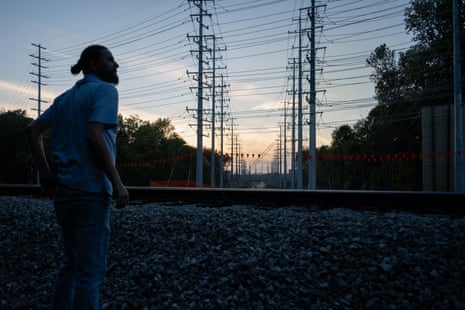
Residents interviewed by the newspaper focused on the sound associated with gas turbines used to power the facilities. The report says the turbines were installed without permits, a central concern for neighbors who say the noise has disrupted daily life and sleep.
Elizabeth Rose, a piano teacher who lives about two miles from an xAI site, described the sound as resembling a continuously running airplane engine. She told the Guardian that it has woken her in the early morning and that she sometimes leaves the area because of the disturbance.
The contrast between the technology at the center of the expansion and its local footprint is stark. Data centers are often discussed through the lens of computing capacity, models and investment. In Southaven, residents are experiencing the buildout through physical effects: turbines, noise, nearby construction and the prospect that homes around them could change hands.
From a local dispute to an AI infrastructure issue
The Southaven conflict highlights a broader constraint on AI expansion. Advanced computing systems require substantial physical infrastructure, including data centers and reliable electricity. When that infrastructure is built close to established neighborhoods, questions about noise, permitting, health, housing and legal rights can become as consequential as the technology itself.

In this case, the legal dispute is already active. xAI denies the allegations in the noise lawsuit, while residents say the sound from the power plant has made life difficult. The reported home purchases may offer some households an exit, but they also risk reshaping who remains able to press claims about the facility.
There is no indication in the source material that every resident has received an offer, intends to sell or agrees with the characterization of the development. The Guardian’s report instead describes a community navigating different choices under the pressure of a major industrial and technology expansion.
The city’s role is also part of the story. The Guardian reported that a local mayor, along with the realtor, said the houses would be used for xAI staff. That suggests the expansion is being understood not only as a collection of server buildings but as a project with implications for local housing and workforce arrangements.

The unanswered questions
xAI’s lack of response to questions about the reported target and purchases leaves key details unresolved. It is unclear how many homes the company ultimately seeks, whether the 418-home target remains current, how individual terms are structured and how any acquired properties would be managed.
It is also unclear how the dispute over noise will develop. Residents say the turbines’ sound is persistent and intrusive; xAI denies the lawsuit’s claims. The outcome will matter beyond the parties involved because it will help define what accountability looks like when AI-related computing infrastructure is paired with local power generation.
For now, Colonial Hills sits beside a fast-growing cluster of data centers and gas turbines. Residents face a choice that is both personal and civic: remain near an expansion they say has disrupted their neighborhood, or sell under terms that reportedly limit their ability to join a legal challenge. The result may become an early test of how communities negotiate with companies building the physical backbone of the AI economy.
This article is based on reporting by The Guardian. Read the original article.
Originally published on theguardian.com