Australia’s federal government is seeking to place new limits on AI chatbots that simulate emotional intimacy and encourage or foster a child’s dependence on them, as part of a wider proposed digital duty-of-care framework.
The proposal has emerged alongside a broader online safety bill that passed the House of Representatives on October 28 and is due to be debated in the Senate. Its future there remains uncertain, but the measure signals a notable shift: AI chatbot behaviour is being considered within platform-safety rules that have traditionally focused on social media and other online services.
A new category of online harm
The planned framework would apply safety standards to social media, games, apps and chatbots. According to the government’s proposal, those services would carry an overarching obligation to provide a safe online environment for Australians.
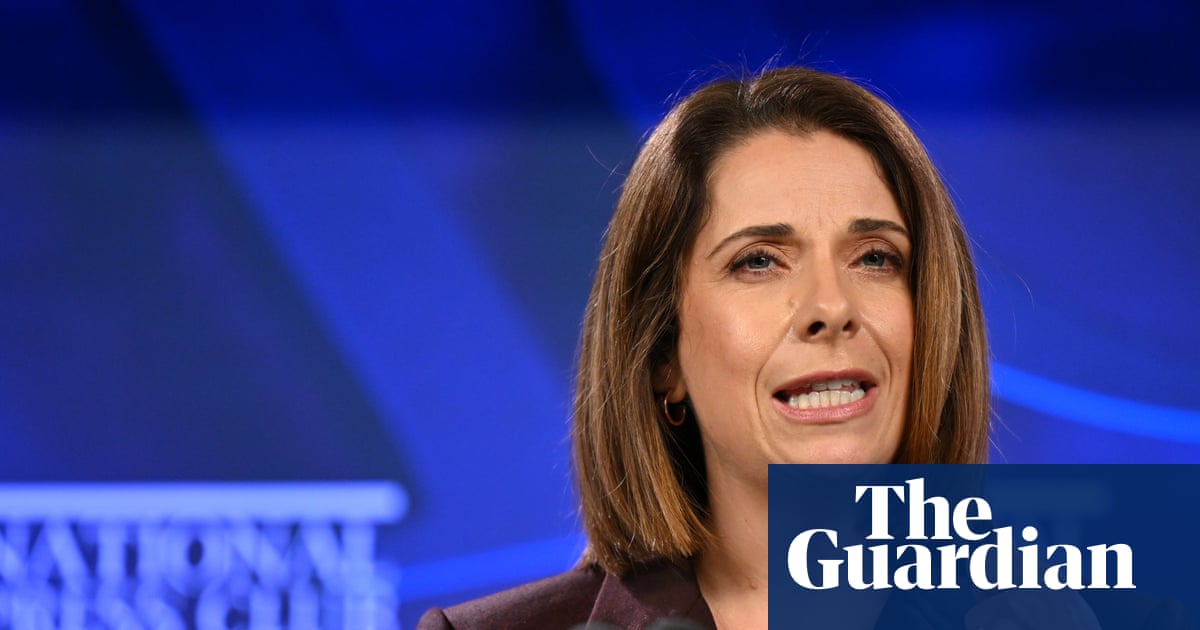
Communications Minister Anika Wells has said that material promoting misogyny, terrorism, suicide, self-harm and eating disorders would be among the content captured by the proposed duty-of-care laws. A government-accepted amendment from independent MP Kate Chaney would add certain AI chatbot activity to the listed harms.
That amendment would require platforms to ban material or conduct that simulates emotional intimacy and encourages or fosters a child’s dependence on an AI chatbot. The wording places the focus on conduct and on the effect a chatbot may be designed or allowed to create, rather than treating every conversational AI interaction as inherently unsafe.

Why the proposal matters
Chatbots are increasingly presented as helpful companions, tutors and assistants. Their capacity to sustain a conversation, use an engaging tone and respond at any hour has made concerns about emotional reliance more prominent—especially where children are involved.
The Australian proposal would make that concern a concrete regulatory category. Instead of relying only on general moderation policies or voluntary product safeguards, platforms covered by the framework could face a statutory responsibility to prevent specified harmful conduct.
The bill would also consolidate a range of existing online codes and standards into a broader duty-of-care requirement. It includes a proposed requirement for social-media platforms to offer an opt-out feature for algorithmic and suggested content.
Parliamentary path remains open
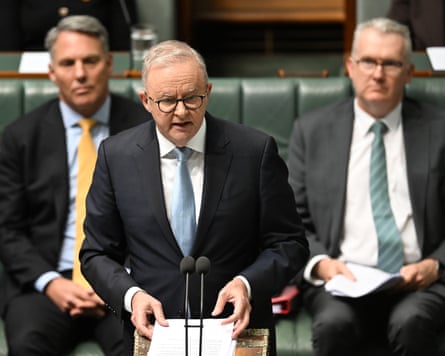
Labor hopes the bill can pass by the end of 2026, but it must still move through the Senate. The Greens support the legislation, while the Coalition has said it will not vote for it. The government has nevertheless indicated it remains open to amendments and is seeking broader support.
That means the final shape of the chatbot provisions is not yet settled. The bill has passed the lower house, but it is not law at this stage. Any assessment of its eventual reach must therefore distinguish the government’s intended framework from obligations that platforms are currently required to meet.

Pressure for enforcement and accountability
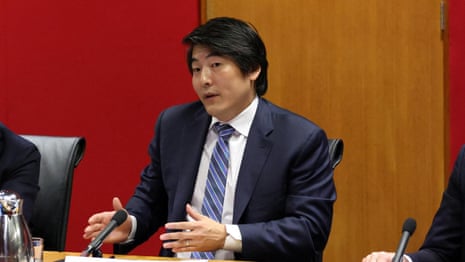
The government is also facing calls to give the telecommunications ombudsman a role as a watchdog for social media and AI. Advocates of that approach argue that Australians need an external complaints route and a mechanism for public accountability when large technology platforms fall short.
The debate is consequently about more than one category of chatbot interaction. It raises questions about who decides whether a digital service has created an unsafe environment, how complaints are handled, and whether a regulator can publicly identify companies that fail to meet the standard.
A policy test for conversational AI
Australia’s proposal arrives as governments consider how existing online-safety systems should respond to generative AI. Chatbots do not fit neatly into earlier categories such as publishing platforms or recommendation feeds: they can respond in real time, maintain a persona and adapt the direction of a conversation.
The proposed provision offers one answer by concentrating on a narrow risk: simulated emotional intimacy that leads children toward dependence. The ultimate regulatory test will be whether that standard can be applied clearly enough for platforms, users and regulators to understand while still addressing the risks identified by lawmakers.
For now, the immediate development is legislative rather than operational. The lower-house vote has put AI chatbots directly into Australia’s online-safety debate, with the Senate’s consideration set to determine whether that proposal becomes an enforceable duty.
This article is based on reporting by The Guardian. Read the original article.
Originally published on theguardian.com