Planned re-interviews are called off
Proton CEO Andy Yen has cancelled a series of planned, near company-wide “re-interviews” focused on how employees were using artificial intelligence, according to 404 Media. The publication reported that the sessions could have required staff to explain their AI use and that employees believed insufficient use could put their jobs at risk.
The cancellation followed a 404 Media investigation that described internal concern about Proton’s push to use AI, including concerns from employees about security practices and the workplace climate around raising objections. The outlet cited six current employees and audio from an all-hands meeting that lasted about two hours for its report on the cancellation.
For a company publicly associated with privacy and security-focused products, the episode places particular attention on how leadership balances speed, automation and software assurance. It also highlights a growing workplace question facing technology companies: whether AI adoption can be encouraged through management pressure without undermining the people responsible for identifying risks.
Security concerns were part of the dispute
According to 404 Media’s account of its earlier reporting, Proton employees had raised concerns about rapidly deploying code written with AI assistance. In one exchange described by the outlet, an employee in a company security Slack channel urged the organization to allow several days for penetration testing before newly written code was pushed live.
Yen responded that it was possible to move quickly while remaining secure, according to the reported Slack messages. He also urged employees to use AI more and criticized what he characterized as slow, manual software development. The reported exchange became a focal point because it connected AI-adoption pressure with a specific security-review concern.
There is an important distinction between using AI tools in development and reducing security controls. The source material does not establish that a particular insecure release resulted from the company’s policy. It does show that employees raised questions about the pace of testing and that leadership’s approach to those questions became a public issue.

Employees describe broader unease
404 Media said its prior investigation drew on conversations with eight current employees and one former employee, as well as Slack chats, meeting audio and an AI manifesto written by Proton’s chief technology officer, Bart Butler. The publication reported that the material portrayed employees as worried about being asked to develop security-focused products with AI and reluctant to speak openly because they feared being mocked or insulted by leadership.
That reporting matters beyond one company. Organizations adopting generative AI are increasingly making choices about which tasks may use the tools, how AI-generated work is reviewed, and who can slow a release when a safety or security concern is identified. Those choices can determine whether internal expertise is treated as a safeguard or as resistance to a business target.
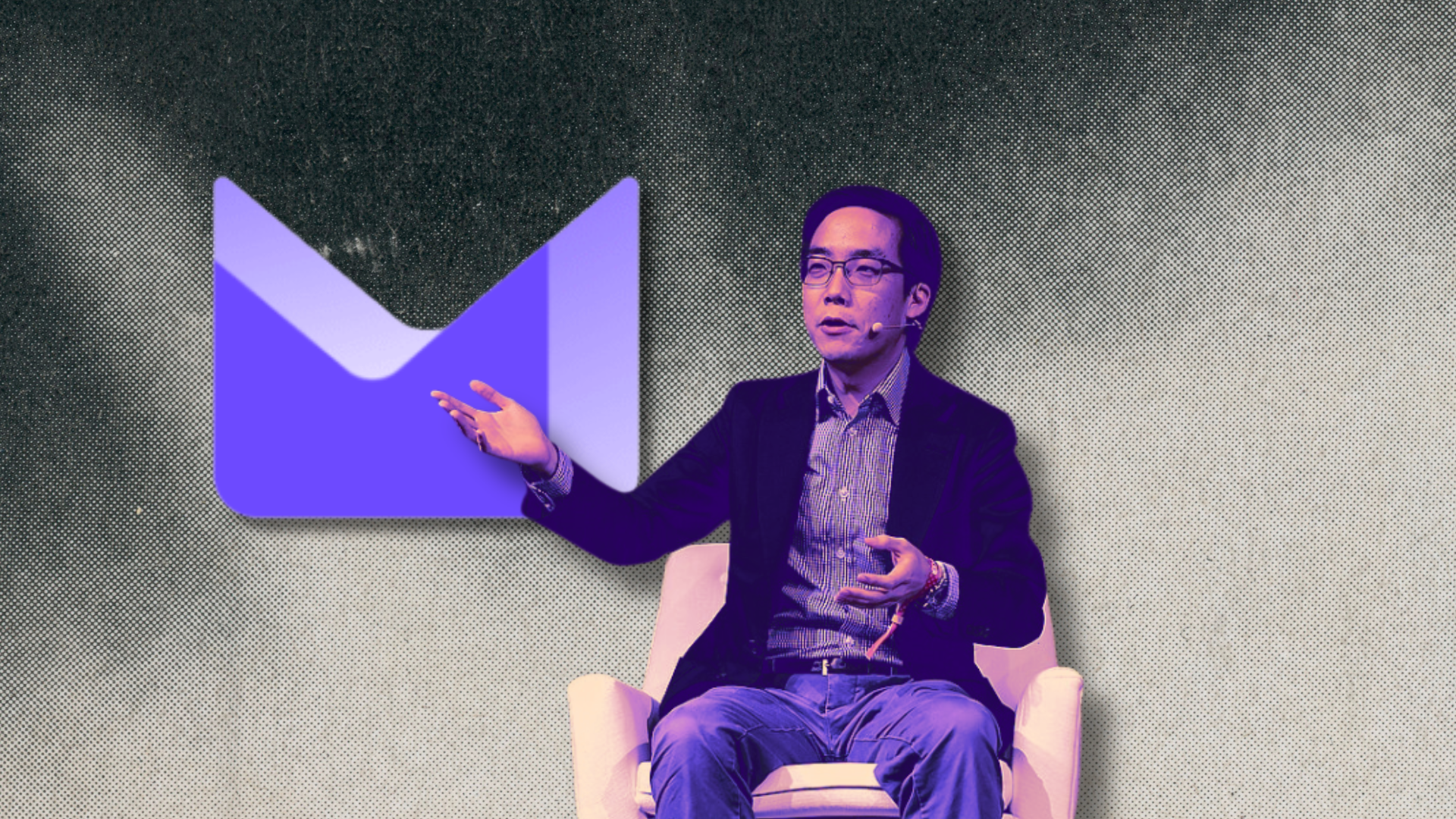
The reported cancellation removes the immediate pressure of the re-interview process, but it does not by itself resolve the underlying concerns. 404 Media reported that some Proton users were focused on what they saw as a deprioritization of security and had called for Yen to resign on social media.
Yen acknowledges a communication failure
During the all-hands meeting, Yen acknowledged what he called a communication failure on his part, according to 404 Media. He said there were matters that could and should have been communicated differently and that he would reflect on and improve them over time.
At the same time, Yen said he would continue to push forward. He told employees that leadership had discussed the re-interviews in recent days and that he had also spoken with Proton’s board, which he said was closely monitoring the situation.
The combination of an apology, a cancelled program and a continued commitment to AI adoption leaves the company at an inflection point. Employees, users and outside observers will be watching whether the change is limited to the re-interviews or leads to clearer processes for security review, internal dissent and the use of AI in sensitive development work.
The trust question for privacy companies
Proton’s products occupy a category in which customer trust is not an abstract brand value. Users may choose encrypted communications and privacy tools because they expect careful handling of security tradeoffs. Reports of internal tension over testing and AI-generated code therefore carry a different weight than they might at a company whose products do not make privacy central to their identity.
Fast-moving AI programs can create genuine pressure to demonstrate results. But the people responsible for security testing, code review and operational resilience are often the same people most likely to identify where rapid deployment could introduce risk. A healthy internal process needs those warnings to be heard, investigated and documented.
The cancellation of the re-interviews is a concrete reversal. The more consequential issue is whether Proton can establish a credible way to pursue AI adoption while preserving security review and the confidence of employees and users. The reporting shows that this is no longer only an internal management question; it has become a public test of the company’s priorities.
This article is based on reporting by 404 Media. Read the original article.
Originally published on 404media.co