A prolonged outage has interrupted a central fanfiction platform
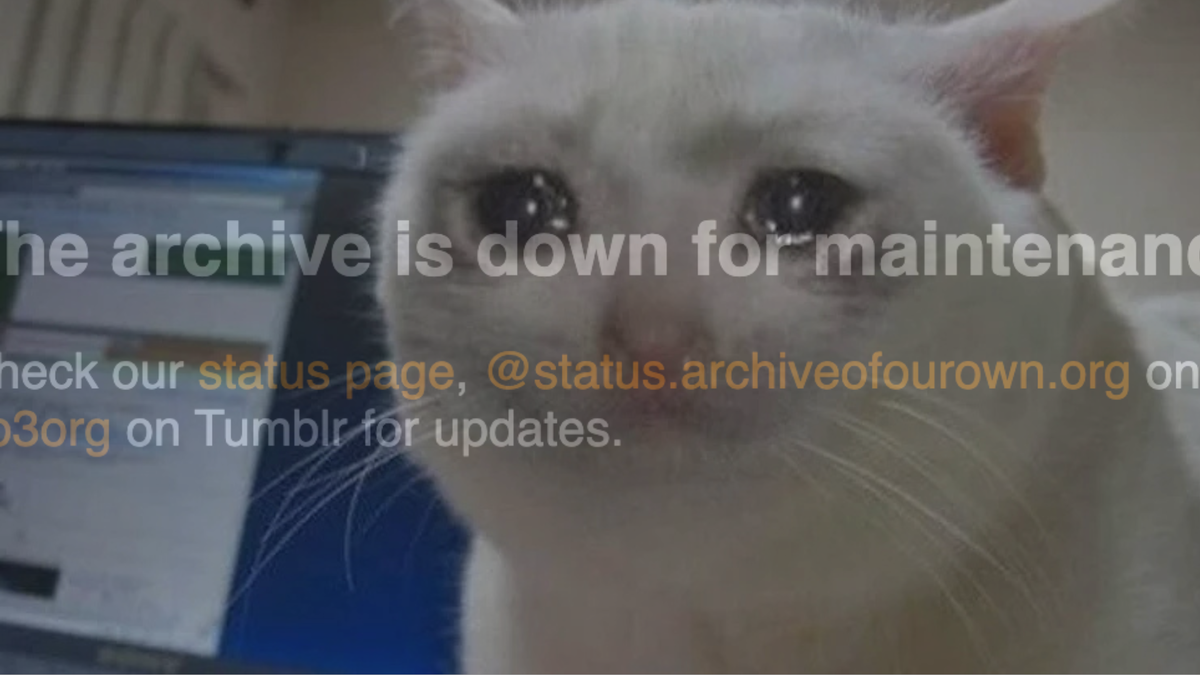
Archive of Our Own, widely known as AO3, is expected to remain unavailable for around two weeks and possibly as long as a month after a security incident, according to an updated status report from the Organization for Transformative Works, the nonprofit that runs the site.
The outage has hit a community built around both reading and publishing. AO3 is not simply a place where visitors consume finished work; for many users it is also the archive where they post serial chapters, maintain links to ongoing stories and return to a long-running body of writing.
That distinction helps explain why the interruption has drawn such a personal response from writers and readers. A temporary loss of access can mean more than a missing website. It can pause publishing schedules, cut off readers from works in progress and make a shared cultural record suddenly inaccessible.
The Organization for Transformative Works initially said the site was down for maintenance, then updated its communication to say restoration would take around two weeks, with the possibility that the process could extend to four weeks. The organization confirmed on Friday morning that the outage stemmed from a security incident.
The timing collides with Kinktober and Halloween publishing
The incident arrives at the end of October, during Kinktober, an annual group writing exercise in which participants post a chapter or fanfiction work each day in response to a daily prompt. The timing has particular consequences for people who planned stories or chapter releases around the event and Halloween.
One writer described being in the middle of finishing a work deliberately timed for Kinktober and Halloween when the site went down. The writer said the outage had not removed the desire to keep writing, but had changed the immediate publishing plan: the aim was now to have more chapters ready when readers could return.
That response captures a tension familiar to online creative communities. Writing can continue offline, but publication is also a social act. Readers expect updates, authors build routines around posting, and the archive itself is the place where comments, bookmarks, tags and previous chapters provide context.
For a platform that hosts both completed works and serialized fiction, downtime creates a break in that relationship. Writers may continue drafting. Readers may look elsewhere. But neither activity fully replaces access to the same archive and the communities that formed around it.
Alternative platforms are available, but they are not interchangeable
Some authors are considering other sites while AO3 is unavailable. One author told 404 Media they were posting on Space Battles during the outage, while anticipating the need to remember to repost chapters to AO3 once the service returns. Others have mentioned FanFiction.net as a temporary destination.
These options demonstrate that fanfiction has never depended on a single site alone. Yet an alternative hosting location does not automatically reproduce the audience, tagging systems, reading habits or accumulated connections associated with a particular archive.
A writer whose story is projected to end during the outage may face a practical problem as well as a creative one: a complete work can become divided across platforms, with readers needing to find the temporary posts and the author later needing to consolidate the record. The disruption is especially awkward for serial fiction, where a chapter is part of a sequence rather than a standalone item.
Why the archive matters to its users
The reactions described by writers and readers point to the role AO3 plays as cultural infrastructure. It is a place for fan-created writing, but it is also a system of discovery and preservation. Its absence makes the value of routine access more visible.
For readers, a weeks-long disruption can mean losing access to bookmarked stories, ongoing chapters and familiar ways to search for work. For authors, it can mean delayed publication, uncertainty about where to direct readers and the extra work of managing duplicate posts if they use temporary alternatives.
The outage has also prompted emotional reactions because fandom archives often hold years of material. A user may not only be waiting for a new installment; they may be unable to revisit an older story, a favorite creator or a community’s shared history.
The incident is separate from the PHP scramble
Speculation circulated that the AO3 outage might be linked to a broader PHP security scramble that led several sites to go offline for updates. An Organization for Transformative Works representative told CNET that AO3 does not use PHP and that the incident was not related to that issue. The archive uses Ruby on Rails, the representative said.
That clarification narrows one possible explanation, but the supplied reporting does not identify the nature of the security incident or provide a detailed technical account of the restoration work. What is clear is the expected duration: users should plan for a substantial interruption rather than a short maintenance window.
In the meantime, the episode is a reminder that digital cultural spaces can be both resilient and vulnerable. Communities may adapt by writing offline, using other platforms and sharing information through other channels. But a platform outage can still reveal how much creative practice, memory and connection have become concentrated in a single online archive.

A return will not instantly erase the disruption
When AO3 is restored, writers who used temporary homes may need to repost material or reconnect chapters with their established works. Readers may need to catch up on delayed updates. Participants in October writing events will have to decide whether to finish on altered schedules or treat the interruption as part of the event’s story.
The more lasting lesson may be that archives are not passive containers. They are active parts of creative ecosystems. Their reliability shapes how writers publish, how readers discover work and how a community keeps track of itself over time.
- AO3’s operator says the downtime is linked to a security incident.
- Restoration is expected to take about two weeks, and could take up to four.
- The outage has disrupted readers, serialized works and Kinktober publishing plans.
- Temporary alternatives exist, but do not fully replicate AO3’s audience and archive functions.
This article is based on reporting by 404 Media. Read the original article.
Originally published on 404media.co