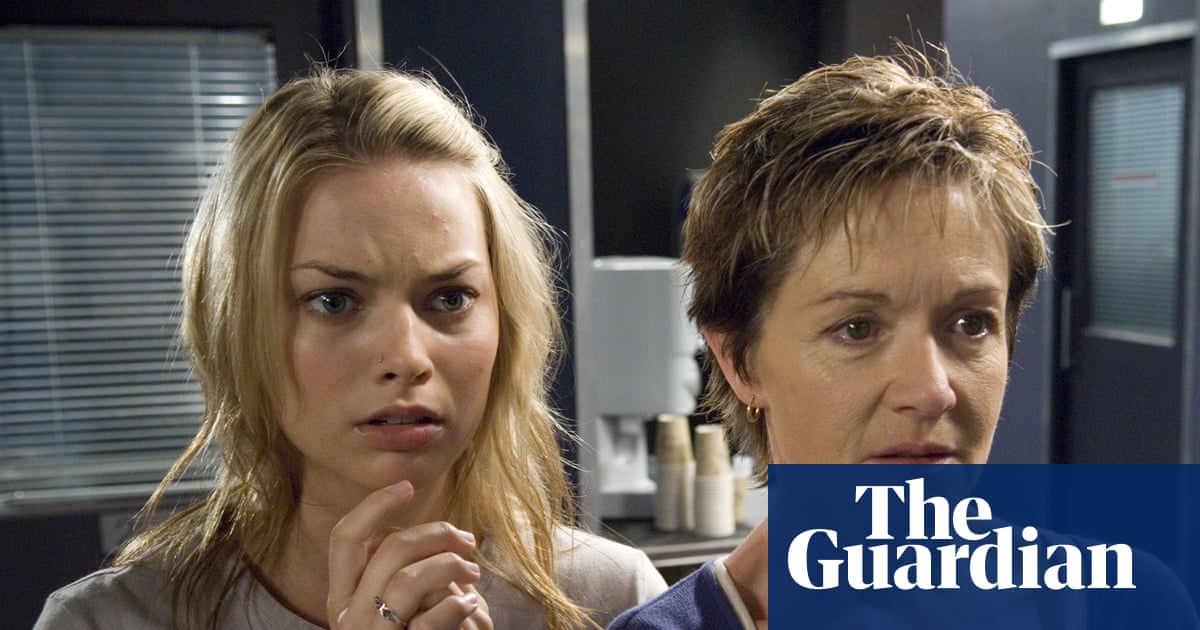
A plan to turn old episodes of the Australian soap Neighbours into phone-first vertical drama has opened a fresh argument about what television archives can become in the era of AI-assisted production. The project will initially focus on storylines featuring Margot Robbie’s former character Donna Freedman, using original episodes from the period when Robbie appeared on the programme between 2008 and 2011.
Fremantle, the producer of Neighbours, is working with RoseBerry Media, a company specialising in “vertical television” for phones. RoseBerry has repurposed episodes for distribution through its Epis platform with an AI-assisted production tool called RedSnapper. The planned recut will reshape two Donna Freedman storylines into vertical micro-episodes, creating about 150 minutes of material.
The idea fits a wider push to make professionally produced drama work in a format built around smartphone viewing. Vertical video has become a familiar language across social platforms, while short-form scripted series are increasingly designed for people watching on a small screen, often in brief sessions. In this case, however, the material is not being produced from scratch for that format. It is being drawn from a long-running programme’s archive and reframed around a single character.
A familiar archive, a new format
Neighbours has been a significant part of Australian television culture for decades, and its archive contains an unusually large number of storylines, characters and performers. That makes it a potentially valuable source of material for publishers seeking new ways to distribute established shows. A character-led recut also offers a simple editorial hook: viewers can follow a compact narrative centred on an actor who later became internationally recognisable.
But turning existing scenes into a different product raises questions that are broader than one soap opera. A vertical microdrama may use the same performances and footage, yet it can reach audiences through a new platform, a new presentation and a new commercial context. The use of AI-assisted tools adds another layer to the debate, particularly for performers who say they were not consulted about the reuse of their image and work.
The available details describe the project as a repurposing of original episodes, rather than the creation of new synthetic performances. Even so, the distinction may not settle concerns for the people visible in those episodes. Performers can reasonably ask how material will be edited, promoted, monetised and presented when it is moved into formats that did not exist when the original scenes were made.
Cast members voice concerns
Stefan Dennis, a Neighbours actor, told the Herald Sun that he regarded the project as invasive and questioned its moral and legal basis. He said his agent was looking into the matter and suggested other people associated with the programme, as well as relevant industry bodies, could be doing the same. His agent later told Guardian Australia that Dennis would not comment further.
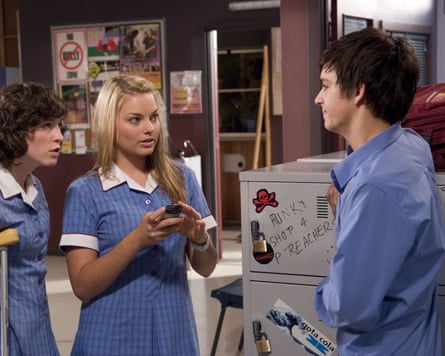
Former cast member Matthew Werkmeister, who played Zeke Kinski and appeared in a storyline alongside Robbie, said he learned of the deal only after being approached for comment. He said his concern was not principally financial, but related to the use of his image through AI and on a platform to which he had not consented.
Those reactions highlight an issue likely to recur as media companies revisit deep catalogues of film and television. Rights arrangements made for an original broadcast or streaming release may not map neatly onto emerging methods of editing, distributing and marketing clips. The legal answer can depend on individual contracts, collective agreements and the jurisdiction involved. The practical question is wider: whether the people whose performances make an archive valuable should have a meaningful role in decisions about its reuse.
Why AI changes the conversation
Television has long been edited, reformatted and redistributed. A programme can be rerun, sold internationally, cut into highlights or made available through a new service. AI-assisted tools do not automatically transform every archive project into a synthetic-media project. Yet the term has become especially sensitive because it can refer to processes that alter framing, pacing, dialogue, likenesses or context at scale.
For audiences, it can also become harder to tell what has changed. A vertical adaptation may involve cropping and recomposing scenes for a phone screen, selecting a new narrative path, changing episode boundaries and pairing material with a new platform experience. These decisions can substantially alter how a performance is encountered, even if the underlying footage is familiar.
That is why clear disclosure and reliable rights practices matter. Producers can explain what their tools do, what original material is being used and whether the project changes performances or simply re-edits existing scenes. Performers, writers and other contributors need confidence that their contracts and representation remain relevant when an archive is converted into a format shaped by new technology.
A test case for television’s back catalogue
The Neighbours project is small in duration compared with the show’s vast history, but its implications are larger. If archive recuts prove commercially attractive, other rights holders may look at their libraries in a similar way: not just as programmes to be replayed, but as raw material for character-focused, mobile-native releases.
That could create new life for older television and make classic storylines easier for new viewers to discover. It could also intensify disputes over consent, control and compensation. The core tension is not simply whether archives should be used. It is whether the rules governing that use keep pace with the tools and formats now available.
For now, the planned microdrama has put that tension in public view. A familiar soap’s old footage is becoming a case study in how entertainment companies, performers and audiences negotiate the future of screen archives.
This article is based on reporting by The Guardian. Read the original article.
Originally published on theguardian.com