For decades, prestige natural-history television has treated technical perfection as part of the promise. Clear water, carefully framed animals and immaculate images helped bring distant ecosystems into living rooms with an authority few other formats could match. But the same visual polish now carries an unexpected risk: viewers accustomed to generative AI may see remarkable imagery and wonder whether it is real.
That concern is shaping the presentation of the BBC’s Blue Planet III. The David Attenborough-narrated series will deliberately retain some cloudier, less polished material that an earlier production might have left on the cutting-room floor. Producers say the aim is not to lower standards, but to make the work’s physical reality more visible at a moment when visual evidence is under new pressure.
An authenticity signal in the image
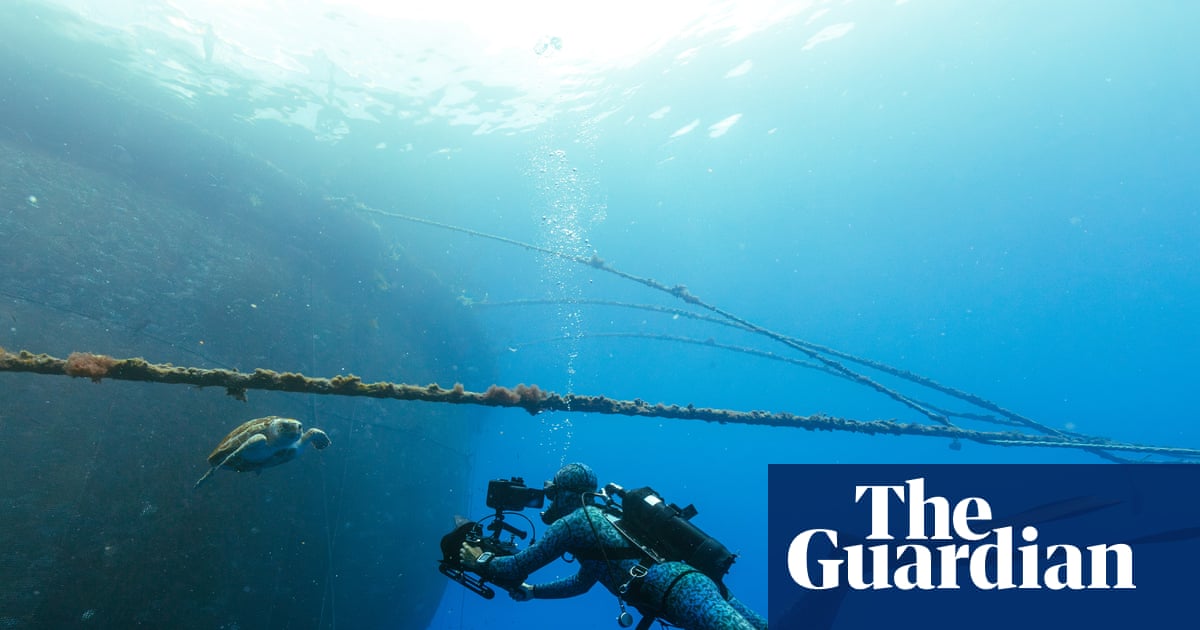
Executive producer Elizabeth White said the rise of AI has made the production team want to be “even more authentic.” In practical terms, that means accepting signs of the conditions under which the scenes were filmed: plankton in the water, imperfect visibility, or the occasional boat or buoy that might once have been framed out. These details can interrupt the idealized look associated with landmark wildlife series, but they also offer a reminder that a camera was present in an actual environment.
The approach reflects a wider change in how audiences interpret images. Higher-resolution cameras and displays have made natural-history footage more spectacular than ever. At the same time, AI systems can produce smooth, fantastical images with few of the visual limits that come with real cameras, real weather and real animals. A sequence that once seemed convincing because it was unusually beautiful can now attract suspicion for precisely the same reason.
For Blue Planet III, the response is to make room for texture rather than erase it. The series is presenting what its producers call a more organic view of the ocean: one in which murk, particles and contextual clues are not always treated as defects. The choice gives viewers information that polished imagery can conceal—namely, that the footage was obtained in a complicated, changing marine setting.

No generative AI in the series
At a press screening, BBC specialist factual commissioning head Jack Bootle said that no generative AI was used in the series, describing every frame as real photography. The statement is unusually direct, and it underlines how important provenance has become for factual programming.
The issue is larger than one television release. Documentary makers increasingly work in an environment where the public may encounter convincing synthetic animals, landscapes and events alongside traditional photography. A simple assurance may not settle every question, especially when the subject is a deep-ocean creature or a behavior rarely seen by people. The production’s visual strategy therefore does some of the explanatory work alongside the BBC’s explicit claim about its process.
Leaving imperfect footage intact is also a creative decision. It asks viewers to see water conditions and incidental elements as part of the story, rather than as obstacles between the audience and an ideal shot. That may make the ocean feel less like a seamless screen spectacle and more like a place with its own limits, noise and uncertainty.
Extraordinary behavior, presented as observed
The new series is still built around striking wildlife scenes. Producers highlighted dolphins trapping fish by plugging openings with sea sponges, fish communicating across species, and formations of around 200,000 crabs feeding. White argued that the creatures encountered in the deep ocean are more remarkable than AI could imagine, precisely because they are real.
That contrast is central to the series’ argument. The producers are not suggesting that factual images must look ordinary to be trusted. Instead, they are distinguishing between extraordinary events and frictionless presentation. Animals can do things that sound implausible, and cameras can record them. But visual traces of the filming process can help anchor those moments in the environment that produced them.
The programme also uses new technology, including an underwater CCTV camera referred to as the “stonefish” camera. Its return comes nearly a decade after Blue Planet II drew attention to plastic pollution and 25 years after the first Blue Planet. Those milestones show how the franchise has repeatedly paired advances in filming with changing public concerns about the sea. This time, the concern is partly about trust in images themselves.

A response to a changing media environment
The decision may influence how other factual producers think about finishing and editing. For years, the direction of travel in screen production has been toward cleaner images and more complete control over distractions. Yet a visible artifact can now function as evidence of process. It can suggest that the image came from a lens operating in a particular place, with all the constraints that entails.
That does not turn murky footage into a universal test of authenticity, nor does it remove the need for clear editorial standards. But it recognizes that audiences are evaluating images differently. As synthetic media becomes more familiar, factual work may need to communicate not only what it shows, but also why viewers should believe the route by which it was made.
Blue Planet III is betting that transparency can be aesthetically valuable. By keeping some of the rough edges, the series aims to protect the wonder of the ocean without asking viewers to take perfection on faith.
This article is based on reporting by The Guardian. Read the original article.
Originally published on theguardian.com