Professional athletes have long licensed their names and images for advertising, games and merchandise. Cristian Volpato’s new arrangement takes that familiar business into a more expansive AI era. The 22-year-old Socceroos player has licensed his AI likeness through California-based company Callandor, authorizing a so-called “synthetic twin” that can appear in digitally generated promotional content.
The deal is framed as an attempt to give an athlete greater control over, and a route to monetize, an identity that can increasingly be replicated by generative systems. The agreement covers Volpato’s digital likeness, voice, biometric profiles and performance data, according to the report. Callandor has exclusive rights to those elements and is intended to pursue brand deals using his AI image while helping restrict uses that do not have his approval.
An authorised digital double
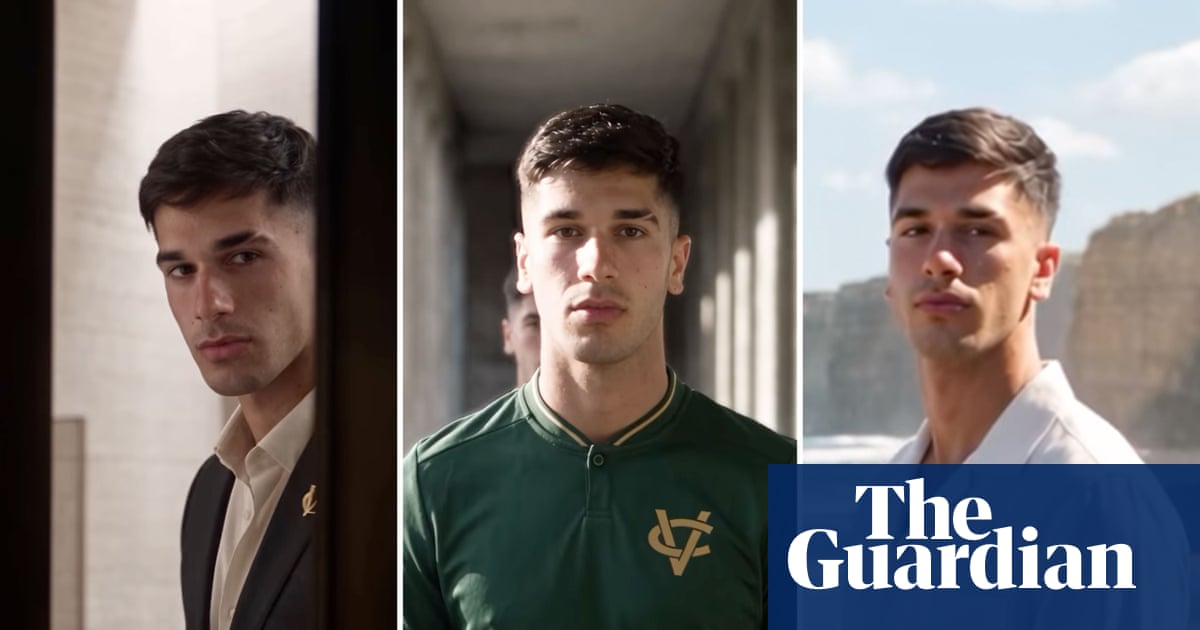
The public-facing material is deliberately striking. In an AI-generated social-media video, a version of Volpato walks through an atrium before splitting into four digital clones that appear in settings around the world. Other generated images place the synthetic version of the footballer on a beach near the Twelve Apostles, on a large digital billboard and in fashion-oriented scenes.
Those images are not documentary photographs or conventional film footage. They are AI-generated depictions made under the licensing deal. Their purpose is not only to demonstrate technical capability, but also to establish the core commercial proposition: an athlete’s appearance can become a reusable digital asset, available for content and campaigns without requiring the person to physically attend each production.
Volpato plays for Italian Serie A club Sassuolo. His agreement with Callandor was struck in mid-September, placing him among professional athletes using licensing arrangements to address AI-generated versions of themselves. The report describes the company as an AI licensing agent for professional athletes and portrays the practice as part of a nascent industry around image rights and sports content.

From image rights to identity rights
Traditional athlete endorsements usually involve tightly defined uses: a campaign, product category, geography or period of time. Generative AI makes the unit of value less straightforward. A digital model can be placed in new scenes, wear different clothing, speak with a replicated voice or appear in versions of content tailored to many channels. That potential creates an incentive for athletes to define permissions before third parties do it without them.
Volpato’s deal reaches beyond a static image. It includes voice, biometric profiles and performance data alongside his likeness. The breadth is significant because it recognizes that a convincing synthetic representation is assembled from more than a headshot. Voice and behavioral or performance-related information can contribute to content that audiences may regard as more authentic, even when it is entirely generated.
At the same time, the agreement is presented as a means of restricting unauthorized material. As bookmakers, broadcasters and brands increasingly use athletes’ images in AI-generated content without permission, some players are seeking contractual routes to retain influence over their digital identities. The commercial component and the protective component are intertwined: the ability to license approved work may also make it easier to identify work that lacks approval.
A response to unauthorized AI content
The deal arrives amid wider concern about the use of athletes in synthetic media. The report notes that the AFL told Sportsbet to stop using players in AI-generated content, illustrating the conflict between promotional experimentation and the rights of the people depicted. Such disputes raise practical questions about consent, compensation and whether audiences can clearly distinguish an authorized digital appearance from an unauthorized one.
For athletes, the risk is not simply that a likeness is copied. Generated content can associate a person with products, messages or visual contexts that they did not choose. A licensing agent can offer a structured alternative: establish exclusive rights, seek paid partnerships and provide a way to distinguish sanctioned uses from unauthorized ones.
The arrangement does not resolve every issue around AI identity. The report does not specify how enforcement will work across platforms, how permissions may be limited by territory or campaign, or how long the exclusive rights will run. It does, however, show the direction of travel. Rather than waiting for a generic legal or platform response, an athlete can attempt to turn an AI double into a managed commercial property.

A small deal with broader implications
Volpato’s synthetic twin is an early example rather than evidence of an established market standard. Still, the concept could matter well beyond one player. Sports marketing relies heavily on recognizable people, and generative tools make it easier to produce visual content at volume. If athletes, clubs, advertisers and rights agencies increasingly formalize permissions for AI-generated personas, image-rights negotiations may become more detailed and more technologically specific.
The central change is one of control. In the conventional model, an athlete appears for a shoot or grants rights to existing images. In the AI model described here, the licensed asset can be used to create new output. That gives the arrangement more flexibility, but it also demands more precise governance over what can be created and who can create it.
For now, Volpato’s agreement offers a visible case study in that transition. The footballer has authorized a digital counterpart and given an agent exclusive rights to commercialize it. The question for the wider sports industry is whether such synthetic-twin contracts become an exception for high-profile experiments or a normal part of protecting, licensing and monetizing athlete identities.
This article is based on reporting by The Guardian. Read the original article.
Originally published on theguardian.com