Ancient Roots of a Modern Phenomenon
Brands are everywhere in the modern world. From the swoosh on a sneaker to the apple on a phone, we are surrounded by logos and labels designed to evoke trust, status, and recognition. But this phenomenon is not as new as we might think. A team of scientists has discovered that a type of pottery produced some 3,200 years ago in Bronze Age Arabia operated as one of the earliest known brands.
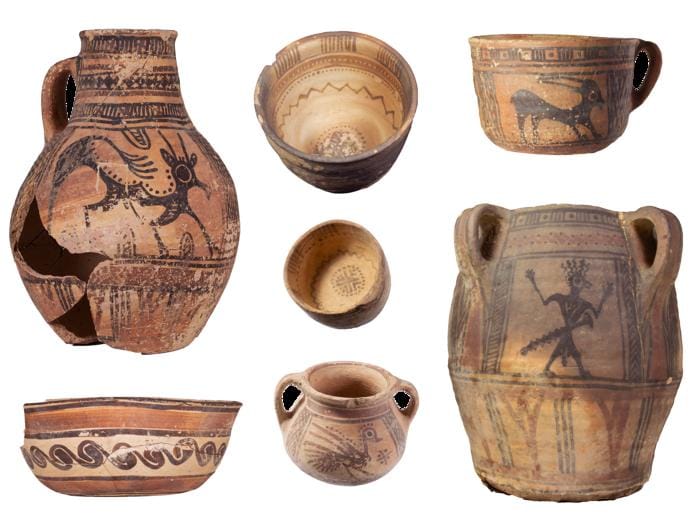
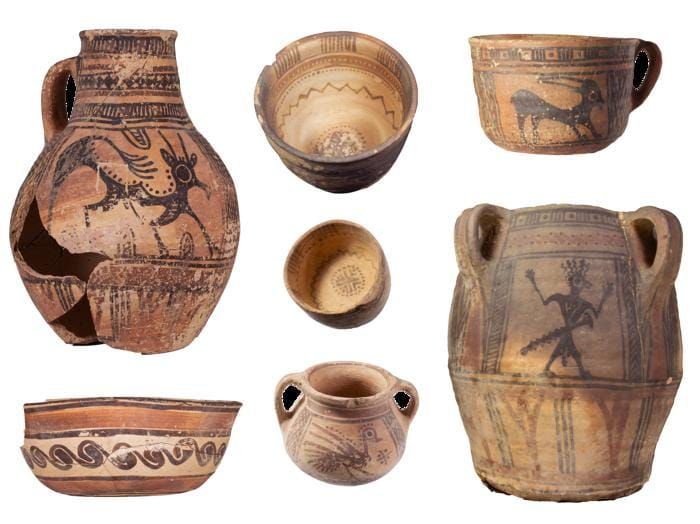
According to a study published in the journal PLOS One, the pottery in question—known as Qurayyah Painted Ware—possessed all the hallmarks of a branded commodity. Its distinct visual appearance, combined with consistent manufacturing techniques and material quality, made it instantly recognizable to ancient consumers. The researchers argue that this is a clear example of how branding existed long before modern economies, challenging the assumption that our obsession with labels is a purely contemporary invention.
The Qurayyah Painted Ware
Qurayyah Painted Ware is a distinctive ceramic tradition that flourished in what is now Saudi Arabia during the Bronze Age. It is characterized by bold black-and-red geometric designs, along with stylized figures of animals and humans. These patterns were not merely decorative; they served as a visual signature that set these vessels apart from other pottery in the region. The consistency of these designs across a wide geographic area indicates that they were intentionally used to create a recognizable product.
The study, led by Marta Luciani of the University of Vienna, provides a detailed analysis of how this pottery became a brand. Rather than relying on an added symbol or stamp, the branding was embedded in the very nature of the objects themselves. The visual identity, the materials used, and the way the pots were made all contributed to a reputation that traveled with the goods.

What Makes a Brand?
The researchers identify several features of Qurayyah Painted Ware that align with modern branding theory. These features combined to create a product that was more than just a clay container—it was a statement of identity and quality.
- Visual identity: The distinctive black-and-red geometric and figurative designs made the pottery instantly recognizable.
- Material consistency: The use of similar clays and tempers across different pots suggests a controlled and standardized production process.
- Technological continuity: The manufacturing techniques remained stable over time and across regions, ensuring a uniform product.
- Centralized production: Evidence points to specific workshops or centers that produced the ware, rather than it being made in every household.
- Export circulation: The pottery was traded over long distances, carrying its reputation with it and creating a network of consumers.
- Local imitation: Other communities copied the style, indicating that the original had perceived value and status.
- Intentional commercial scope: The ware was made with a market in mind, suggesting an awareness of consumer demand.
- Cultural reputation: The pottery was associated with a particular group or region, which enhanced its appeal beyond its practical use.
These elements together show that Qurayyah Painted Ware was not just a craft object but a commodified brand. The pottery was produced, distributed, and even imitated in ways that mirror the lifecycle of modern branded goods.
Proto-Brands in the Ancient World
The concept of proto-brands has been discussed by historians and archaeologists before, but this study is described as the first to investigate in detail the actual dynamics that lead to the genesis of a brand. By examining the entire life cycle of Qurayyah Painted Ware—from production to distribution to imitation—Luciani and her colleagues have been able to show how a commodity evolves into a branded product.
The team notes that "brands and proto-brands existed well before modern economies." This finding is significant because it suggests that the underlying human behaviors—trust, recognition, and social status—have been part of trade networks for thousands of years. In ancient Arabia, consumers would have recognized Qurayyah Painted Ware as a reliable product, much as we recognize a trusted brand today.


The Dawn of Commodified Identity
The study of Qurayyah Painted Ware also sheds light on broader questions about ancient trade and social identity. The fact that the pottery was widely imitated indicates that it carried prestige. Owning the genuine article, or even a close copy, was important to people across the region. This is analogous to modern consumers choosing name-brand products over generic alternatives, whether for perceived quality or the status they confer.
Understanding the deep history of branding helps us see that our current obsession with labels and logos is not an anomaly but a continuation of ancient patterns. When we pick up a branded product today, we are engaging in a practice that Bronze Age consumers would have understood perfectly. The vivid black-and-red designs of Qurayyah Painted Ware were the ancient equivalent of a trademark, telling the buyer that this pot was made by skilled hands and came from a place of known quality.
Conclusion
Brand hype may feel like a product of the internet age, but the latest archaeological research shows that it has deep roots. The painted pottery of Bronze Age Arabia demonstrates that our ancestors understood the power of a good brand—3,200 years before the first billboard. The study not only offers a fascinating glimpse into ancient commerce but also reminds us that the desire for recognizable, reliable commodities is a fundamental aspect of human society.
As the researchers conclude, this investigation offers the first look at how a brand comes into being—a process that is both ancient and enduring. So the next time you see a familiar logo, remember that you are looking at a tradition that began long ago, with a painted pot and a reputation that spread across the desert.
This article is based on reporting by 404 Media. Read the original article.

Originally published on 404media.co


