Conservative Media Fractures Over Bad Bunny's Super Bowl Performance as Key Voices Break Ranks
A significant rift has emerged within conservative media circles following Bad Bunny's halftime show at Super Bowl LX, with several prominent right-leaning figures publicly distancing themselves from the initial backlash and, in some cases, reversing their earlier criticism of the performance. The episode reveals deepening tensions within the conservative movement over cultural commentary and the politicization of entertainment.
High-Profile Reversals and Public Corrections
Influencer and professional boxer Jake Paul, 29, initially launched a vocal attack on the performance, calling for viewers to tune out and characterizing Bad Bunny as a "fake American citizen" who harbors anti-American sentiments. However, by Monday morning, Paul had executed a dramatic about-face, posting on social media that he "love[s] bad bunny" and claiming confusion about his previous statements. According to Paul's follow-up posts, his initial criticism had been "misinterpreted," with the influencer clarifying that he was questioning Bad Bunny's values rather than his citizenship status.
The swift reversal appeared to coincide with mounting public pressure and criticism from unexpected quarters. Paul's own brother, fellow influencer Logan Paul, publicly disagreed with the initial assessment, writing that Puerto Ricans are Americans and expressing support for the island's representation on the Super Bowl stage.
Political and Public Response to the Backlash
The controversy quickly expanded beyond entertainment circles into political discourse. Representative Alexandria Ocasio-Cortez responded directly to Paul's criticism, challenging his characterization while highlighting contrasting approaches to community investment. The exchange underscored how Bad Bunny's performance had become entangled in broader cultural and political debates.
Democratic strategist Mike Nellis characterized the moment as symbolically significant, suggesting that Paul's public meltdown represented a turning point in contemporary cultural discourse.
Conservative Commentators Challenge the Party Line
President Donald Trump weighed in on the halftime show via Truth Social, describing it as "absolutely terrible, one of the worst, EVER." Yet this criticism failed to achieve consensus among conservative voices, with several Trump-friendly commentators publicly disagreeing with the assessment.
Broadcaster Piers Morgan, known for his anti-woke commentary and previous alignment with Trump, responded directly to the President's critique. Morgan stated he "absolutely loved" the performance, praising its theatrical elements, choreography, and energy while noting that Spanish is the first language for over 50 million Americans. The broadcaster's willingness to contradict Trump on the matter marked a notable departure from typical partisan alignment.
Republican commentator Meghan McCain also broke with critics of the show, posting that those who failed to appreciate the performance should question their "taste level." McCain further argued against the politicization of entertainment, suggesting that "everything in life doesn't have to be ruined with politics."
The Performance and Its Reach
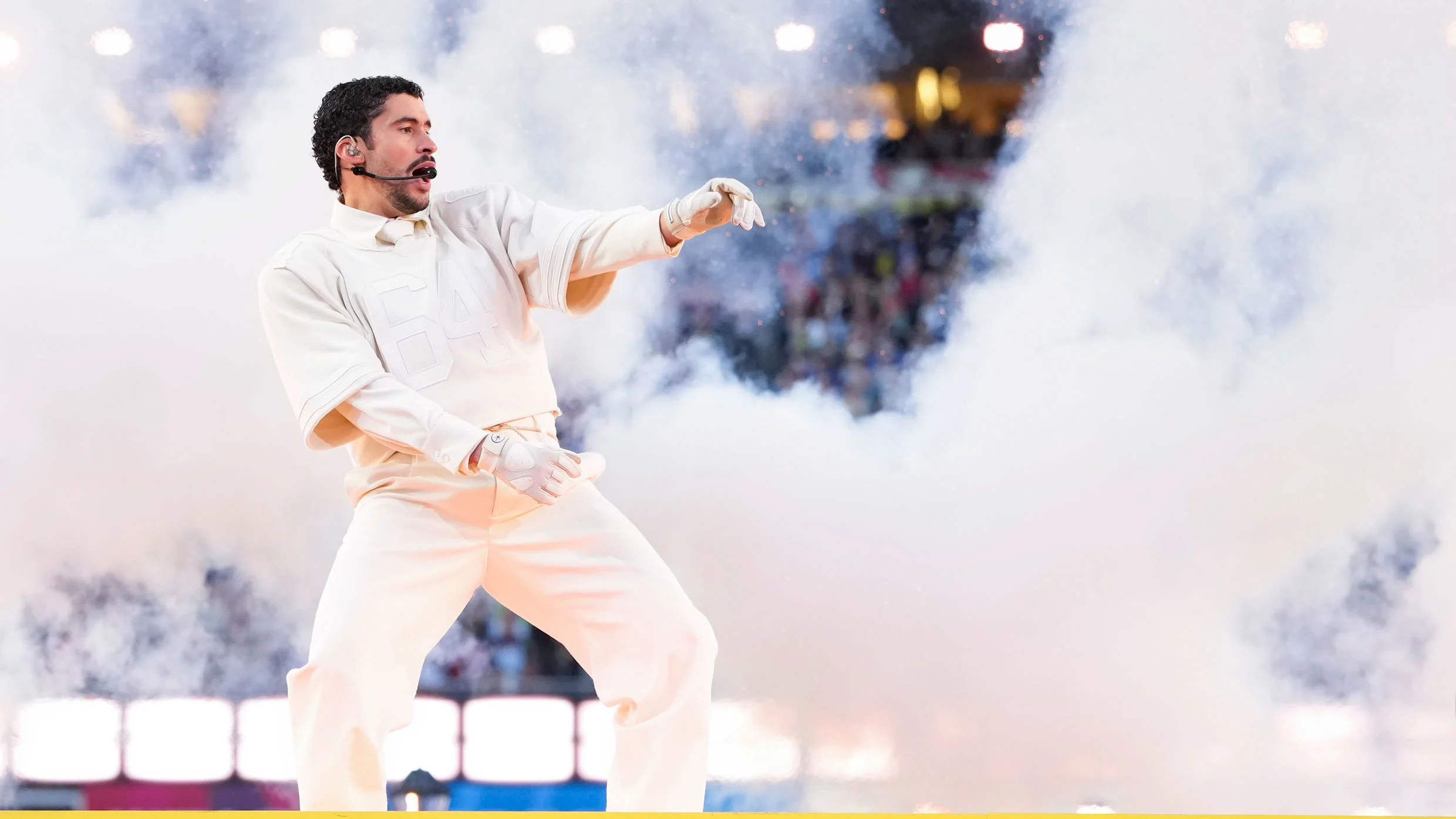
Bad Bunny's 13-minute performance at Levi's Stadium in Santa Clara, California, showcased Puerto Rican cultural elements to a television audience estimated at 135.4 million viewers. The scale of the halftime show audience underscored the significance of the platform and the visibility of the subsequent cultural debate.
Conservative media outlets attempted to provide an alternative during the halftime broadcast. Turning Point USA streamed a concurrent concert featuring Kid Rock, Brantley Gilbert, and two additional country music performers. The alternative stream attracted approximately 6.1 million concurrent viewers, a substantial audience but significantly smaller than the main broadcast reach.
Implications for Conservative Media Cohesion
The divergence in conservative responses to the halftime show performance reveals underlying fractures within right-leaning commentary circles. While some commentators maintained the critical stance initially set by prominent figures and political leaders, others prioritized aesthetic appreciation and cultural inclusivity over partisan positioning.
The episode demonstrates that entertainment criticism within conservative spaces remains contested terrain, with influential voices increasingly willing to challenge consensus positions when they perceive overreach in politicizing cultural moments. The public disagreements among prominent conservatives suggest that blanket opposition to entertainment offerings may face growing resistance from within the movement itself.
As the dust settles on the Super Bowl LX halftime show controversy, the fracturing of conservative media's unified response indicates evolving dynamics in how right-leaning commentators navigate the intersection of entertainment, politics, and cultural representation in the contemporary media landscape.
This article is based on reporting by Fast Company. Read the original article.
Originally published on fastcompany.com