
ভারতের private launch sector এখন একটি প্রতীকী সীমা পার করল
Hyderabad-ভিত্তিক Skyroot Aerospace একটি $60 million funding round তুলেছে, যাতে কোম্পানির valuation দাঁড়িয়েছে $1.1 billion এবং এটি ভারতের প্রথম private space unicorn হয়ে উঠেছে। এই financing একটি বিশেষ গুরুত্বপূর্ণ সময়ে এসেছে: ঘোষণার পরের কয়েক সপ্তাহের মধ্যে কোম্পানি তার Vikram-1 rocket-এর প্রথম orbital launch attempt-এর প্রস্তুতি নিচ্ছে বলে জানিয়েছে।
এই round Skyroot-এর মোট funding-কে $160 million-এ নিয়ে যায় এবং ভারতের অন্যতম prominent launch startup-কে তার roadmap-এর সবচেয়ে high-risk পর্যায়ে, suborbital demonstration থেকে orbital service-এ যাওয়ার ঠিক আগে, আরও শক্তিশালী balance sheet দেয়।
সময় কেন গুরুত্বপূর্ণ
Space startup-গুলো কেবল ambition-এর জোরে বড় অঙ্ক তুলতে পারে, কিন্তু orbital launch এক নির্মম পরীক্ষাক্ষেত্র। একটি launch company-কে দীর্ঘদিন শুধু slide deck বা prototype milestone দিয়ে মূল্যায়ন করা হয় না। তাকে বিচার করা হয় সে কি orbit-এ নির্ভরযোগ্যভাবে, বারবার, এবং বাজার যে দাম মেনে নেবে সেই দামে পৌঁছাতে পারে কি না। Skyroot এখন fresh capital injection এবং একটি অস্বাভাবিকভাবে দৃশ্যমান জাতীয় ভূমিকা নিয়ে সেই পরীক্ষার কাছাকাছি এসেছে।
কোম্পানি সময়সূচি বজায় রাখতে পারলে, Vikram-1 হবে ভারতের প্রথম privately developed orbital rocket। এটি Skyroot-এর জন্যই নয়, বরং launch firms, satellite makers, এবং operators নিয়ে একটি commercial space ecosystem গড়ে তোলার ভারত সরকারের বৃহত্তর প্রচেষ্টার জন্যও একটি গুরুত্বপূর্ণ milestone হবে।
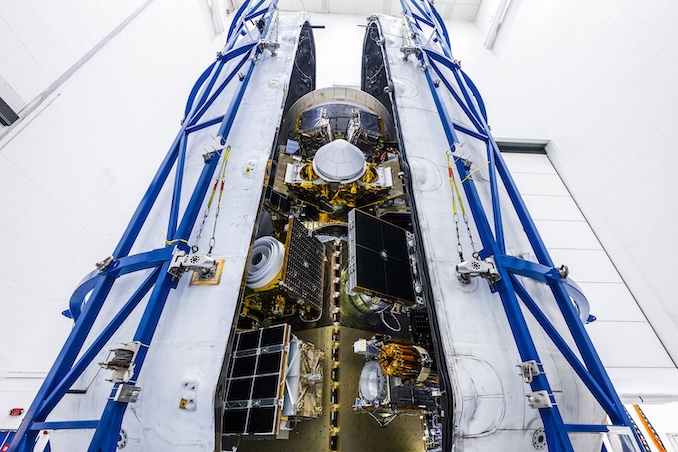
যানবাহন ও তাৎক্ষণিক পরিকল্পনা
Skyroot-এর Vikram-1 একটি ছোট launch vehicle, যাতে তিনটি solid-fuel stage এবং একটি liquid-fuel kick stage রয়েছে। কোম্পানি বলছে, এটি low Earth orbit-এ 350 kilograms পর্যন্ত এবং sun-synchronous orbit-এ 260 kilograms পর্যন্ত স্থাপন করতে পারে। প্রথম rocket ইতিমধ্যেই Skyroot headquarters থেকে Satish Dhawan Space Center-এ অতিরিক্ত পরীক্ষার জন্য পাঠানো হয়েছে।
কোম্পানি funding announcement-এর পরের কয়েক সপ্তাহের বাইরে নির্দিষ্ট তারিখ দেয়নি। এতে schedule পরিবর্তনের সুযোগ থাকে, যা launch campaign-এ স্বাভাবিক, তবে এটিও দেখায় যে Skyroot এখন এমন একটি সংকীর্ণ window-তে কাজ করছে যেখানে investor confidence এবং engineering execution-কে পাশাপাশি চলতে হবে।
একাধিক rocket-এর জন্য capital
নতুন financing শুধু Vikram-1-কে উড়িয়ে দেওয়ার জন্য নয়। Skyroot বলছে, এই round vehicleটির production scale-up এবং Vikram-2-এর উন্নয়নকে সমর্থন করবে, যা আরও সক্ষম launcher এবং cryogenic upper stage-সহ হবে। পরিকল্পিত Vikram-2 low Earth orbit-এ 900 kilograms পর্যন্ত এবং sun-synchronous orbit-এ 600 kilograms পর্যন্ত স্থাপন করতে পারবে, আর এর প্রথম launch 2027-এর মধ্যে লক্ষ্য করা হয়েছে।
এটি ইঙ্গিত দেয় যে কোম্পানি একসঙ্গে দুটি কাজ করতে চাইছে: একটি প্রাথমিক commercial service প্রমাণ করা এবং আরও বড়, প্রতিযোগিতামূলক platform-এর দিকে দ্রুত এগোনো। Launch market-এ এটি একটি পরিচিত playbook, যেখানে এক-vehicle startup হিসেবে টিকে থাকা কঠিন এবং দীর্ঘমেয়াদী positioning প্রায়ই একটি rocket নয়, বরং system family গড়ার ওপর নির্ভর করে।

ভারতের পরিপক্ব space market-এর একটি সংকেত
Investor lineup-এর আন্তর্জাতিক চরিত্র উল্লেখযোগ্য। round-টি co-lead করেছে Sherpalo Ventures এবং GIC, আর অন্যান্য নতুন ও বিদ্যমান investors অংশ নিয়েছে। এটি গুরুত্বপূর্ণ, কারণ বাইরের capital মূলত শুধু Skyroot নয়, ভারতের commercial space opening-এর সামগ্রিক সম্ভাবনার ওপরও বাজি ধরছে।
বছরের পর বছর ভারতের space reputation প্রধানত national program এবং cost-efficient public mission-এর ওপর দাঁড়িয়েছিল। একটি billion-dollar private launch startup-এর উত্থান এখন একটি নতুন পর্যায়ের ইঙ্গিত দেয়, যেখানে global investors সেই ভিত্তির ওপর commercially scalable business-এর সুযোগ দেখছেন।
কঠিন অংশ এখন শুরু
Unicorn status একটি কার্যকর headline, কিন্তু এটি সামনের technical difficulty কমায় না। Launch নিস্তুর, আর industry জুড়ে early failure সাধারণ। 2022 সালের suborbital prototype flight-সহ Skyroot-এর সাম্প্রতিক অগ্রগতি দেখায় যে এটি hardware তৈরি ও উড়াতে পারে। Orbit-এ পৌঁছানো অনেক উঁচু মানদণ্ড।
তবু, নতুন funding কোম্পানিকে শুধু prestige নয়, আরও অনেক কিছু দেয়। এটি সময়, credibility, এবং দ্বিতীয় প্রজন্মের vehicle-এর দিকে এগোতে এগোতে manufacturing expand করার সুযোগ দেয়। Launch-এর মতো capital-intensive sector-এ এই breathing room নির্ণায়ক হতে পারে।

একটি কোম্পানির milestone, আর ecosystem-এর জন্য পরীক্ষা
Skyroot-এর latest raise Indian space finance-এ একটি milestone, কিন্তু এর প্রকৃত তাৎপর্য launch pad-এ নির্ধারিত হবে। Vikram-1 সফল হলে, কোম্পানি একটি mission-এ policy reform এবং investor optimism-এর বছরের পর বছরকে বৈধতা দিতে পারে। যদি এটি বাধার মুখে পড়ে, তবুও Skyroot ভারতের private space sector যে আরও গুরুতর, ভালোভাবে funded পর্যায়ে প্রবেশ করেছে তার অন্যতম শক্তিশালী সংকেত হিসেবেই থাকবে।
যেভাবেই হোক, কোম্পানি এমন পর্যায়ে পৌঁছেছে যেখানে narrative-কে orbital performance-এর জায়গা দিতে হবে। একটি launch startup-এর জন্য সেটাই সঠিক অবস্থান।
এই নিবন্ধটি SpaceNews-এর রিপোর্টিং-এর ভিত্তিতে লেখা। মূল নিবন্ধ পড়ুন.
Originally published on spacenews.com