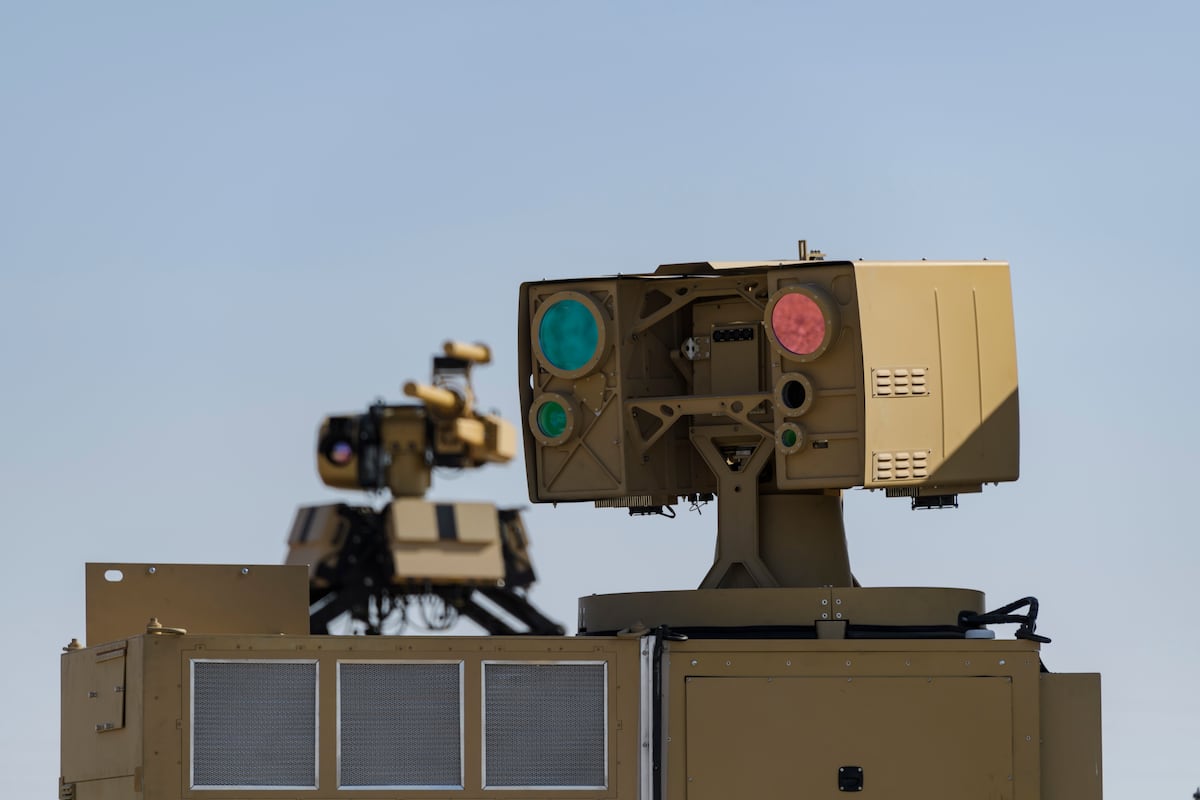
الدفاع الليزري المحلي يقترب من الاستخدام الروتيني
خطت مساعي الجيش الأمريكي لنشر دفاعات ليزر عالية الطاقة على الأراضي الأمريكية خطوة ملحوظة إلى الأمام في 13 أبريل 2026، عندما أعلنت إدارة الطيران الفيدرالية عن اتفاق سلامة جديد مع وزارة الدفاع يغطي استخدام الليزر ضد الطائرات المسيّرة غير المصرح بها قرب الحدود بين الولايات المتحدة والمكسيك. ووفقًا لموقع Defense News، جاء الاتفاق بعد تقييم سلامة مشترك خلص إلى أن الأنظمة المعنية لا تشكل خطرًا غير مبرر على الطائرات المدنية. وتكتسب هذه النتيجة أهمية تتجاوز الحدود نفسها، لأنها تفتح الباب أمام نشر محلي أكثر انتظامًا لأدوات الدفاع الجوي القائمة على الطاقة الموجهة.
هذا التحول في السياسة مدفوع بتهديد عملي. ويعرض النص الأصلي القضية في سياق الاستخدام المتزايد للطائرات المسيّرة المسلحة منخفضة التكلفة، وهي فئة من الأنظمة قد يكون من الصعب والمكلف التصدي لها بوسائل الدفاع الجوي التقليدية. وتَعِدُ الليزرات عالية الطاقة بمعادلة مختلفة: اشتباك سريع، ومخازن ذخيرة عميقة من حيث المبدأ، وكلفة أقل لكل ضربة بعد نشر النظام. لكن في المجال الجوي المحلي، لا يكفي الوعد التقني وحده. سلامة الطيران المدني هي نقطة الحسم، وإلى أن يُحسم هذا السؤال، يظل النشر مقيدًا سياسيًا وتشغيليًا.
جاء الاتفاق بعد حادثتين في فبراير في تكساس شاركت فيهما منظومة Army Multi-Purpose High Energy Laser، أو AMP-HEL، وهي نسخة مركبة على عربة من نظام LOCUST Laser Weapon System التابع لشركة الدفاع AV. في الحالة الأولى، استخدم أفراد من U.S. Customs and Border Patrol نظام AMP-HEL قرب فورت بليس ضد هدف غير محدد، ما أدى إلى إغلاق المجال الجوي فوق إل باسو في 11 فبراير. وفي الحالة الثانية، استخدم أفراد عسكريون نظام AMP-HEL قرب فورت هانكوك في 27 فبراير لتحييد ما بدا أنه طائرة مسيّرة تهدد، وتبيّن لاحقًا أنها طائرة تابعة لـ CBP، ما تسبب مجددًا في إغلاق المجال الجوي.
ما الذي كشفه تقييم السلامة
دفعت تلك الحوادث إلى اختبار مباشر لمسألة ما إذا كان يمكن للدفاع ضد الطائرات المسيّرة القائم على الليزر أن يتعايش مع عمليات الطيران المدني. وقالت إدارة الطيران الفيدرالية إن مراجعة مشتركة أُجريت في أوائل مارس في White Sands Missile Range أسفرت عن نتيجتين مهمتين، كما ورد في تقرير Defense News. أولًا، آلية الإيقاف التلقائي في نظام LOCUST تمنع الإطلاق باستمرار في الظروف غير الآمنة. وثانيًا، حتى في حال تعطل النظام، رُئي أن شعاع الليزر نفسه غير قادر على إحداث ضرر كارثي بالطائرات عند أقصى مدى فعّال للنظام، فضلًا عن الطائرات على ارتفاعات الطيران الاعتيادية.
هذه نتيجة مهمة لأنها تنقل النقاش من القلق الافتراضي إلى إدارة المخاطر الرسمية. فأسلحة الليزر تثير أسئلة واضحة تتعلق بالسلامة العامة، خاصة عند استخدامها في أو قرب المجال الجوي المشترك. إن صدور تقييم اتحادي يفيد بأن النظام لا يزيد المخاطر على الجمهور المسافر جواً يمنح البنتاغون أساسًا أقوى بكثير لعمليات مستقبلية. كما يشير إلى أن الأنظمة القائمة على الطاقة الموجهة قد تدخل مرحلة جديدة تصبح فيها القبول التنظيمي بنفس أهمية الأداء التقني.
ووصف مدير إدارة الطيران الفيدرالية برايان بيدفورد المراجعة بأنها قائمة على البيانات، ووصفتها الوكالة بأنها تقييم سلامة هو الأول من نوعه. وتوحي هذه الصياغة بأكثر من مجرد قرار إجرائي واحد. فهي تشير إلى أن الحكومة بدأت تبني الإطار الذي يمكن من خلاله تقييم استخدام الليزر المحلي ضد الطائرات المسيّرة والموافقة عليه وتطبيعه. وفي مشتريات الدفاع، تصبح الأنظمة واقعية غالبًا عندما تنتقل من العروض التوضيحية إلى مسارات سياسة قابلة للتكرار. ويبدو أن هذا الاتفاق جزء من ذلك الانتقال.
لماذا تهم القصة خارج الحدود
الموقع الجغرافي المباشر هو الحدود الجنوبية، لكن الآثار أوسع من ذلك. فقد أصبحت الطائرات المسيّرة منخفضة التكلفة مصدر قلق أمني دائم لأنها متاحة نسبيًا، وقابلة للتكيف، وصعبة الردع باستخدام وسائل اعتراض عالية الكلفة. وإذا أمكن إثبات أن الليزرات عالية الطاقة تعمل بأمان قرب حركة الطيران المدني، فستصبح أكثر أهمية لحماية القواعد والبنية التحتية وربما مواقع حساسة أخرى داخل الولايات المتحدة.
ولا يعني ذلك أن درعًا ليزريًا على مستوى البلاد بات وشيكًا فجأة. فالمادة المصدرية أضيق من ذلك. إنها تتناول نظامًا محددًا، ومراجعة سلامة محددة، واتفاقًا محددًا بين الوكالات. لكن هذه التفاصيل مهمة لأنها تضع سابقة. لقد كان الاستخدام المحلي للطاقة الموجهة العسكرية دائمًا مسألة حوكمة بقدر ما هو مسألة تكنولوجيا. وقد يؤدي حل جزء من تحدي الحوكمة إلى تسريع انتقال التكنولوجيا إلى التطبيق العملي.
وفي الوقت الراهن، فإن أوضح استنتاج هو أن البنتاغون وإدارة الطيران الفيدرالية انتقلا من الحذر الذي أثارته إغلاقات المجال الجوي في فبراير إلى قبول أكثر تنظيمًا لعمليات الليزر المضاد للطائرات المسيّرة. وفي عالم الطاقة الموجهة، قد يتبين أن هذه واحدة من أهم الخطوات على الإطلاق.
لماذا تهم هذه القصة
- توصلت إدارة الطيران الفيدرالية ووزارة الدفاع إلى اتفاق جديد بشأن استخدام الليزر ضد الطائرات المسيّرة قرب الحدود.
- وجد تقييم سلامة مشترك أن الأنظمة لا تشكل خطرًا غير مبرر على الطائرات المدنية.
- قد يجعل هذا القرار الدفاع الجوي المحلي القائم على الطاقة الموجهة أكثر جدوى عملياتيًا.
هذا المقال يستند إلى تقرير من Defense News. اقرأ المقال الأصلي.
Originally published on defensenews.com