Google calls it its biggest Search model upgrade
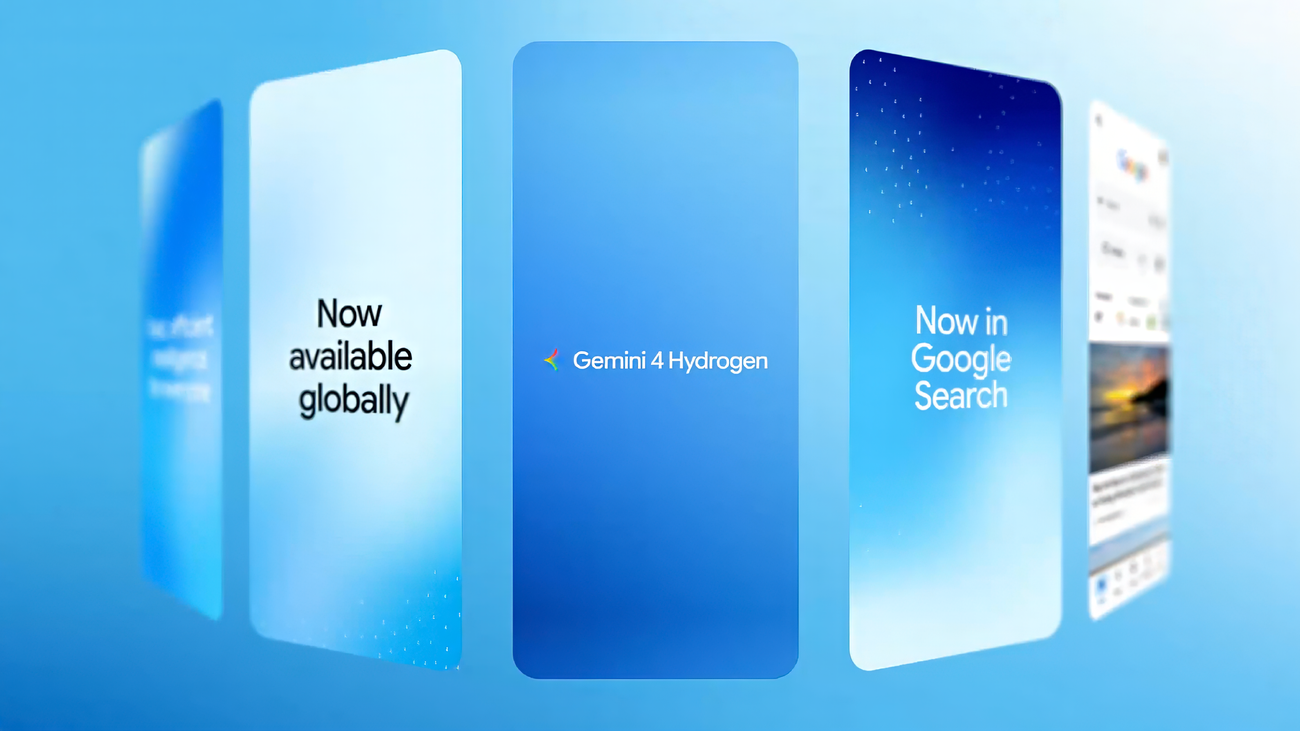
Google is rolling out Gemini 4 Hydrogen globally in Google Search, positioning the model update as a way to handle more complex questions with more visual and structured responses.
According to Google, Hydrogen is available to Search users worldwide in all languages supported by its AI models. The company describes the release as the biggest model upgrade yet for Search and says it is intended to make answers more helpful, intuitive and precise.
The announcement centers on how people ask questions. Rather than requiring users to reduce a need to a short, tightly phrased query, Google says Search can now process nuanced, multi-part requests expressed in a more natural flow of thought. The company also says the system can better deal with difficult-to-understand typos and highly specific requirements.
What Google says is changing
The updated Search experience is built around improved understanding of user intent, deeper instruction following and tool calling. Google says these capabilities should enable Search to follow what a person wants more precisely and return a wider range of relevant websites and links.
The planned presentation is also more visual. Google says users will see structured responses, comparison tables, images and custom tools. The company frames those additions as useful for questions that involve multiple constraints or benefit from organizing information in a format other than a block of text.
Google offers travel, shopping and hobbies as examples of areas where users may ask about particular requirements in natural language. The announcement does not describe a separate app or a limited experimental interface: it says Hydrogen is now available in Google Search globally.

From query matching to interpreting a request
The central promise in Google’s release is not simply a faster answer. It is an attempt to interpret a user’s complete request, including multiple parts, and respond with a combination of information, links and interface elements.
For a complex question, that could mean simultaneously considering several conditions instead of treating each phrase as an isolated search term. Google says Hydrogen can conduct simultaneous queries and display structured information such as tables and images. It also says the update is designed to connect users to relevant websites and helpful links.
That framing places links alongside generated and structured content rather than presenting the model as a replacement for the web. Google says the improved reasoning capabilities connect people to a broader range of relevant sites, while the response layer is meant to make the results clearer and easier to navigate.
A global product change
Google’s statement says Hydrogen is being brought to all Google Search users globally, covering the languages currently supported by its AI models. That makes the announcement broader than a country-specific test or a feature restricted to a limited group of subscribers.
The company describes the target outcome in everyday terms: users should be able to ask their most nuanced questions and receive responses that are more visual, intuitive and precise. It points users to Google Search itself to try the new capabilities.
The release also highlights the changing role of interface design in search. Tables, images and custom tools are presented as parts of the response, not merely attachments to a conventional results page. For questions with several criteria, the company argues that structured presentation can make information easier to evaluate.

What the announcement does and does not establish
Google’s post is a product announcement from the company, and its claims describe the intended capabilities of the rollout. It says Hydrogen improves intent understanding, instruction following and tool calling, and that it can provide more relevant links and structured material.
The supplied announcement does not provide independent measurements of answer accuracy, comparisons with earlier Search models, details of how often the new presentation appears, or an account of how Search will choose among tables, images, tools and links for a given question. It also does not specify a separate timeline because it describes the availability as beginning now.
Still, the scope of the product language is notable. Google is tying a new Gemini model directly to Search and making it available globally, with the model expected to influence both how complex questions are understood and how the resulting information is displayed.
Key features Google attributes to Hydrogen
- Support for complex and multi-part questions in natural language.
- Better handling of nuanced requests, specific requirements and hard-to-understand typos.
- Deeper instruction following and tool calling.
- Responses that can include images, comparison tables, structured information and custom tools.
- Connections to a wider range of relevant websites and helpful links.
For Google Search users, the immediate change is an invitation to phrase questions more fully and let the system organize its response around the stated need. For Google, the release is a public claim that Gemini 4 Hydrogen can make that interaction more capable at global scale.
Whether that promise is realized will depend on users’ experience with the answers, links and tools the new Search system returns. Google’s announcement establishes the product direction clearly: more complex requests, more structured output and a Gemini model integrated into the everyday search experience.
This article is based on reporting by Google AI Blog. Read the original article.

Originally published on blog.google