Tesla’s admission has implications far beyond Tesla
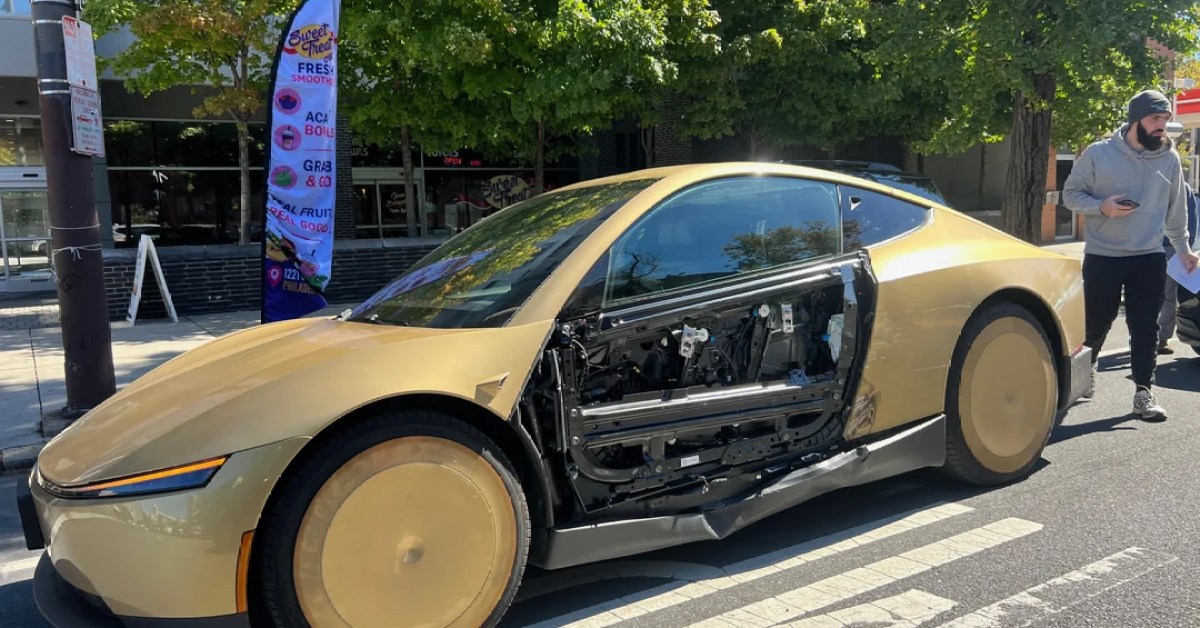
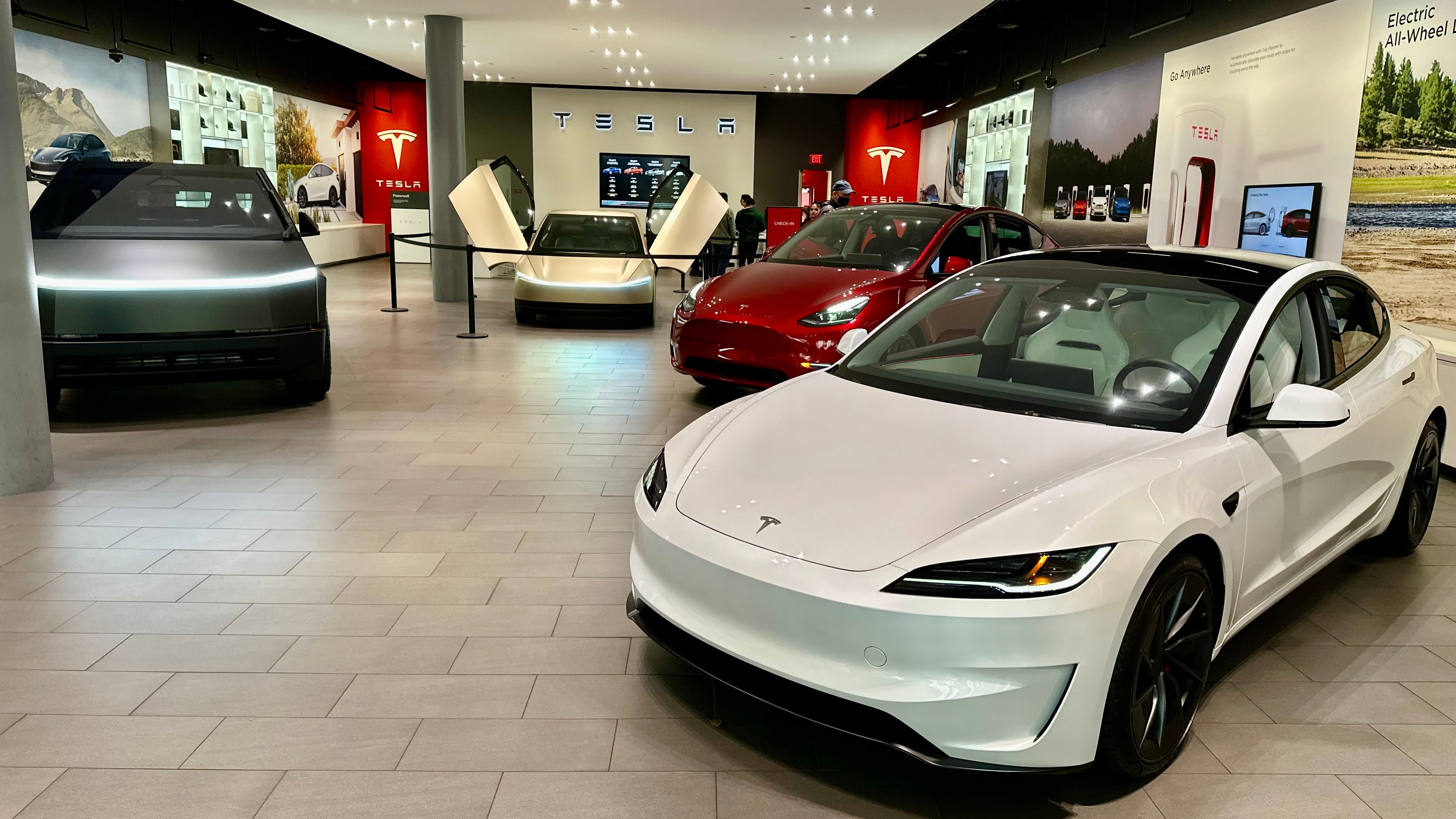
Tesla CEO Elon Musk acknowledged in April that some older Tesla models would require upgraded cameras and computers to support autonomous driving capability. Automotive News frames that disclosure as more than a brand-specific issue. It may be an early warning for the entire car industry as software-defined vehicles age into a future their original hardware was never built to meet.
The central problem is simple: a modern vehicle’s useful mechanical life can extend far beyond the practical life of its onboard computing platform. If core features increasingly depend on perception stacks, AI models, sensors, and increasingly demanding processors, cars risk becoming digitally obsolete while they are still physically serviceable.
The software-defined vehicle meets real-world longevity
For years, automakers and tech-forward brands have promoted the idea that vehicles can improve over time through software updates. That promise is real up to a point. But updates cannot indefinitely overcome hardware ceilings. When a system designed around one generation of chips or cameras can no longer support the compute load of newer autonomy features, the update story turns into a retrofit story.
That is where Tesla’s situation becomes strategically important. If one of the industry’s most software-centric automakers is publicly confronting the limits of older hardware, traditional manufacturers are likely to face similar pressures as their own advanced driver-assistance and autonomy ambitions expand.
Why this could become an industry-wide cost problem
Automotive News describes Tesla’s retrofit saga as a possible canary in the coal mine. The broader concern is lifecycle economics. Replacing computing hardware, cameras, or associated systems across older vehicles is more expensive and operationally messy than shipping software. It also raises difficult questions about what customers were originally sold, what future capability was implied, and how long support obligations should last.
That issue extends well beyond autonomy. Infotainment systems, connectivity modules, cybersecurity support, sensor packages, and AI-enabled driver monitoring all depend on hardware that can age quickly relative to the vehicle platform around it.
Consumer expectations are likely to shift
As vehicles become more computational, buyers may start evaluating cars less like durable machines and more like long-lived electronics with upgrade risk. That would be a profound change for an industry built around multi-year ownership, large used-car markets, and brand promises tied to durability and resale value.
If certain headline capabilities only remain available to vehicles with later hardware revisions, owners of earlier models may discover that feature parity across a model line is temporary. That could complicate used-vehicle pricing and consumer trust, especially if autonomy-related marketing created expectations that a car’s future capabilities would mostly arrive over the air.
A policy and service challenge in the making
The hardware-obsolescence question also creates policy and service pressure. Regulators may eventually scrutinize how automakers describe future software capability when that capability depends on hardware not yet proven sufficient. Dealers and service networks may need to absorb more complex retrofit programs. Suppliers may have to support longer parts availability for computing systems that move on much faster than engines, suspensions, or body components traditionally do.
In that sense, the issue is not only technical. It touches warranty design, disclosure, consumer protection, and the long-term structure of automotive maintenance.
Why Tesla’s moment matters now
Tesla’s acknowledgment crystallizes a problem that has been building quietly beneath the hype around software-defined cars. The industry has been good at imagining vehicles that gain intelligence over time. It has been less clear about what happens when the intelligence outgrows the hardware in the driveway.
That tension is likely to become one of the defining ownership questions of the next decade. Cars are lasting longer. Computing cycles are not. The gap between those timelines is now becoming impossible to ignore.
This article is based on reporting by Automotive News. Read the original article.
Originally published on autonews.com