Another Crisis Hits Automakers
Volkswagen Group CEO Oliver Blume warned that the widening conflict in the Middle East is adding yet another geopolitical shock to an auto industry already reeling from U.S. tariffs, slowing Chinese sales, and the costly transition to electric vehicles. Speaking at VW's annual media conference, Blume said customers in the region are unsettled and that the disruption will have a measurable impact on demand.
The warning underscores how the global environment for automakers has become increasingly volatile. Over the past several years, the industry has weathered pandemic-era supply chain collapses, the loss of the Russian market following the Ukraine invasion, intensifying trade tensions, and a brutal price war in China's EV market. The Middle East conflict now threatens to add higher energy prices, disrupted shipping routes, and weakened consumer confidence to that list.
Disproportionate Profit Impact
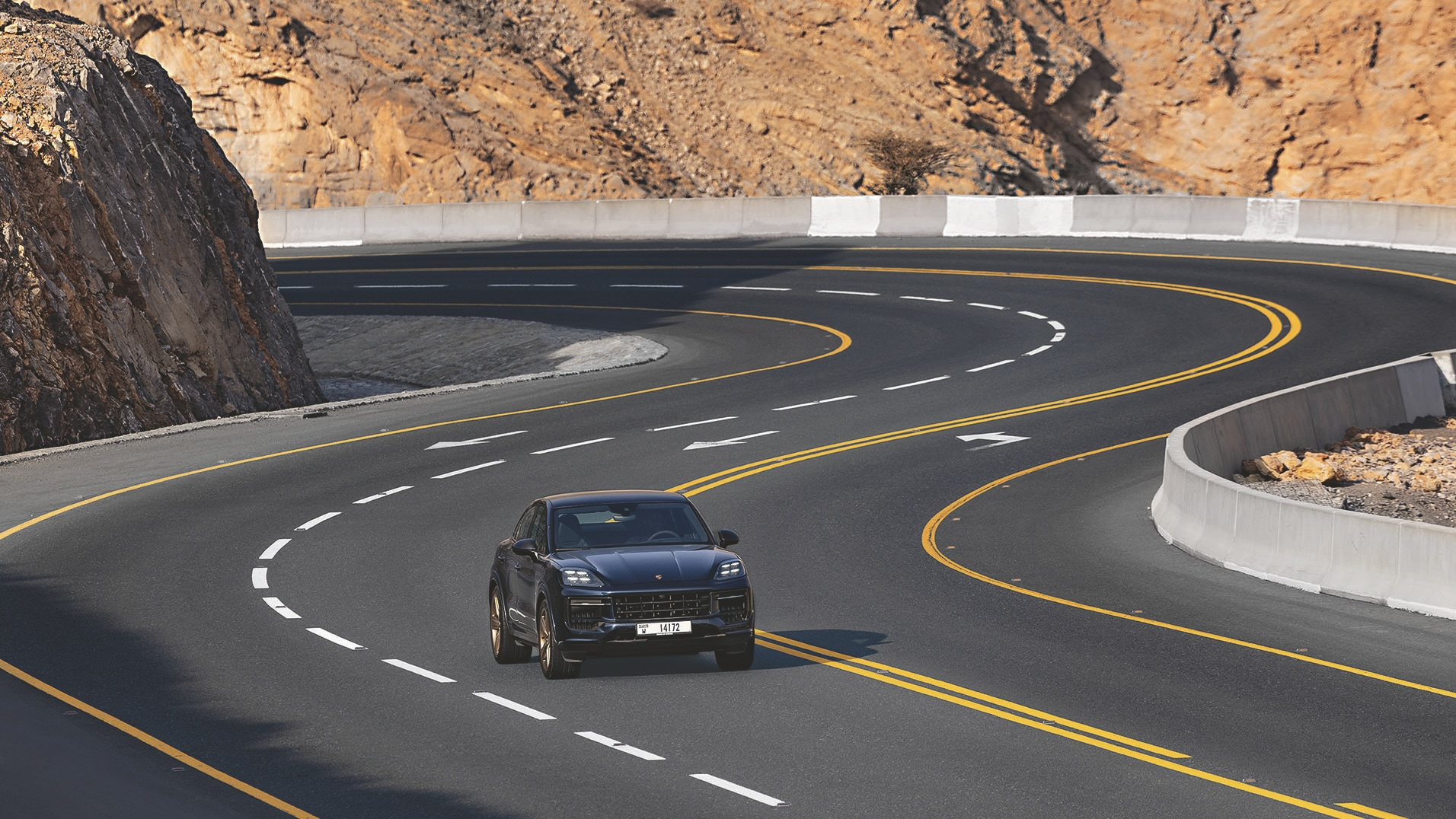
While the Middle East accounts for only a low single-digit share of VW Group's global sales relative to its approximately 9 million annual deliveries, executives emphasized that the region is disproportionately important for profitability. The Gulf states are lucrative markets for premium brands like Porsche, Bentley, and Audi, where wealthy customers purchase high-margin large SUVs and sports cars.
Porsche noted in its 2026 outlook that the potential impact of Middle East developments had not been factored into its projections, suggesting the luxury brand is bracing for downside scenarios. Premium automakers across Germany, including BMW and Mercedes-Benz, face similar exposure because their profits depend heavily on exports and high-margin sales in overseas markets.
Jefferies analyst Philippe Houchois put it bluntly: armed conflict typically brings vehicle sales in affected markets to a halt. The question is how long the disruption lasts and how far its economic ripple effects spread.

Supply Chain Concerns
Beyond demand destruction, the conflict threatens automotive supply chains through multiple channels. European automakers rely heavily on electronics, battery cells, and battery components sourced from Asia, with much of that material transiting through shipping lanes near the conflict zone. Extended transit times through the Strait of Hormuz, which has seen shipping nearly grind to a halt, could increase freight costs and create production bottlenecks.
Investment research firm Morningstar noted that European automakers are particularly exposed to Asia-Europe transit route disruptions compared to their American or Japanese counterparts. The additional shipping costs and delays compound an already challenging logistics environment.
Renault Group CEO Francois Provost said his company is monitoring the situation through an AI-powered control tower system that tracks supply ships and trucks in real time, identifies potential crisis points, and suggests workarounds. So far, Renault has managed to avoid supply disruptions, but executives acknowledged the situation remains fluid.
Energy Price Risks
Perhaps the most significant economic channel through which the conflict could affect the auto industry is energy prices. The Middle East remains the world's most important oil-producing region, and any sustained disruption to output or shipping through the Strait of Hormuz could drive energy prices sharply higher.
Higher oil and gas prices would hit European consumers particularly hard, given the continent's dependence on imported energy. Analysts say this could weigh on already fragile consumer demand across the eurozone, reducing appetite for major purchases including automobiles. For automakers trying to sell increasingly expensive electric vehicles, any additional pressure on consumer budgets is unwelcome.
VW Group CFO Arno Antlitz said the company is somewhat insulated in the short term by long-term energy contracts, but acknowledged that prolonged high prices would eventually filter through. The bigger risk, he suggested, is the indirect effect on consumer confidence and spending patterns.
Industry Restructuring Continues
The Middle East crisis arrives as European automakers are already in the middle of painful restructuring programs. VW Group has embarked on a sweeping cost-cutting drive aimed at reducing billions in expenses, simplifying factory operations, and improving efficiency across its brands. BMW and Mercedes-Benz have announced similar programs.
Blume argued that these internal measures are essential in a world where geopolitical shocks are becoming more frequent and harder to predict. The succession of crises, from pandemic to Ukraine to tariffs to the Middle East, has forced automakers into a posture of permanent crisis management.
The industry's challenge is to maintain investment in the electric vehicle transition while simultaneously cutting costs, managing geopolitical risks, and keeping consumers interested in buying cars during uncertain times. Each new crisis makes that balancing act harder, and the Middle East conflict is the latest test of an industry already stretched thin.
This article is based on reporting by Automotive News. Read the original article.
Originally published on autonews.com