A High-Profile EV Bet Has Apparently Been Pulled Back
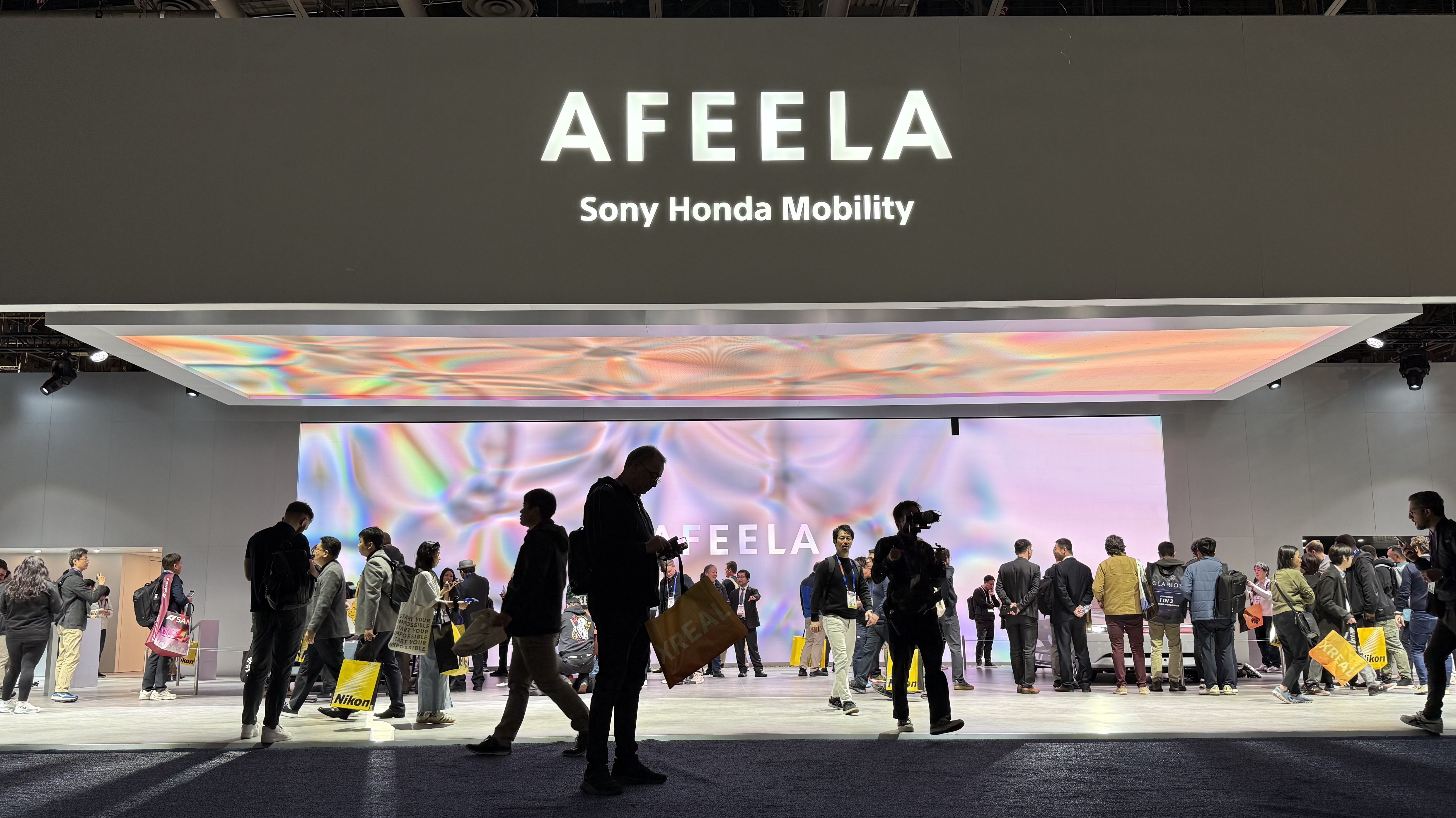
Sony Honda Mobility’s Afeela program is no longer moving forward, according to an Automotive News weekend roundup that cited the cancellation of the company’s electric vehicles as a major discussion point. Even in brief form, the reference is striking because Afeela was one of the more visible attempts to combine consumer electronics branding with automotive manufacturing ambition.
The project drew attention precisely because it paired two globally recognized Japanese companies and framed the result as more than just another electric sedan. Afeela was supposed to represent a software-heavy, entertainment-aware, next-generation vehicle effort built around the idea that mobility and digital experience were converging.
If that effort has indeed been canceled, the significance is larger than the fate of one badge. It underlines how difficult it remains to build a new car company, even with strong corporate parents and global name recognition.
Why Afeela Mattered
The Afeela program stood out because it arrived with unusual ingredients. Sony brought consumer technology credibility and a history of hardware, software, and entertainment ecosystems. Honda brought vehicle engineering, manufacturing depth, and automotive scale. On paper, that combination looked like a plausible shortcut through many of the obstacles that typically sink startup car projects.
But the EV market has become much less forgiving than the early hype cycle suggested. Launching a vehicle now means competing on manufacturing, supply chains, software, pricing, distribution, charging expectations, and brand trust all at once. It is not enough to have a concept that photographs well or a partnership that sounds strategic.
That is what makes Afeela’s apparent demise notable. If a Sony-Honda joint venture could not carry the program into the market, the barriers to entry are clearly still formidable.
The EV Market Has Hardened
The cancellation lands at a time when automakers and mobility ventures are facing a more demanding environment than the sector projected a few years ago. Consumers have become more price-sensitive, established manufacturers are fighting harder for share, and software-forward vehicle promises are now judged against real-world delivery rather than stage presentations.
For a new entrant, that means the margin for delay, strategic drift, or cost escalation is thin. Afeela was introduced into a market that already had no shortage of electric vehicles, but also no shortage of failed or delayed ambitions. Standing out is difficult. Scaling is harder. Making money is hardest of all.
The mere fact that Automotive News treated the cancellation as a headline topic in its weekend conversation suggests the industry sees the program’s collapse as consequential, not incidental.
A Warning for Future Partnerships
Corporate combinations are often presented as risk reducers. In theory, one partner brings technology, another brings production, and the market gets a better product faster. In practice, joint ventures can also add complexity, split accountability, and slow decision-making at exactly the moment a new vehicle business needs speed.
Afeela’s troubles, as implied by the cancellation reference, may become part of a broader lesson for future EV efforts: a high-concept partnership is not the same thing as a viable launch strategy. The market eventually asks harder questions about execution than about branding.
That matters well beyond Sony and Honda. Legacy automakers, tech companies, and new mobility ventures are still searching for the right formula to compete in electrified transportation. If one of the most recognizable collaborations in the space could not hold, investors and executives will look more skeptically at similarly ambitious tie-ups.
What Can Be Said With Confidence
The supplied source text is brief, and that limits the level of detail available about why the vehicles were canceled or exactly when the decision was finalized. Still, the core claim is clear in the candidate metadata and excerpt: Sony Honda Mobility’s Afeela electric vehicles were canceled, and the development was treated as a meaningful industry story.
That alone is enough to frame the larger takeaway. Building a compelling EV is one challenge. Building an entirely new EV brand that can survive real market conditions is another. Afeela appears to have run into that second problem, and its downfall is a reminder that even marquee collaborations do not get a free pass through the automotive business.
This article is based on reporting by Automotive News. Read the original article.
Originally published on autonews.com