AeroVironment 正在扩展“发射式效应”的使用方式
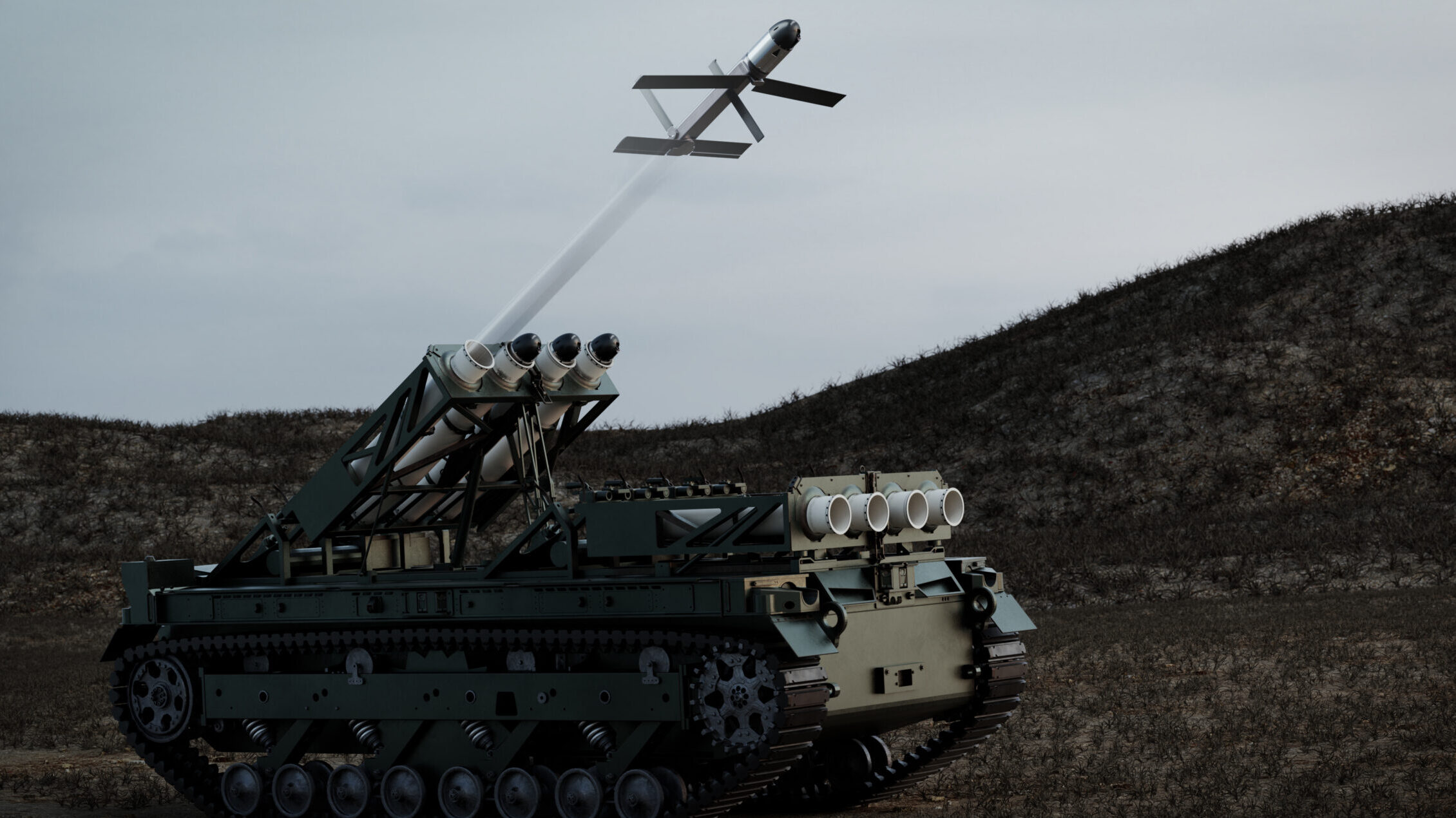
AeroVironment 推出了一系列名为 MAYHEM 的新型发射式效应系统,其中首款型号 MAYHEM 10 被定位为一个可用于致命和非致命任务的模块化平台。该系统在纳什维尔举行的美国陆军航空协会会议上公布,反映出防务技术领域的一个更广泛转变:发射式效应不再只是单向打击工具,而是能够在情报、电子战、通信和精确打击之间切换角色的可适应战场节点。
这种重新定位之所以重要,是因为它表明制造商正在回应快速变化冲突中的经验教训,尤其是当前对适应性的高度重视。候选原文中,AeroVironment 高管强调,该系统可支持情报、监视和侦察、电子战、精确打击以及通信中继。关键不只是单个平台能做很多事,而是任务配置能够足够快地变化,以跟上战场迭代的节奏。
MAYHEM 10 搭载 10 磅载荷,并被描述为可从空中、地面和海上平台发射。AeroVironment 表示,该系统的作战范围可达 100 公里,续航时间为 50 分钟。它的灵感来自公司的 Switchblade 400,后者被该公司称为其姊妹系统。公司还表示,这种飞行器采用与 Parry Labs 共同开发的开放式模块化架构,而协同攻击或集群功能则由 Applied Intuition 参与开发。
为什么模块化正成为主要卖点
这项发布中最重要的细节并不是载荷重量或航程,而是对开放接口和多任务载荷组合的强调。国防采购方越来越希望获得可以在生产后期重新配置、并能在前线根据需要调整的系统,而不是被锁定在单一任务轮廓中。AeroVironment 高管明确将这种需求与乌克兰-俄罗斯战争中硬件和软件变化速度的提升联系起来,在那场战争里,无人机与反无人机战术以很短的周期演化。
这让 MAYHEM 既具有工业意义,也具有战术意义。一个可以在生产线后期保持未定型状态的平台,能为制造商和军队压缩响应时间。与其把每项需求都当作独立采购流程,不如基于同一飞行器,在数天内更换任务组件。如果这种模式在实践中奏效,就可能缩短从软件更新或载荷更换到投入作战的路径。
公司还表示,该系统部分用途是作为反装甲武器,并且能够像其他产品一样装配标枪多用途战斗部。这使 MAYHEM 10 进入了一个越来越拥挤、但战略上重要的类别:相对小型的自主系统,旨在对机动或受保护目标实施更大批量的精确打击。在当前采购思路下,这一吸引力显而易见。军队希望用更可负担、可扩展的方式对抗装甲、防空系统和战场网络,而不必完全依赖更大、更昂贵的导弹。
集群能力仍需测试验证
围绕这一新系统,较具分量的说法之一涉及协同攻击,通常也被称为集群作战。AeroVironment 表示,这项能力的测试预计将在夏末进行,这意味着在这里提供的信息中,这一功能仍是计划中的能力,而非已经被证明的能力。这一区别很重要。集群作战是自主战争中最具市场吸引力的概念之一,但实际表现取决于通信韧性、任务分配、冲突消解、目标交接以及在电子攻击下的生存能力。
在测试结果公开之前,集群能力应被视为预期功能,而不是既成事实。即便如此,加入这一路线图本身就是一个信号,说明市场正在朝哪个方向发展。制造商试图销售的不只是单个一次性系统,而是能够跨域、跨任务类型协同运作的网络化效应。
MAYHEM 的设计语言也反映出无人机与滞空弹药行业内部的更大融合。传统上,侦察平台、攻击无人机、通信中继和电子战工具之间的界限正在被削弱。越来越有价值的系统,往往是那种能够携带不同载荷、快速切换角色,并接入更广泛数字生态的系统。
这次发布为何重要
- 它表明 AeroVironment 正在超越单一用途滞空弹药的身份定位。
- 它突出显示战场需求正转向可快速重构的系统。
- 它把开放式架构与作战节奏联系起来,而不仅仅是与采购灵活性联系起来。
- 它把集群能力放入近期开发路线图中,不过该能力仍有待测试。
MAYHEM 的发布本身并不能证明一种新标准已经到来。发布声明比实战表现容易得多,而模块化的说法只有在后勤、软件集成和载荷更换经受住作战压力时才真正有意义。但方向是清楚的。防务公司正试图打造一种发射式效应,让它更像灵活、由软件塑形的平台,而不是一次性弹药。
如果这种模式成功,可能会重塑武装力量对中程自主系统的理解。与其分别采购用于打击、侦察、中继和干扰的工具,不如倾向于采用具有可互换角色的通用平台。AeroVironment 正在押注,战场如今奖励的正是这种敏捷性。MAYHEM 的主张是:未来的发射式效应并不由单一任务定义,而是由它在不减速的情况下能承载多少任务定义。
本文基于 Breaking Defense 的报道。阅读原文。
Originally published on breakingdefense.com